In today’s world, where information flows freely and rapidly through various channels, media literacy has become an essential skill for individuals and communities alike.
As we navigate the complexities of modern communication, cultivating a deeper understanding of how media shapes our perceptions can lead to a more informed and engaged society.
This journey toward media literacy is not just about deciphering facts from fiction; it’s about fostering critical thinking and encouraging meaningful conversations that enrich our communities.
Understanding media literacy begins with recognizing the diverse forms of media that surround us. From traditional newspapers and magazines to social media platforms and podcasts, the sources of information we encounter daily are vast and varied. Each medium has its own set of conventions, biases, and potential pitfalls. By developing a keen awareness of these differences, we equip ourselves to approach information with a more discerning eye. This awareness can transform our consumption habits, allowing us to sift through the noise and focus on credible sources.
A small shift toward balance in our media consumption can yield significant benefits. Instead of relying solely on familiar news outlets or social media feeds, consider diversifying your sources of information. Explore new perspectives by engaging with publications that challenge your viewpoints. This practice not only broadens your understanding but also fosters empathy and respect for differing opinions. In a world increasingly divided by ideology, embracing a variety of perspectives can be a powerful antidote to polarization.
As we delve deeper into the world of media, it’s essential to recognize the impact of algorithms on our information landscape. Many social media platforms curate content based on our previous interactions, often creating echo chambers that reinforce our beliefs. By being mindful of how algorithms influence our news feeds, we can take proactive steps to seek out diverse viewpoints. Engaging with content that pushes us out of our comfort zones can lead to richer discussions and a more nuanced understanding of complex issues.
Developing critical thinking skills is another cornerstone of media literacy. When we encounter information, it’s important to ask questions: Who is behind this message? What is the purpose of the content? Are there any biases present? By approaching information with a curious mindset, we become active participants in our media consumption rather than passive recipients. This critical engagement helps us discern credible information from misinformation, empowering us to make informed decisions in our daily lives.
In our quest for media literacy, we should also consider the role of storytelling. Stories have the power to connect us, to evoke emotions, and to inspire action. However, not all stories are created equal. Understanding the techniques used in storytelling—whether in news articles, advertisements, or social media posts—can help us identify the underlying messages and motivations. By honing our ability to analyze narratives, we can better appreciate the complexities of the information we consume and the values it promotes.
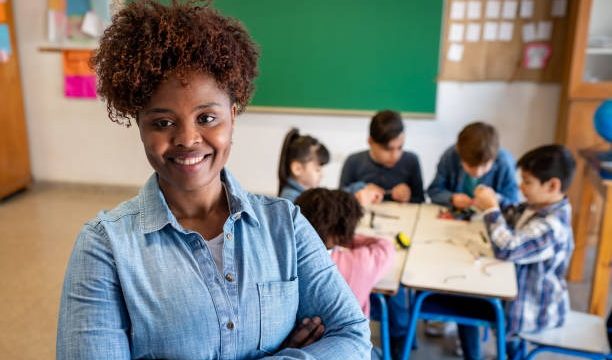
Creating a culture of media literacy within our communities is a shared responsibility. Schools, libraries, and community organizations can play a pivotal role in fostering this culture. Workshops, discussions, and informational sessions can equip individuals with the tools they need to navigate the media landscape effectively. By prioritizing media literacy education, we empower future generations to become critical thinkers who can engage with information responsibly and thoughtfully.
In addition to formal education, informal conversations among friends and family can also cultivate media literacy. Discussing current events, sharing articles, and debating different viewpoints can create a supportive environment for learning. These discussions not only enhance our understanding but also reinforce the idea that it’s okay to question and explore different perspectives. By creating safe spaces for dialogue, we strengthen our community bonds and promote a culture of inquiry.
As we embrace the journey toward media literacy, we must also recognize the importance of self-care in our information consumption. The constant barrage of news can be overwhelming, leading to anxiety and burnout. Taking breaks from media, setting boundaries around our consumption, and curating our feeds mindfully can help maintain our mental well-being. Engaging with media should be a source of empowerment and enlightenment, not stress and confusion. By prioritizing our mental health, we create a more sustainable relationship with the information we consume.
The importance of media literacy extends beyond individual well-being; it has far-reaching implications for our communities and society as a whole. An informed community is better equipped to address challenges, engage in civic discussions, and advocate for positive change. When individuals possess the skills to critically analyze information, they contribute to a more vibrant and active democracy. By fostering a culture of media literacy, we not only enhance our own lives but also uplift those around us.
In conclusion, media literacy is a vital skill for navigating the complexities of our information-saturated world. By embracing diverse perspectives, developing critical thinking abilities, and fostering open dialogue, we can create a more informed community. As we embark on this journey, let us remember the power we hold as individuals to shape our media landscape. Together, we can cultivate a culture of inquiry, empathy, and understanding, paving the way for a brighter, more connected future. By prioritizing media literacy, we take an important step toward building a community that thrives on knowledge and respect for one another.