In a world overflowing with information, the ability to discern what is true and relevant has become increasingly essential.
Media literacy, the skill of critically analyzing media messages and understanding their impact, plays a crucial role in how we navigate social issues.
By honing this skill, we can develop a deeper understanding of the complexities surrounding topics that affect our lives and communities.
The importance of media literacy cannot be overstated. It empowers us to question the narratives presented to us, fostering a more informed and engaged citizenry. In an age where misinformation can spread like wildfire, being media literate allows us to sift through the noise and focus on what truly matters. It invites us to engage with diverse perspectives, ultimately enriching our understanding of social issues.
A small shift toward balance
To cultivate media literacy, we must first recognize the various forms of media that shape our perceptions. News outlets, social media platforms, podcasts, and blogs all contribute to the information landscape. Each medium carries its own biases and agendas, often reflecting the values and beliefs of its creators. By approaching media consumption with a critical eye, we can begin to identify these biases and better understand the underlying motivations at play.
Engaging with a wide range of sources is an effective way to expand our perspectives. Instead of solely relying on familiar news outlets, we can explore alternative viewpoints and lesser-known publications. This practice not only broadens our understanding but also encourages empathy. When we expose ourselves to diverse narratives, we foster a more nuanced view of social issues, recognizing that there is rarely a single story that captures the full truth.
A gentle exploration of empathy
Empathy is a vital component of media literacy. As we delve into various narratives, we must strive to connect with the human experiences behind the headlines. Social issues are often deeply personal, affecting real lives and communities. By approaching these topics with compassion, we can move beyond mere statistics and engage with the emotions that drive these stories.
Consider, for instance, the ongoing discussions surrounding climate change. While data and facts are important, understanding the lived experiences of those directly impacted can evoke a more profound response. By listening to voices from vulnerable communities, we can grasp the urgency of the situation in a way that transcends numbers. This empathetic engagement can inspire us to take action, whether through advocacy, education, or lifestyle changes.
Navigating the digital landscape
The digital age has transformed how we consume information, often blurring the lines between fact and fiction. Social media, in particular, can amplify misinformation, making it challenging to discern credible sources. To navigate this landscape, we can adopt a few simple strategies.
First, it’s essential to verify the information we encounter. Fact-checking websites and reputable sources can help us confirm the validity of claims before sharing them. Additionally, we can look for the original source of information. Understanding the context in which a statement was made can inform our interpretation and prevent the spread of misleading narratives.
Moreover, cultivating a healthy skepticism can serve us well in this digital era. While it’s important to remain open-minded, we should also question the motives behind the media we consume. Who benefits from a particular narrative? What interests are at play? By asking these questions, we can better navigate the complexities of social issues and avoid falling into the trap of misinformation.
Creating a dialogue
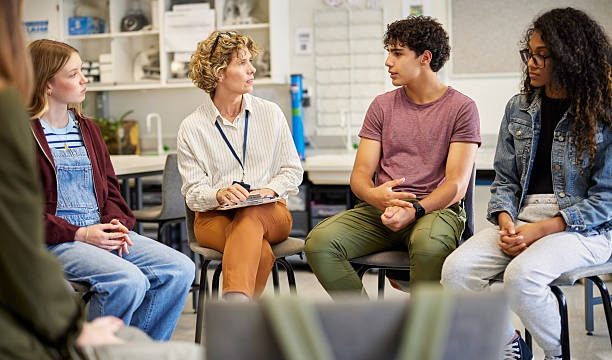
Media literacy is not just an individual pursuit; it can also foster community engagement. By sharing insights and discussing social issues with friends, family, and colleagues, we can create a culture of critical thinking. These conversations can be a platform for exploring different viewpoints, challenging assumptions, and deepening our understanding.
In our discussions, it’s important to foster an environment of respect and openness. Engaging with differing opinions can be uncomfortable, but it is essential for growth. By actively listening and seeking to understand, we can create a space where everyone feels valued and heard. This collective exploration can lead to more informed perspectives and potentially inspire collaborative efforts to address social issues.
The journey of continuous learning
Media literacy is a lifelong journey. As societal issues evolve, so too must our understanding of them. Embracing a mindset of continuous learning can be incredibly rewarding. We can stay informed by following current events, attending workshops, or participating in community discussions. Each step we take to enhance our media literacy contributes to a more informed society.
Moreover, sharing our knowledge with others can have a ripple effect. Encouraging friends and family to engage critically with media can empower them to think independently and approach social issues with greater awareness. In this way, we can collectively cultivate a more informed community.
Finding balance in our consumption
As we navigate the complexities of media, it’s also essential to find balance. Consuming news and engaging with social issues can be overwhelming, especially when faced with a constant stream of information. Taking regular breaks from media consumption allows us to recharge and reflect on the information we’ve absorbed. This pause can help us process our thoughts and emotions, enabling us to approach social issues with a clearer mind.
Incorporating mindfulness practices into our daily routines can also enhance our media literacy. By cultivating awareness, we can better understand our reactions to different narratives and discern when we may be influenced by biases or emotions. This self-awareness is a valuable tool in our journey toward understanding social issues more deeply.
In conclusion, media literacy is a powerful ally in our quest to understand social issues. By approaching media with a critical eye, fostering empathy, engaging in dialogue, and committing to continuous learning, we can navigate the complexities of our information landscape. This journey not only enriches our understanding but also empowers us to contribute positively to our communities. As we embrace these practices, we cultivate a more informed, compassionate society that is better equipped to address the challenges we face.