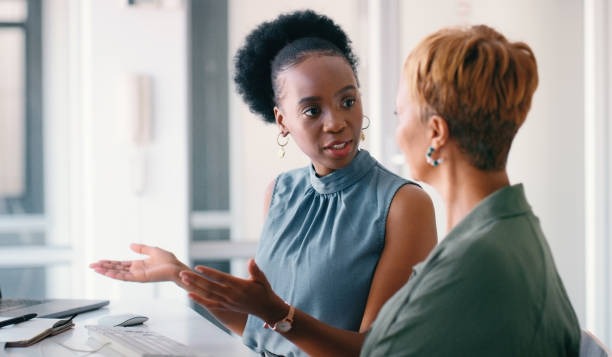
In our fast-paced world, the ability to negotiate effectively is more essential than ever.
Whether you’re navigating a business deal, discussing family plans, or simply trying to get your point across in a conversation, strong communication habits can significantly enhance the outcomes of your negotiations.
By fostering a few simple yet impactful practices, you can create a more collaborative atmosphere that encourages understanding and agreement.
The essence of effective negotiation lies in the art of listening. When we think of communication, we often focus on what we want to say and how we want to convey our message. However, taking a step back to genuinely listen can transform the dynamics of any discussion. Listening isn’t just about hearing words; it’s about understanding the underlying emotions, intentions, and needs of the other party. When you actively listen, you send a powerful message that you value the other person’s perspective. This not only builds rapport but also opens up the possibility for creative solutions that may not have been apparent at first.
Incorporating empathy into your communication habits can also yield remarkable results. Empathy allows you to connect with others on a deeper level, creating an environment where everyone feels heard and respected. By trying to understand the other person’s feelings and viewpoints, you can tailor your responses to address their concerns. This approach fosters trust and encourages more open dialogue, making it easier to navigate through challenging discussions. When both parties feel understood, the negotiation process becomes less adversarial and more collaborative.
A small shift toward balance can make a significant difference in how negotiations unfold. Striking a balance between assertiveness and flexibility is key. While it’s important to express your needs and desires clearly, being too rigid can hinder progress. Instead, aim to communicate your position confidently while remaining open to alternative solutions. This balance allows you to advocate for your interests while also considering the needs of the other party. When both sides feel their concerns are acknowledged, it paves the way for a more fruitful negotiation.
Another vital aspect of effective communication in negotiations is clarity. Ambiguity can lead to misunderstandings, which can derail even the most promising discussions. When articulating your points, strive for clarity in your language. Avoid jargon or overly complex terminology that may confuse the other party. Present your ideas in a straightforward manner, and don’t hesitate to ask for clarification if something isn’t clear on their end. This commitment to transparency not only minimizes potential conflicts but also fosters an atmosphere of trust.
Creating a safe space for dialogue is essential in any negotiation. This involves cultivating an environment where all parties feel comfortable expressing their thoughts without fear of judgment or backlash. Encouraging open communication can be as simple as inviting others to share their opinions and acknowledging their contributions. When people feel secure, they are more likely to engage authentically, which can lead to richer conversations and more effective negotiations.
In addition to fostering a safe space, being aware of non-verbal communication can enhance your negotiation skills. Body language, eye contact, and tone of voice play a significant role in how messages are received. Being conscious of your non-verbal cues can help you convey confidence and openness. Similarly, paying attention to the other person’s body language can provide valuable insights into their feelings and reactions. This awareness can inform your responses and help you navigate the conversation more effectively.
Practicing patience is another communication habit that supports better negotiations. In a world where we often expect immediate results, taking a step back to allow time for reflection can be incredibly beneficial. Rushing to reach an agreement can lead to oversights and dissatisfaction. By giving yourself and the other party the space to think things over, you may uncover new perspectives that could lead to a more satisfactory resolution. Patience allows for deeper consideration of the issues at hand, ultimately contributing to more thoughtful, well-rounded decisions.
In the realm of negotiation, maintaining a positive mindset can have a profound impact on the outcome. Approaching discussions with optimism and a collaborative spirit can help set the tone for the entire negotiation. Rather than viewing the other party as an adversary, try to see them as a partner in finding a solution. This mindset shift can help reduce tension and create a more constructive atmosphere. When both parties are focused on achieving a win-win outcome, negotiations can become more enjoyable and productive.
Finally, reflecting on past negotiations can provide valuable lessons for future interactions. Taking the time to evaluate what worked well and what didn’t can help you refine your communication habits. Consider keeping a journal of your negotiation experiences, noting your feelings, strategies, and outcomes. This practice encourages self-awareness and can illuminate patterns that may need adjustment. By learning from your experiences, you can continuously improve your skills and approach.
As you cultivate these communication habits, remember that negotiation is a journey, not a destination. Each conversation offers an opportunity for growth, understanding, and connection. By prioritizing listening, empathy, clarity, and patience, you can foster an environment that supports meaningful dialogue. Embrace the process, and watch as your negotiations transform into collaborative and fulfilling exchanges. With each step you take toward enhancing your communication skills, you’ll not only improve your negotiation outcomes but also enrich your relationships and interactions in all areas of life.