In a world that often feels fast-paced and disconnected, the importance of kindness and empathy cannot be overstated.
These qualities form the backbone of our relationships, our communities, and ultimately, our society.
One of the most powerful avenues through which we can cultivate these traits is arts education. By engaging with various forms of art, students not only express themselves creatively but also learn to understand and connect with others on a deeper level.
The beauty of arts education lies in its ability to transcend barriers. Whether it’s through music, visual arts, drama, or dance, students are invited into a space where feelings and experiences can be shared without the constraints of words. This exploration fosters a sense of belonging and understanding, allowing students to step into the shoes of others. When a child creates a piece of art inspired by a story of struggle, they begin to grasp the complexities of human emotions. This engagement nurtures empathy, enabling them to appreciate the diverse narratives that shape our world.
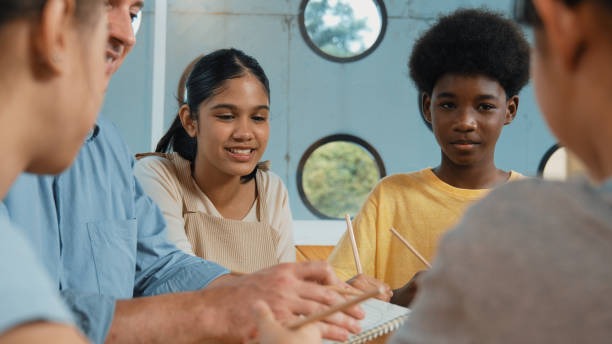
Art serves as a universal language, one that speaks to our shared human experience. In classrooms where arts education is prioritized, students engage in collaborative projects that require them to listen, share, and compromise. Imagine a group of students working together to create a mural that reflects their community’s history. As they discuss colors, symbols, and themes, they learn to value each other’s perspectives. This collaborative spirit encourages kindness, as students become more mindful of how their words and actions affect their peers.
The process of creating art also provides a safe space for emotional expression. Many students find it challenging to articulate their feelings verbally, but through painting, dancing, or acting, they can channel their emotions into something tangible. This emotional release not only benefits the individual artist but can also resonate with others. When a student performs a heartfelt monologue or shares a poignant painting, it invites the audience to connect with those emotions, fostering an atmosphere of empathy. They experience the artist’s journey, which can spark conversations about shared feelings and experiences.
In addition to fostering empathy, arts education cultivates kindness through the practice of giving and receiving feedback. In art classes, students often critique each other’s work, learning to express their thoughts gently and constructively. They discover that feedback is not merely about pointing out flaws but about encouraging growth and improvement. This delicate dance of critique fosters a culture of kindness, where students learn to appreciate each other’s efforts and support one another’s artistic journeys.
The role of storytelling in the arts cannot be overlooked. Through literature, theater, and film, students encounter characters from various backgrounds and walks of life. These narratives expand their horizons, helping them understand the struggles and triumphs of others. When students read a novel that tackles themes of injustice or resilience, they are invited to reflect on their own lives and the lives of those around them. This reflection nurtures a sense of compassion, as they begin to recognize the shared threads of humanity that connect us all.
Moreover, arts education often involves community engagement, which further reinforces kindness and empathy. Schools that encourage students to participate in community art projects or performances help them forge connections with people outside their immediate circles. This interaction with diverse groups fosters a sense of responsibility and understanding. Students learn that their art can have a profound impact on others, which encourages them to use their creativity as a tool for positive change.
In the realm of arts education, failure is also an integral part of the learning process. When students attempt to create something and it doesn’t turn out as planned, they learn resilience. This experience teaches them that it’s okay to make mistakes and that growth often comes from these very moments. As they navigate their artistic challenges, they develop a kindness toward themselves and others who are also learning and growing. This understanding nurtures a supportive environment where students feel safe to take risks and express themselves freely.
The benefits of arts education extend beyond the classroom, influencing students’ interactions in their daily lives. As they practice empathy and kindness in their artistic endeavors, these qualities naturally spill over into their relationships with friends, family, and even strangers. The skills they acquire in art classes—active listening, respectful communication, and emotional intelligence—become invaluable tools for navigating the complexities of life.
Ultimately, arts education serves as a gentle reminder of our shared humanity. It encourages students to look beyond themselves, to appreciate the beauty in diversity, and to cultivate kindness in their interactions. As we nurture the next generation of artists, performers, and creators, we also foster a generation that values empathy and compassion.
In a society that often feels divided, the lessons learned through arts education can bridge gaps and build connections. By encouraging kindness and empathy, we empower students to not only embrace their creativity but to also become advocates for understanding and acceptance. Arts education is more than just a subject; it is a vital pathway to a more compassionate world. As we support and invest in arts education, we are, in essence, investing in a kinder future for all.