Inspiring Ideas for Hands-On Student Work
In today’s educational landscape, hands-on learning has emerged as a powerful tool for engaging students and enhancing their understanding of complex concepts.
While traditional teaching methods have their place, the tactile experience of hands-on projects can ignite curiosity and foster deeper connections to the material.
Whether you’re a teacher looking to invigorate your classroom or a parent seeking enriching activities for your child, there are countless opportunities to inspire creative and meaningful work.
Creating a connection with the environment
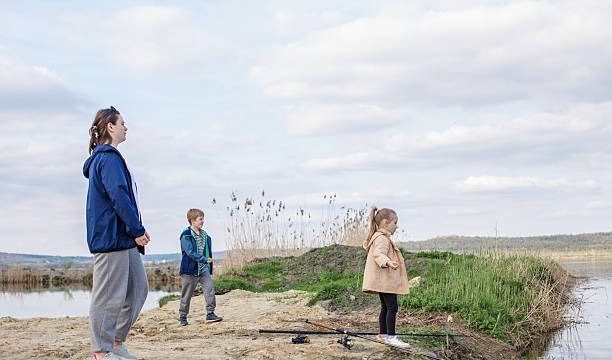
One of the most enriching ways to engage students is through nature-based projects. The great outdoors offers a canvas for exploration and creativity, inviting students to immerse themselves in the beauty of their surroundings. Consider organizing a local nature walk, where students can collect leaves, flowers, or interesting stones. Back in the classroom, these treasures can be transformed into art projects or used in science experiments, like creating a mini-ecosystem in a jar. This hands-on work not only nurtures a love for nature but also teaches valuable lessons about ecology and conservation.
Another wonderful idea is to start a garden project. Whether it’s a small herb garden in pots or a larger vegetable garden, students can learn about plant life cycles, responsibility, and the joy of nurturing something from seed to harvest. The act of digging in the soil, planting seeds, and watching them grow can be incredibly rewarding. Plus, there’s a great opportunity to incorporate lessons on nutrition and cooking, as students can enjoy the fruits of their labor in delicious, healthy meals.
Exploring the world of art
Art projects can be a fantastic avenue for hands-on learning, allowing students to express themselves creatively while developing fine motor skills. One inspiring idea is to introduce a collaborative mural project. Students can brainstorm themes that resonate with their community or personal experiences, sketch their ideas, and then work together to paint a large mural. This not only fosters teamwork but also creates a sense of pride and ownership in their work.
Another engaging art project could involve recycled materials. Encourage students to bring in items like cardboard, plastic bottles, or old magazines to create sculptures or mixed-media art. This not only sparks creativity but also instills a sense of responsibility towards the environment. Discussions about sustainability can naturally arise, providing an opportunity to explore the impact of waste on our planet.
The magic of storytelling
Storytelling is a timeless method of communication that can be transformed into a hands-on experience. Students can create their own storybooks, complete with illustrations and personal narratives. This project can be enhanced by incorporating elements of theater; students could act out their stories, using costumes and props that they create themselves. This approach not only boosts literacy skills but also encourages confidence in self-expression.
For those interested in technology, consider having students create digital stories. Using simple video editing software, they can combine images, narration, and music to tell their tales. This project merges creativity with digital literacy, preparing students for a world where technology and storytelling intersect more than ever.
Building bridges through science
Science is a subject ripe for hands-on exploration. Simple experiments can lead to profound discoveries. One delightful experiment involves creating a homemade volcano using baking soda and vinegar. This classic project not only sparks excitement but also teaches students about chemical reactions in a memorable way.
Another intriguing hands-on project is building bridges. Using materials like popsicle sticks or straws, students can design and construct their own bridges, testing them for strength and stability. This exercise combines engineering principles with creativity, allowing students to experiment with design while learning about physics in a fun, interactive way.
Cultivating community connections
Hands-on projects can also extend beyond the classroom, connecting students with their communities. Organizing a service project can be a meaningful way for students to apply their skills while giving back. Whether it’s a community clean-up, creating care packages for those in need, or volunteering at a local shelter, these experiences can profoundly impact students’ perspectives and instill a sense of empathy.
Additionally, consider inviting local artisans or professionals to lead workshops. This not only enriches the learning experience but also allows students to see real-world applications of their skills. Whether it’s a cooking class with a chef or a woodworking session with a craftsman, these interactions can inspire students and ignite passions they didn’t know they had.
Encouraging inquiry and exploration
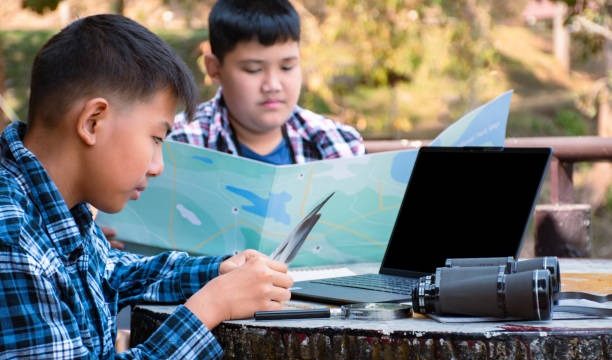
At the heart of hands-on learning is the spirit of inquiry. Encourage students to ask questions and explore their interests through research projects. Allow them the freedom to choose a topic that fascinates them, and guide them in creating a hands-on project that brings their findings to life. This could be anything from building a model of a historical site to conducting experiments related to their research. Empowering students to take charge of their learning journey fosters independence and cultivates a lifelong love of learning.
As students engage in hands-on projects, it’s essential to create a supportive environment where mistakes are viewed as opportunities for growth. Encourage reflection on their experiences, allowing students to share what they learned and how they overcame challenges. This practice not only reinforces the learning process but also builds resilience and confidence.
In conclusion, hands-on student work opens a world of possibilities for creativity, exploration, and connection. By incorporating nature, art, storytelling, science, community engagement, and inquiry-based projects, educators and parents can inspire students to embrace their learning journeys with enthusiasm. The tactile experiences foster a deeper understanding of the material while nurturing skills that extend far beyond the classroom. As we cultivate these enriching opportunities, we empower the next generation to become curious, compassionate, and innovative thinkers.