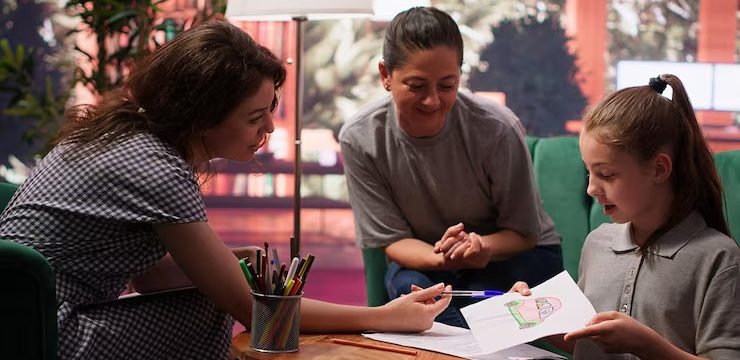
In the vibrant world of bilingual classrooms, teaching grammar can sometimes feel like navigating a labyrinth.
The beauty of these diverse environments lies in the rich tapestry of languages and cultures, yet they also present unique challenges for educators.
Finding effective strategies to teach grammar in such settings can foster not only language proficiency but also a deeper appreciation for linguistic diversity. Here, we explore some gentle, thoughtful approaches to make grammar instruction both engaging and meaningful.
Creating a Welcoming Atmosphere
One of the most vital elements of teaching grammar in bilingual classrooms is establishing a warm, inviting atmosphere. When students feel comfortable and supported, they are more likely to take risks with language and grammar. This can be achieved by fostering a community where every language is valued. Celebrating linguistic diversity through classroom decorations, multilingual signs, or even language days can encourage students to embrace their backgrounds while learning the new language.
Encouraging Peer Interaction
In bilingual classrooms, peer interaction can be a powerful tool for teaching grammar. Students often learn best from one another, and working collaboratively can enhance their understanding. Encourage group activities where students can pair up and share their knowledge. For instance, they might work together to create sentences using specific grammar rules or engage in role-playing scenarios that require the use of particular structures. This not only builds their grammar skills but also strengthens their social connections, making the learning experience more enjoyable.
Integrating Contextual Learning
Teaching grammar in isolation can sometimes lead to frustration and disconnection from real-world usage. Instead, consider integrating grammar instruction into contextual learning experiences. For example, when exploring a cultural topic, you can introduce grammar points relevant to that theme. If students are studying a particular holiday, use related vocabulary and structures to create sentences or short stories. This approach not only reinforces grammar but also helps students see its relevance in their everyday lives.
Embracing the Power of Storytelling
Storytelling is a timeless method that transcends language barriers. Incorporating storytelling into grammar lessons can be a delightful way to engage bilingual students. You might start by sharing a story and then analyze its grammatical components together. Students can also create their own stories, allowing them to experiment with different grammatical structures. This creative process encourages them to think critically about language while fostering their imagination.
Utilizing Visual Aids
Visual aids can be particularly effective in bilingual classrooms, where students may benefit from additional context. Charts, pictures, and videos can help clarify complex grammar rules and make abstract concepts more tangible. For example, using images to illustrate different verb tenses can provide visual context that enhances understanding. Additionally, incorporating technology, such as educational apps that focus on grammar, can make learning more interactive and enjoyable.
Connecting with Students’ Experiences
Recognizing and honoring students’ personal experiences can be a powerful way to teach grammar. When students see their own lives reflected in the lessons, they are more likely to engage with the material. Encourage students to share their stories, using specific grammar structures to recount their experiences. This not only allows for practical application of grammar but also builds a sense of community and belonging in the classroom.
Adapting to Different Learning Styles
Every student has a unique way of learning, and in a bilingual classroom, this diversity can be even more pronounced. It’s essential to adapt your teaching strategies to accommodate different learning styles. Some students may thrive with hands-on activities, while others might prefer auditory learning or visual aids. By offering a range of activities that cater to various preferences, you can create a more inclusive environment that supports all students in grasping grammar concepts.
Fostering a Growth Mindset
Instilling a growth mindset in students can transform their approach to learning grammar. Encourage them to view challenges as opportunities for growth rather than obstacles. Celebrate their efforts, regardless of the outcome, and remind them that making mistakes is a natural part of the learning process. By creating a culture that values perseverance and resilience, students will feel more empowered to tackle grammatical challenges and embrace their language journey.
Incorporating Real-Life Applications
Grammar instruction can become more meaningful when students understand how to apply it in real-life situations. Integrating practical applications, such as writing letters, creating advertisements, or preparing presentations, can help students see the value of grammar in their daily lives. Encourage them to think about how proper grammar affects communication in various contexts, whether in school, at home, or in the community. This understanding can motivate them to engage more deeply with the material.
Reflecting on Progress Together
Regular reflection can be a valuable practice in bilingual classrooms. Set aside time for students to assess their own progress in grammar and language skills. This could involve journaling about their experiences, discussing challenges they’ve faced, or sharing successes with peers. By reflecting on their growth, students gain insight into their learning processes and can set personal goals for improvement moving forward.
Emphasizing Collaborative Learning
Collaboration is a cornerstone of effective teaching in bilingual classrooms. Encourage students to work together on grammar exercises, fostering a sense of teamwork and camaraderie. Group projects can allow them to explore grammar in a more dynamic way, as they brainstorm ideas and support each other in the learning process. This collaborative spirit not only enhances their understanding of grammar but also builds essential social skills.
In conclusion, teaching grammar in bilingual classrooms is a rewarding yet challenging endeavor. By creating a welcoming atmosphere, embracing storytelling, utilizing visual aids, and fostering collaboration, educators can make grammar instruction a meaningful and enjoyable experience. Each student brings their unique linguistic background to the classroom, and by celebrating this diversity, we can nurture a love for language that transcends grammatical rules. With a thoughtful approach, we can guide students on their language journey, helping them develop the skills they need to thrive in a multicultural world.