In our increasingly interconnected world, bilingualism is more than just a skill; it’s a bridge to understanding diverse cultures and perspectives.
As classrooms embrace this dual-language approach, the role of creativity becomes paramount.
Creativity not only enhances the learning experience but also fosters a nurturing environment where students thrive.
Imagine a classroom where children are encouraged to express themselves freely, where the walls are adorned with vibrant artwork that tells stories in two languages. This is the essence of a bilingual classroom—a space where language is not merely a tool for communication but a canvas for creativity. Here, every child is an artist, a storyteller, and a thinker, weaving their cultural identities into the fabric of their education.
The beauty of a bilingual classroom lies in its ability to transcend traditional teaching methods. Language acquisition becomes a dynamic process, one that thrives on exploration and innovation. When students engage with new vocabulary through art, music, or drama, they create deeper connections with the language. For instance, a lesson on weather can transform into an exciting project where students create a weather report in both languages. They might draw illustrations or compose a catchy song, blending linguistic skills with imaginative expression.
A small shift toward balance is often needed in the way we perceive language learning. Instead of viewing it as a rote memorization of words and grammar rules, embracing creativity allows students to see language as a living, breathing entity. This perspective encourages them to play with words, experiment with sounds, and even invent their own phrases. Such playful engagement fosters a love for language that can last a lifetime.
Incorporating creativity into bilingual education also nurtures emotional intelligence. When students share their personal stories or cultural traditions, they learn to appreciate the richness of their classmates’ backgrounds. This exchange cultivates empathy and understanding, essential components of a harmonious classroom environment. When children see their own experiences reflected in their peers’ narratives, they build connections that go beyond language, creating a sense of community that is vital for collaborative learning.
Moreover, creative activities encourage critical thinking and problem-solving. A bilingual classroom that integrates creative projects allows students to approach challenges from various angles. For example, during a group project, students may need to negotiate roles, brainstorm ideas, and make decisions as a team. This collaborative effort not only enhances their language skills but also equips them with essential life skills that will serve them well beyond the classroom walls.
The role of the teacher in this creative bilingual landscape cannot be understated. Educators become facilitators of exploration, guiding students as they navigate their linguistic journeys. A teacher who embraces creativity will often encourage students to take risks, to make mistakes, and to learn from them. This supportive atmosphere fosters resilience, as students learn that errors are simply stepping stones toward mastery.
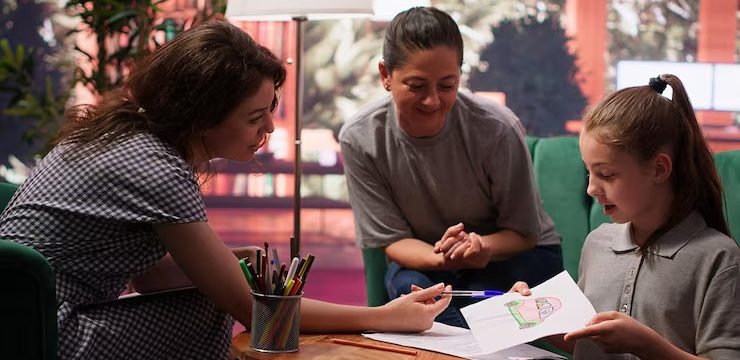
In practice, this might look like a teacher inviting students to create a bilingual storybook. Each student can contribute a page, illustrating their favorite memories or dreams in both languages. As they collaborate, they share not just their language skills but also their unique perspectives, enriching the project with a tapestry of ideas and experiences.
Creating a multilingual environment also means celebrating cultural diversity through creative expression. Art, music, and storytelling can serve as powerful tools for students to connect with their heritage while learning about others. A classroom that hosts cultural days, where students showcase their traditions through performances or art displays, becomes a vibrant hub of learning and sharing. Such initiatives instill pride in one’s identity, reinforcing the idea that every culture has something valuable to contribute.
As we explore the importance of creativity in bilingual classrooms, it is essential to recognize the impact on cognitive development. Engaging with multiple languages stimulates the brain, enhancing cognitive flexibility and problem-solving abilities. Children learn to switch between languages, fostering adaptability and sharp thinking. This mental agility is not just beneficial for language acquisition but also translates to improved performance in other academic areas.
The journey of cultivating creativity in bilingual classrooms is not without its challenges. Teachers may face constraints such as standardized testing or rigid curricula that do not allow for creative exploration. However, by integrating creative practices into existing frameworks, educators can create a more enriching learning experience. Small changes, such as incorporating storytelling or art into language lessons, can make a significant difference.
Parents and caregivers also play a crucial role in this creative journey. Encouraging children to engage with both languages at home through books, music, and conversations can reinforce what they learn in school. When families celebrate bilingualism as a gift, children feel empowered to explore their linguistic capabilities, further enriching their educational experience.
In conclusion, the role of creativity in bilingual classrooms is a vibrant tapestry woven from the threads of language, culture, and personal expression. It transforms the learning experience into a joyous adventure, where students are not just passive recipients of knowledge but active participants in their education. As we nurture creativity in these environments, we prepare young minds to embrace the world with open hearts and curious spirits, ready to connect with others across cultures and languages.
In a world that often feels divided, bilingual classrooms stand as a testament to the beauty of diversity and the power of creativity. By fostering an environment where students can explore, express, and connect, we lay the foundation for a future filled with understanding and compassion.