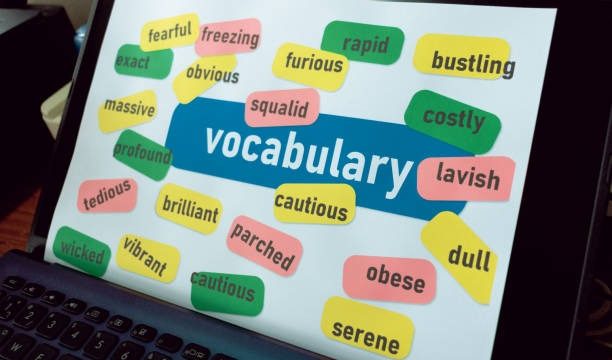
In the fast-paced world we live in, honing our writing skills is more important than ever.
Whether we are crafting an email to a colleague, jotting down thoughts in a journal, or sharing ideas on social media, the ability to communicate effectively through writing can significantly enhance our personal and professional lives.
Writing is not just about putting words on paper; it’s a powerful tool that can help us connect, inspire, and express ourselves in meaningful ways.
The art of writing starts with clarity. When we write clearly, we make it easier for others to understand our thoughts and intentions. This clarity is particularly crucial in a work environment where miscommunication can lead to misunderstandings and mistakes. By focusing on clarity, we express our ideas in a straightforward manner. This involves choosing the right words, structuring sentences logically, and avoiding jargon that may confuse the reader. The more transparent our writing is, the more effectively we can convey our messages, leading to smoother interactions and collaborations.
Another essential aspect of writing is the ability to adapt our tone and style to suit different audiences. In professional settings, a formal tone may be appropriate when communicating with superiors or clients. Conversely, a more relaxed tone might resonate better with colleagues or friends. Being able to adjust our writing style according to the context demonstrates emotional intelligence and enhances our ability to connect with others. This adaptability not only improves our writing but also fosters stronger relationships in both our personal and professional lives.
Empathy plays a significant role in effective writing. When we write with empathy, we consider the perspectives and feelings of our readers. This means being mindful of how our words might impact them. In the workplace, this could involve crafting a thoughtful response to feedback or showing understanding in a challenging situation. Writing with empathy helps build trust and rapport, making it easier for others to engage with our ideas. In our personal lives, empathetic writing can deepen our connections with friends and family, allowing us to communicate our feelings and support one another more effectively.
Storytelling is another powerful writing skill that can enhance both our work and personal lives. Everyone enjoys a good story, whether it’s a captivating presentation at work or a heartfelt message to a friend. When we incorporate storytelling into our writing, we engage our readers on a deeper level. A well-told story has the ability to inspire, motivate, and evoke emotions, making our messages more memorable. In a professional context, storytelling can be a persuasive tool, helping us to present ideas in a way that resonates with our audience. In our personal lives, sharing stories can foster connections and create lasting memories.
The practice of writing regularly can also lead to greater self-awareness and reflection. Journaling, for instance, allows us to explore our thoughts, feelings, and experiences in a safe space. This self-reflection can provide valuable insights into our motivations and desires, helping us navigate our personal and professional journeys with greater intention. Moreover, the act of writing can serve as a therapeutic outlet, providing clarity during challenging times. By taking the time to put our thoughts into words, we can better understand ourselves and the world around us.
Good writing also requires patience and perseverance. It’s important to recognize that writing is a skill that can be developed over time. Embracing the learning process means allowing ourselves the freedom to make mistakes and learn from them. Whether we are drafting an important report or composing a casual email, we should strive for progress rather than perfection. This mindset not only alleviates the pressure we place on ourselves but also encourages creativity and exploration in our writing.
As we cultivate our writing skills, it’s beneficial to seek feedback from others. Constructive criticism can provide us with new perspectives and help us identify areas for improvement. Sharing our work with trusted friends or colleagues can foster a sense of community and support, encouraging us to grow as writers. It’s essential to approach feedback with an open mind, recognizing that it is an opportunity for development rather than a judgment of our abilities.
The digital age has transformed how we communicate, making writing a more accessible skill than ever. From emails to social media posts, our words can reach a global audience in an instant. This increased connectivity offers a unique opportunity to express our ideas and connect with others in ways we may not have thought possible. However, it also comes with the responsibility to communicate thoughtfully and respectfully. By being mindful of our online presence and the impact of our words, we can contribute positively to the digital landscape.
Incorporating writing into our daily routines can enhance our overall well-being. Whether it’s through journaling, blogging, or simply jotting down thoughts, engaging with writing can foster mindfulness and creativity. Taking a few moments each day to reflect on our experiences or express gratitude can promote a sense of balance and fulfillment. This practice not only sharpens our writing skills but also enriches our lives by encouraging us to pause and appreciate the present moment.
Ultimately, writing is a skill that transcends the boundaries of work and personal life. Whether we are crafting an email, sharing a story, or reflecting on our experiences, the ability to communicate effectively through writing can lead to deeper connections and greater understanding. By embracing clarity, empathy, adaptability, and creativity in our writing, we unlock the potential to enhance our interactions and enrich our lives. As we continue to develop our writing skills, we not only improve our ability to express ourselves but also create a more meaningful and connected existence.