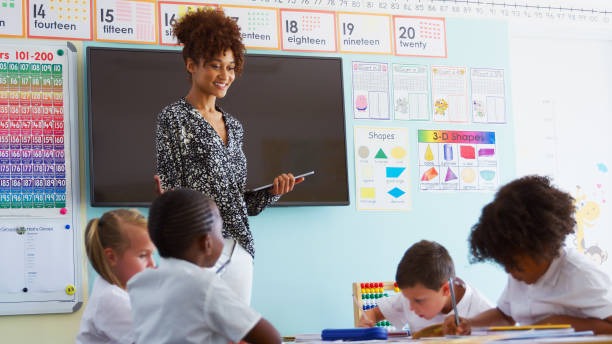
In the world of education, the role of a teacher extends far beyond imparting knowledge.
Teachers are the architects of learning environments where curiosity flourishes and students are encouraged to explore their interests.
One of the most effective ways they achieve this is by making lessons interactive and engaging. As the dynamics of classrooms evolve, so too do the methods that educators employ to captivate their students’ attention and foster a love for learning.
Creating a vibrant learning atmosphere begins with understanding that each student is unique. Teachers often take the time to get to know their students, their interests, and their learning styles. This personal connection lays the groundwork for interactive lessons that resonate on an individual level. When students feel seen and valued, they are more likely to participate actively in their learning journey.
One approach that many teachers have embraced is the use of games and playful activities. Incorporating educational games into lessons not only makes learning enjoyable but also enhances retention. For instance, a history lesson can transform into an interactive quiz game where students compete to answer questions about historical events. This approach not only reinforces knowledge but also fosters a sense of camaraderie among classmates. The laughter and excitement that fill the classroom create a positive atmosphere, making learning a joyful experience.
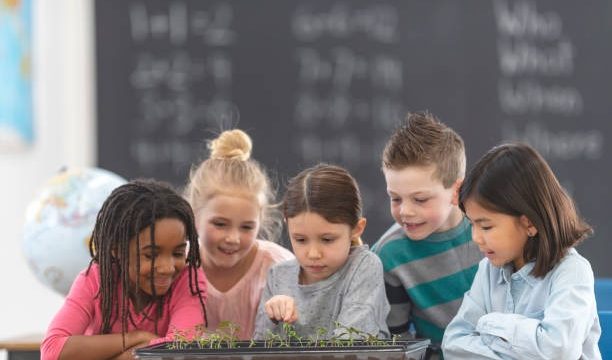
In addition to games, hands-on activities are a cornerstone of interactive learning. Teachers often incorporate projects that allow students to engage with the material in a tangible way. Whether it’s conducting a science experiment, creating art, or building models, these activities encourage students to think critically and problem-solve. The satisfaction that comes from seeing a project come to life fosters a deeper connection to the subject matter. This kinesthetic approach to learning taps into the natural curiosity of students, allowing them to explore concepts in a way that feels both relevant and exciting.
Another effective method for making lessons interactive is the use of technology. In today’s digital age, many educators are leveraging tools like interactive whiteboards, tablets, and educational software to create dynamic lessons. For example, virtual field trips can transport students to historical sites or natural wonders without leaving the classroom. These experiences stimulate imagination and encourage discussions that enrich the learning process. When students can visualize and interact with the content, they are more likely to engage with it on a deeper level.
Collaboration is also a key element in fostering interactivity in the classroom. Teachers often design group activities that encourage students to work together to solve problems or complete projects. This collaborative spirit not only enhances communication skills but also teaches students the value of teamwork. As they share ideas and perspectives, students learn to appreciate diverse viewpoints, fostering an inclusive environment where everyone feels empowered to contribute.
The art of questioning is another vital tool that teachers use to spark curiosity and dialogue. By posing open-ended questions, educators encourage students to think critically and express their thoughts. This technique not only promotes discussion but also allows students to take ownership of their learning. When students are encouraged to ask their own questions, they become active participants in their education rather than passive recipients of information. This shift fosters a love for inquiry and exploration that can last a lifetime.
Creating an interactive learning environment also involves making lessons relevant to students’ lives. When teachers connect the material to real-world applications, it enhances students’ understanding and interest. For example, a math lesson can be framed around budgeting for a class trip, making it relatable and applicable to their everyday experiences. This relevance not only makes learning more enjoyable but also instills a sense of purpose in their studies.
Emphasizing creativity is another way that teachers inject fun into their lessons. Allowing students to express themselves through various forms of art, writing, or performance can transform a traditional lesson into a vibrant showcase of talent and imagination. When students are given the freedom to explore their creativity, they often surprise themselves with what they can achieve. This not only boosts their confidence but also reinforces the idea that learning can be a joyful and expressive endeavor.
Teachers also recognize the importance of fostering a growth mindset in their students. By encouraging them to embrace challenges and view mistakes as opportunities for growth, educators create a safe space for exploration. This supportive environment allows students to take risks and engage with the material without the fear of failure. When students feel comfortable sharing their thoughts and ideas, it leads to richer discussions and deeper understanding.
As the educational landscape continues to evolve, the methods that teachers employ to make lessons interactive and fun will also adapt. However, the core principles of connection, engagement, and creativity will remain timeless. By prioritizing these elements, educators can cultivate a love for learning that transcends the classroom and inspires students to become lifelong learners.
In conclusion, the journey of education is a shared experience between teachers and students, built on a foundation of interaction and enthusiasm. Through games, hands-on activities, technology, collaboration, and creativity, teachers breathe life into lessons, making them enjoyable and meaningful. When students are engaged and excited about what they are learning, it transforms the educational experience into an adventure filled with discovery and growth. In this ever-changing world, the role of a teacher as a guide and facilitator of interactive learning is more vital than ever, shaping the minds of future generations with warmth, creativity, and joy.