In a world that often feels fast-paced and impersonal, finding ways to make learning personal and relevant for students is more essential than ever.
Education is not just about acquiring knowledge; it’s about connecting that knowledge to one’s life, interests, and experiences.
When students see the relevance in what they learn, they become more engaged and empowered. The journey to personalized learning is not just a trend; it’s a vital shift towards nurturing curious, capable individuals.
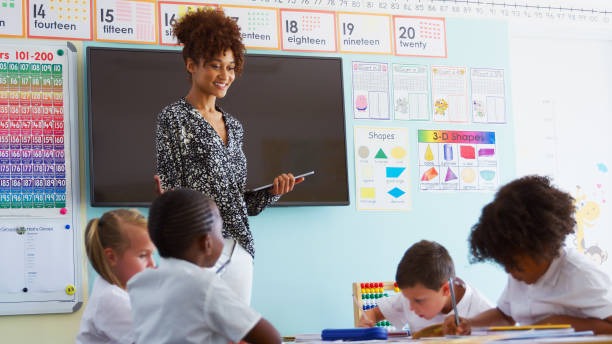
Understanding the unique needs and interests of each student is the cornerstone of personalizing education. Every learner comes with a distinct set of experiences, backgrounds, and aspirations. Recognizing this diversity is the first step in creating an environment where students feel valued and understood. Teachers play a pivotal role in this process, acting as guides who can help illuminate the path for each learner. By taking the time to know their students—what they love, what challenges them, and what sparks their curiosity—educators can tailor their approaches to foster deeper connections with the material.
A small shift toward balance can make a significant difference. Rather than adhering strictly to a one-size-fits-all curriculum, educators might consider integrating students’ interests into lesson plans. For instance, if a student is passionate about music, a teacher could frame a math lesson around musical rhythms and patterns. This not only makes learning more engaging but also helps students see how academic concepts apply to their passions. When students can relate their studies to their own lives, they are more likely to invest time and energy into their education.
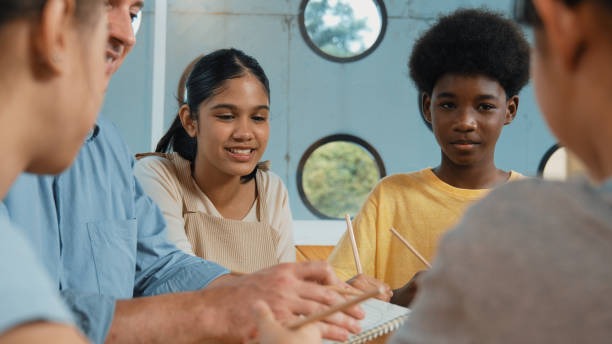
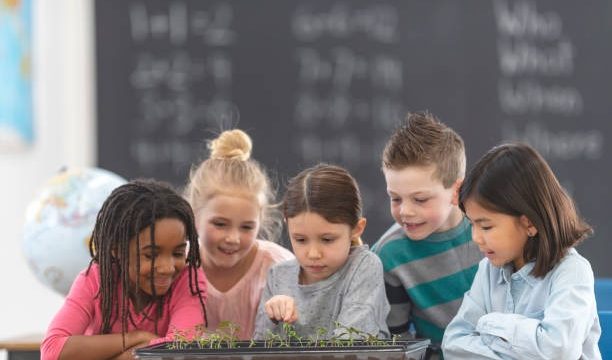
Creating a relevant learning experience also involves fostering a sense of community within the classroom. When students feel a sense of belonging, they are more inclined to participate and share their thoughts. Incorporating collaborative projects encourages students to work together, allowing them to learn from one another while building meaningful relationships. This collaborative spirit can be especially powerful, as it often leads to discussions that deepen understanding and inspire new ideas.
The role of technology in personalizing education cannot be overlooked. With the vast array of online resources and tools available, students can explore topics that intrigue them at their own pace. Whether through interactive apps, online courses, or virtual field trips, technology opens up a world of possibilities. Educators can guide students in selecting resources that align with their interests, making learning not just an obligation but an adventure. This access to diverse materials allows students to engage with content in ways that resonate with their individual learning styles.
Moreover, the importance of real-world connections in education cannot be overstated. When students see how their studies relate to the world around them, they are more likely to appreciate the value of their education. Inviting guest speakers from various professions, organizing field trips, or incorporating current events into discussions can help bridge the gap between theoretical knowledge and practical application. By understanding how their education can impact their future, students are motivated to take charge of their learning journey.
Encouraging self-directed learning is another vital aspect of making education personal and relevant. When students are given the opportunity to pursue their interests, they develop a sense of ownership over their education. This can be achieved through project-based learning, where students choose a topic they are passionate about and create a project that showcases their understanding. This approach not only nurtures creativity but also teaches valuable skills such as critical thinking, problem-solving, and time management. As students navigate their projects, they learn to set goals, overcome challenges, and celebrate their successes, all of which contribute to their personal growth.
Incorporating social-emotional learning (SEL) into the curriculum can also enhance the personalized learning experience. By teaching students to understand and manage their emotions, set goals, and develop empathy, educators equip them with essential life skills. SEL fosters a supportive environment where students feel safe to express themselves and explore their identities, further enriching their educational experience. When students are emotionally engaged, they are more likely to take risks in their learning and pursue their passions with enthusiasm.
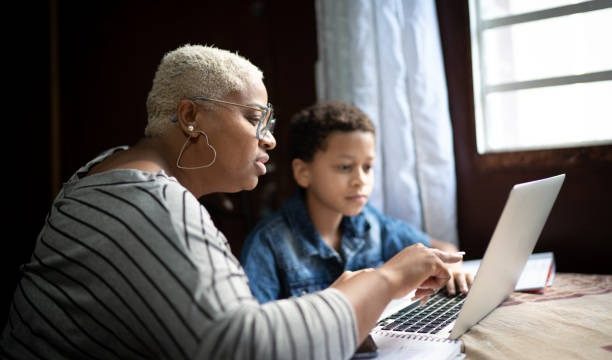
As we reflect on the journey of personalizing education, it’s essential to acknowledge the role of parents and caregivers. Their involvement can significantly enhance a student’s learning experience. By maintaining open lines of communication, educators can share insights about a student’s progress and interests. This collaboration creates a supportive network that reinforces the importance of education both at school and at home. When parents understand the relevance of what their children are learning, they can help bridge the gap between school and life, fostering a seamless learning experience.
Ultimately, making learning personal and relevant for students is an ongoing process that requires patience, creativity, and collaboration. It’s about cultivating an environment where curiosity is encouraged, individuality is celebrated, and every learner feels empowered to explore their potential. As we embrace this approach, we not only enrich the educational landscape but also inspire a generation of lifelong learners who are equipped to thrive in an ever-changing world.
In a time when education can often feel disconnected from reality, the call to make learning personal and relevant is a gentle reminder of our shared humanity. By nurturing connections, embracing individuality, and fostering a love for learning, we can create a brighter future for students, one where they feel seen, heard, and inspired to pursue their dreams. The journey toward personalized education is not just about teaching; it’s about creating a community of learners who are ready to explore the world with open hearts and curious minds.