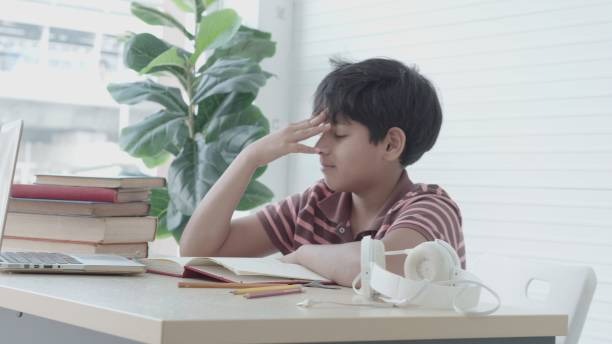
In today’s interconnected world, the quest for knowledge has taken on new dimensions, especially for young learners.
With the vast resources available at our fingertips, children now have the opportunity to explore diverse cultures, ideas, and perspectives from around the globe.
This article will delve into the importance of global knowledge collections for young learners, highlighting how they can enrich their understanding of the world and foster a sense of curiosity and empathy.
Nurturing a Global Mindset
As our world becomes increasingly globalized, the ability to understand and appreciate different cultures is more important than ever. Young learners are naturally curious, and providing them with access to global knowledge collections can help nurture that curiosity. These collections may include books, online resources, documentaries, and interactive platforms that introduce children to various traditions, languages, and histories. By exposing them to a wide array of viewpoints, we can encourage them to think critically and develop a more nuanced understanding of the world around them.
The Role of Storytelling
Storytelling has been a fundamental part of human culture for centuries, serving as a bridge between generations and cultures. For young learners, stories from different parts of the world can be particularly powerful. They not only entertain but also teach valuable lessons about resilience, compassion, and diversity. Whether it’s a folk tale from Africa or a myth from ancient Greece, these narratives provide insights into the values and beliefs of different societies.
When children engage with stories from around the globe, they learn to appreciate the richness of human experience. This appreciation can lead to a greater respect for others and a deeper understanding of the complexities of global issues. Encouraging children to read widely and share stories with their peers can create a sense of community and connection that transcends geographical boundaries.
Interactive Learning Experiences
In addition to traditional literature, interactive learning experiences can bring global knowledge collections to life. Programs that promote cultural exchange, such as pen pal initiatives or virtual classrooms, allow children to connect with their counterparts in other countries. These interactions can foster friendships and provide firsthand insights into daily life in different cultures.
Technology also plays a pivotal role in making global knowledge accessible. Virtual reality experiences, for example, can transport young learners to distant places, enabling them to explore landmarks, attend cultural festivals, or even participate in local traditions. Such immersive experiences can ignite a passion for learning about the world and inspire children to become global citizens.
Encouraging Critical Thinking
As young learners engage with global knowledge collections, it is essential to encourage critical thinking. This involves guiding them to question, analyze, and reflect on the information they encounter. By discussing various perspectives and challenging assumptions, children can develop the skills needed to navigate an increasingly complex world.
Parents and educators can facilitate this process by creating a safe space for open dialogue. Asking questions that prompt deeper reflection can help children connect the dots between their own experiences and those of others. For instance, after reading a story from a different culture, parents might ask, “What similarities do you see between their traditions and ours?” This kind of inquiry can help children recognize commonalities while also appreciating differences.
Fostering Empathy and Understanding
One of the most significant benefits of global knowledge collections is their ability to foster empathy. When young learners are exposed to the struggles and triumphs of people from different backgrounds, they begin to understand that everyone has a unique story. This understanding can cultivate compassion and a desire to contribute positively to the world.
Encouraging empathy through global learning can be as simple as discussing current events or social issues. For example, learning about the challenges faced by children in other countries can inspire young learners to think about how they can help. Whether it’s through fundraising efforts, awareness campaigns, or community service, these experiences can empower children to take action and make a difference.
Creating a Supportive Environment
To fully embrace the benefits of global knowledge collections, it is essential to create a supportive environment for young learners. This means providing access to diverse resources and encouraging exploration. Libraries, community centers, and online platforms can all serve as valuable resources for discovering global literature and educational materials.
Additionally, fostering a culture of curiosity at home can make a significant difference. Parents can encourage their children to ask questions, explore new topics, and share what they learn. This kind of nurturing environment not only enhances learning but also strengthens the bond between parents and children.
A Journey of Lifelong Learning
Ultimately, the journey of exploring global knowledge collections is one that extends beyond childhood. By instilling a love for learning and an appreciation for diversity at a young age, we set the stage for lifelong curiosity and understanding. As children grow, their experiences and knowledge will shape their perspectives, making them more open-minded and informed adults.
In a world that often feels divided, the importance of fostering global awareness cannot be overstated. By investing in our young learners and encouraging their exploration of global knowledge, we contribute to a more compassionate and interconnected society.
As we embark on this journey, let us remember that every story, every interaction, and every lesson learned is a step toward building a brighter future—one where understanding and empathy prevail. In nurturing the minds of young learners, we are not just shaping their individual paths but also paving the way for a more harmonious world.