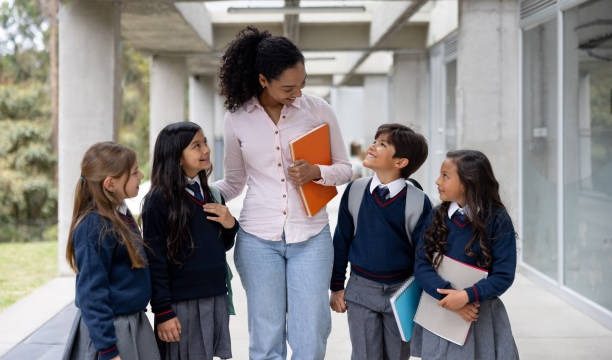
In a world that often encourages conformity, learning models that celebrate individuality offer a refreshing perspective on education.
These approaches recognize that each person is unique, with distinct interests, learning styles, and life experiences.
Embracing this individuality can lead to more meaningful and effective learning experiences, fostering a sense of belonging and personal growth.
Education is not a one-size-fits-all endeavor. Traditional models often focus on standardized testing and uniform curricula, which can overlook the diverse needs and strengths of learners. In contrast, individualized learning models prioritize the student’s voice and agency, allowing them to take an active role in their education. This shift not only enhances engagement but also nurtures a lifelong love of learning.
Creating an environment that honors individuality involves understanding the different ways people absorb information. Some may thrive in collaborative settings, while others prefer solitary study. Recognizing these preferences allows educators and learners alike to tailor their experiences. This can be as simple as providing choices in assignments or as complex as designing entire curricula around students’ passions.
A small shift toward balance can have profound effects. For instance, incorporating project-based learning allows students to explore subjects of interest in depth. This method encourages creativity and critical thinking, enabling learners to connect their studies to real-world applications. When students see the relevance of what they are learning, they are more likely to engage fully and retain information.
Another essential aspect of celebrating individuality in learning is the importance of emotional well-being. When students feel safe and valued, they are more open to taking risks and expressing themselves. Creating a supportive atmosphere involves not only recognizing academic achievements but also celebrating personal milestones and unique traits. This holistic approach fosters resilience and self-esteem, which are crucial for personal and academic success.
Incorporating various learning styles into the classroom is another powerful way to honor individuality. Visual, auditory, and kinesthetic learners all absorb information differently, and a balanced approach that integrates multiple modalities can cater to these diverse needs. For example, a lesson on ecosystems could include visual aids like diagrams, auditory elements such as podcasts, and hands-on activities like building a model. This multi-faceted approach keeps students engaged and allows them to connect with the material in a way that feels authentic to them.
The role of technology in education also presents exciting opportunities to celebrate individuality. With the rise of online learning platforms and educational apps, students can tailor their learning experiences to fit their preferences and paces. These tools often provide personalized feedback and resources, empowering learners to take charge of their education. The flexibility that technology offers can be particularly beneficial for those who may struggle in traditional classroom settings, allowing them to thrive in a more personalized environment.
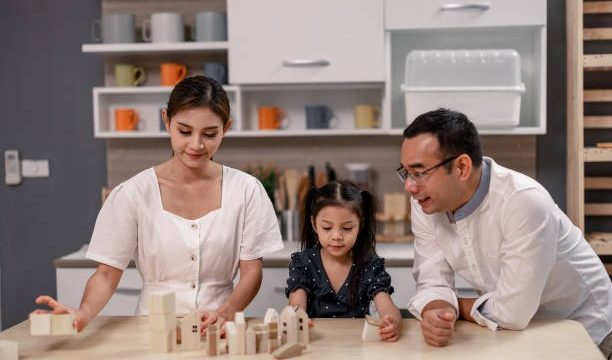
Family and community involvement are also crucial in creating a learning atmosphere that honors individuality. When families are engaged in their children’s education, it reinforces the idea that learning is a shared journey. Encouraging parents to contribute their skills or knowledge can enhance the learning experience and provide students with a broader understanding of the world around them. Community partnerships can also bring diverse perspectives into the classroom, enriching discussions and fostering a sense of belonging.
As we consider the impact of individuality in learning, it is essential to acknowledge the importance of teacher training and support. Educators who are equipped with the tools and strategies to recognize and nurture individual differences can create more inclusive and effective learning environments. Professional development programs that focus on personalized learning techniques can empower teachers to embrace a more student-centered approach, ultimately benefiting both educators and learners.
Celebrating individuality in education is not just about accommodating differences; it is about recognizing the intrinsic value that each learner brings to the table. Acknowledging and honoring these unique qualities fosters a sense of community and belonging, encouraging collaboration and mutual respect among students. When learners feel seen and appreciated for who they are, they are more likely to contribute positively to their learning environments and beyond.
In conclusion, learning models that celebrate individuality offer a pathway to more meaningful and fulfilling educational experiences. By recognizing and honoring the unique strengths, preferences, and backgrounds of each learner, we can create environments that inspire growth, creativity, and a lifelong love for learning. As we continue to explore and implement these approaches, we pave the way for a future where education is not just about knowledge acquisition but about nurturing the whole person. In this journey, let us embrace the beauty of diversity and the richness it brings to our shared learning experiences.