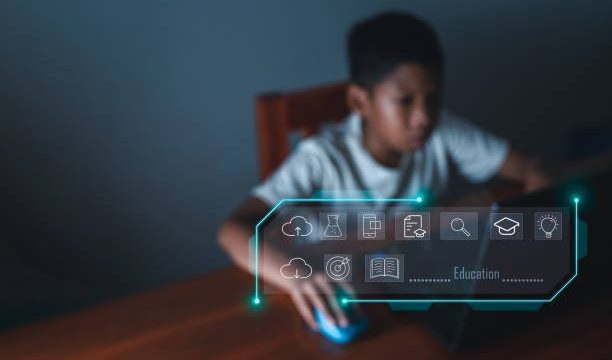
In today’s fast-paced world, where technology intertwines with every aspect of our lives, e-learning has emerged as a beacon of opportunity, especially for those seeking career-focused education.
The traditional classroom model, while still valuable, has evolved, giving way to a more flexible and accessible approach that resonates with the needs of modern learners.
As we delve into how e-learning supports career-focused education, we uncover its myriad benefits that align perfectly with the aspirations of individuals eager to enhance their skills and advance their careers.
The beauty of e-learning lies in its ability to break down geographical barriers. No longer confined to a specific location, learners can access high-quality courses from esteemed institutions around the globe. This accessibility empowers individuals to pursue education that aligns with their career goals, regardless of where they live. Whether you’re in a bustling city or a quiet town, the vast resources available online can provide you with the knowledge and skills necessary to succeed in your chosen field.
Flexibility is another hallmark of e-learning that makes it particularly appealing for those balancing work, family, and personal commitments. Traditional education often requires a rigid schedule, making it challenging for working professionals to juggle their responsibilities. E-learning, however, allows for a more personalized approach. Learners can engage with course materials at their own pace, fitting their studies around their existing commitments. This flexibility fosters a sense of ownership over one’s education and encourages a more profound engagement with the material.
One of the most compelling aspects of e-learning is the variety of resources available to students. From interactive videos to online forums and virtual simulations, the digital landscape offers an array of tools that cater to different learning styles. Visual learners might thrive with video content, while those who prefer a hands-on approach can benefit from simulations that mimic real-world scenarios. This diversity not only makes learning more enjoyable but also enhances retention and understanding, ultimately leading to a more competent workforce.
A small shift toward collaboration is also evident in the e-learning environment. Online education platforms often feature discussion boards, group projects, and peer review systems that encourage interaction among students. This collaborative spirit fosters a sense of community, allowing learners to share insights, ask questions, and support one another. In a career-focused context, these interactions can lead to networking opportunities that may not arise in traditional classroom settings. Building relationships with peers and industry professionals can be invaluable for future job prospects and career growth.
As we navigate the complexities of an ever-changing job market, the importance of upskilling cannot be overstated. E-learning makes continuous education more accessible, allowing individuals to acquire new skills or enhance existing ones as industry demands evolve. For example, professionals in fields like technology or healthcare can quickly adapt to new trends and innovations through specialized online courses. This adaptability not only increases employability but also instills a sense of confidence in one’s ability to meet the challenges of the future.
Moreover, e-learning often incorporates real-world applications into its curriculum. Many online courses are designed in collaboration with industry experts, ensuring that the content remains relevant and practical. This focus on applicability means that learners can immediately translate their knowledge into their work environments. Whether it’s mastering a new software tool or understanding the latest marketing strategies, the skills gained through e-learning can be directly applied, making education a powerful catalyst for career advancement.
In the realm of e-learning, self-directed learning emerges as a vital component of personal and professional growth. The autonomy that comes with online education encourages learners to take initiative, set their own goals, and seek out resources that resonate with their interests. This self-motivation is invaluable in today’s workplace, where employers often seek candidates who demonstrate initiative and a proactive attitude toward their development. E-learning nurtures these qualities, equipping individuals with the mindset necessary for success.
As we embrace the digital age, it’s essential to acknowledge the role of technology in shaping our educational experiences. E-learning platforms often utilize advanced technologies such as artificial intelligence and data analytics to personalize the learning journey. By tracking progress and providing tailored recommendations, these systems enhance the learning experience, ensuring that each individual’s needs are met. This personalized approach not only supports academic success but also encourages lifelong learning, a crucial aspect of career growth.
In addition to its educational advantages, e-learning can also promote mental well-being. The flexibility of online courses allows learners to create a balanced schedule that accommodates their personal lives, reducing stress and fostering a healthier approach to education. Engaging in learning at one’s own pace can lead to a more enjoyable experience, transforming education from a daunting task into a fulfilling journey. This shift in perspective can have a profound impact on overall well-being, empowering individuals to pursue their dreams without the weight of unnecessary pressure.
As we reflect on the transformative power of e-learning, it becomes clear that it is not just a tool for acquiring knowledge, but a comprehensive support system for career-focused education. By providing accessibility, flexibility, and a wealth of resources, online learning creates an environment where individuals can thrive. It encourages collaboration, adaptability, and self-directed growth, all of which are essential in today’s competitive job market.
In conclusion, e-learning is more than a mere alternative to traditional education; it is a pathway to personal and professional fulfillment. By embracing this modern approach to learning, individuals can unlock their potential and cultivate the skills necessary for a successful career. As we continue to navigate an evolving landscape, e-learning stands as a testament to the power of education in shaping our futures, one click at a time.