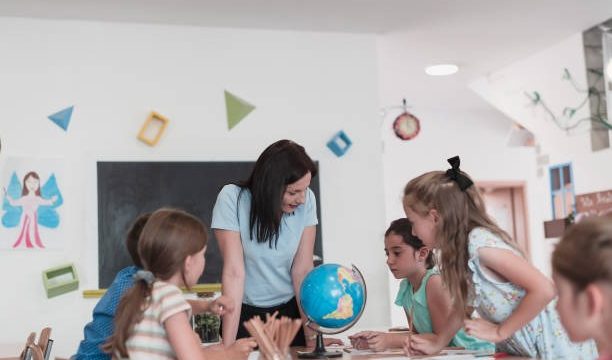
In a world increasingly aware of its ecological footprint, the importance of environmental education has never been more pronounced.
From the smallest child to the most seasoned adult, understanding the intricacies of our planet is essential for fostering a sustainable future.
Fortunately, a wealth of educational resources exists to support this journey, making learning about the environment both engaging and accessible.
A gentle introduction to nature
For young minds, the first steps into environmental learning can be both exciting and enlightening. Picture storybooks that whisk children away on adventures through lush forests, bustling oceans, and vast deserts. These narratives not only entertain but also instill a sense of wonder about the natural world. Titles like “The Lorax” by Dr. Seuss or “The Very Hungry Caterpillar” by Eric Carle introduce essential concepts like conservation and the life cycle in a playful manner. Reading together not only strengthens bonds but also opens the door to meaningful conversations about our role in protecting nature.
Beyond books, interactive experiences can ignite a passion for the environment. Nature centers and botanical gardens often offer programs tailored for children, combining fun with education. Hands-on activities, such as planting seeds or observing local wildlife, allow kids to connect with their surroundings on a personal level. These experiences nurture a sense of responsibility, encouraging them to become stewards of the earth as they grow.
A small shift toward balance
As we transition from childhood to adulthood, educational resources evolve to meet our changing needs. Online platforms have become a treasure trove of information, offering courses, documentaries, and articles that cater to a wide array of interests. Websites like Coursera and Khan Academy feature courses on environmental science, climate change, and sustainability, providing flexible learning opportunities for busy adults.
Documentaries have also emerged as powerful tools for raising awareness. Films such as “Our Planet” and “Chasing Ice” not only showcase the beauty of our world but also highlight the urgent issues it faces. These visual narratives can inspire viewers to take action, whether that means reducing plastic use or advocating for policy changes. Sharing a documentary night with family or friends can spark discussions that lead to collective action, creating a sense of community around environmental stewardship.
Cultivating a sense of place
Understanding local ecosystems is vital in fostering a deeper connection to the environment. Many communities have organizations dedicated to educating residents about their unique natural habitats. Workshops on native plants, wildlife identification, and sustainable gardening can empower individuals to make informed choices. These programs often encourage participants to get involved in local conservation efforts, such as clean-up days or tree planting initiatives.
Nature walks led by knowledgeable guides can also enrich our understanding of the land we inhabit. Listening to stories about local flora and fauna can deepen our appreciation for the delicate balance of ecosystems. These experiences remind us that we are part of a larger web of life, encouraging a sense of responsibility for the health of our surroundings.
Finding harmony in the digital age
In our fast-paced, tech-driven world, it can be easy to overlook the importance of nature. However, technology can also serve as a bridge to environmental learning. Apps designed for nature enthusiasts, such as iNaturalist, allow users to document and share their observations of wildlife. This not only fosters a sense of community but also contributes to scientific research.
Social media platforms can also be a source of inspiration. Following environmental organizations, activists, and educators can provide a steady stream of information, tips, and motivation. Engaging with these communities can help individuals feel less isolated in their efforts to make a difference. The power of shared stories and experiences can ignite a ripple effect, encouraging others to join the movement for a healthier planet.
A holistic approach to education
As we consider the various resources available, it’s important to remember that environmental education is not just about acquiring knowledge; it’s about fostering a mindset. Programs that incorporate mindfulness and well-being can deepen our connection to the earth. Activities such as forest bathing, or “Shinrin-yoku,” encourage individuals to immerse themselves in nature, promoting mental clarity and emotional balance. This holistic approach reminds us that caring for our environment is intertwined with caring for ourselves.
Furthermore, integrating environmental education into schools can lay a strong foundation for future generations. By weaving sustainability into the curriculum, educators can inspire students to think critically about their impact on the world. Projects that involve real-world problem-solving, such as designing a community garden or conducting energy audits, can empower students to take ownership of their learning and their environment.
Embracing a lifelong journey
Ultimately, environmental learning is a lifelong journey. Whether we are reading a children’s book, watching a thought-provoking documentary, or participating in a local conservation project, every step we take contributes to a greater understanding of our planet. As we engage with these resources, we cultivate a sense of connection and responsibility that can ripple through our communities and beyond.
Creating a sustainable future requires collective effort, and educational resources play a pivotal role in this endeavor. By nurturing curiosity and fostering a deep appreciation for the natural world, we can inspire a movement toward a healthier, more balanced planet. So, as we explore the plethora of resources available, let’s remember that each moment spent learning about the environment is a step toward a brighter future for ourselves and generations to come.