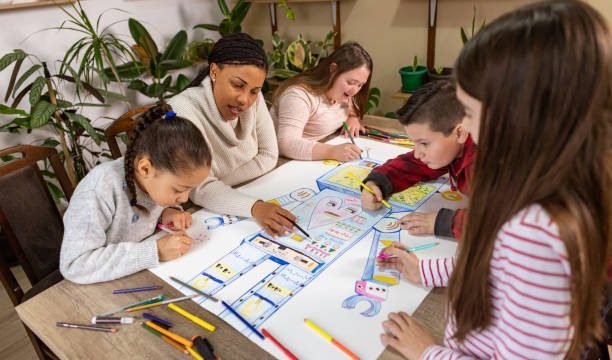
In a world overflowing with distractions, nurturing a love for reading and writing in our children is more important than ever.
These foundational skills not only support academic success but also enrich life experiences and foster connections with others.
Fortunately, there are a plethora of educational resources available that promote reading and writing development in a way that feels engaging and enjoyable.
Creating a cozy reading environment can be the first step toward instilling a love for literature. Imagine a corner of your home filled with soft cushions, warm lighting, and an inviting bookshelf. This simple yet effective setup can serve as a sanctuary for young readers. When children feel comfortable and safe, they are more likely to explore the pages of a book. Encourage them to choose their own reading material, allowing their interests to guide their selections. Whether it’s a whimsical tale or an informative nonfiction piece, the key is to make reading an enjoyable adventure.
A wonderful way to enhance this experience is by introducing interactive reading resources. There are countless apps and websites designed to make reading more dynamic. Platforms like Epic! or Raz-Kids offer a vast library of books tailored to various reading levels. These resources not only provide access to a wide range of literature but often include quizzes and games that reinforce comprehension skills. The combination of technology and reading can be a powerful motivator for children, transforming what could be a solitary activity into an engaging experience.
As children progress in their reading, writing becomes an equally important skill to cultivate. Encouraging young writers can be as simple as providing them with a journal. This doesn’t need to be an ornate or expensive notebook; often, a simple spiral-bound pad will do. Journaling allows children to express their thoughts, feelings, and imaginations freely. It can be a space for storytelling, reflection, or even sketches. The act of writing regularly helps to reinforce language skills while also giving them a creative outlet.
In addition to journaling, there are numerous online writing platforms that can inspire budding authors. Websites like Storybird and Wattpad allow users to create and share their stories with a broader audience. This sense of community can be incredibly motivating, as children see their work appreciated by others. Feedback from peers can also help them grow and refine their writing skills, making the process both educational and fun.
Another gentle yet effective method to promote reading and writing development is through the power of storytelling. Sharing stories—whether they are classic fairy tales, family anecdotes, or original creations—can ignite a child’s imagination. Storytelling can occur during family gatherings, bedtime routines, or even while traveling. The beauty of storytelling lies in its ability to connect generations, allowing children to learn from their elders while also giving them a platform to share their own narratives.
Participating in community events can also enhance a child’s literacy journey. Libraries often host reading programs, writing workshops, and storytelling sessions. These gatherings not only provide access to books and resources but also foster a sense of belonging. Being part of a community of readers and writers can be incredibly encouraging for children, reinforcing the idea that they are not alone in their learning journey.
Another avenue worth exploring is the world of book clubs. Starting a book club with friends or family can create a shared experience around reading. Discussing a book together can deepen comprehension and enhance critical thinking skills. It also offers an opportunity for children to articulate their thoughts and feelings about what they’ve read, fostering communication skills in the process.
As we embrace the digital age, it’s essential to find a balance between traditional and modern resources. E-books and audiobooks are excellent tools that can complement physical reading materials. Audiobooks, in particular, can enhance comprehension and introduce children to new vocabulary in a captivating way. Listening to stories narrated by skilled voice actors can make literature come alive, igniting a passion for stories that may lead them back to reading the printed word.
Incorporating writing into everyday activities can also be beneficial. Encourage children to write letters to family members or friends, create grocery lists, or even craft their own comic strips. These small tasks not only make writing feel relevant but also show children how valuable their written words can be in everyday life. This practical application of writing helps to solidify its importance and can boost their confidence.
As we look for ways to promote literacy, it’s essential to remember that every child is unique. What works for one may not resonate with another. Therefore, it’s important to remain open to exploring different resources and methods. The goal is to create a supportive environment where children feel free to express themselves and develop their skills at their own pace.
Lastly, it’s crucial to celebrate progress, no matter how small. Acknowledging achievements—whether it’s finishing a book, writing a story, or even sharing a thought during a discussion—can motivate children to continue their journey. Praise can be a powerful tool, helping to build self-esteem and a love for learning that lasts a lifetime.
In conclusion, promoting reading and writing development in children is a journey filled with opportunities for exploration and creativity. By creating a nurturing environment, utilizing a variety of resources, and encouraging expression, we can help our children develop skills that will serve them well throughout their lives. As they embark on this adventure, let’s remember to walk alongside them, celebrating each small victory and fostering a lifelong love for the written word.