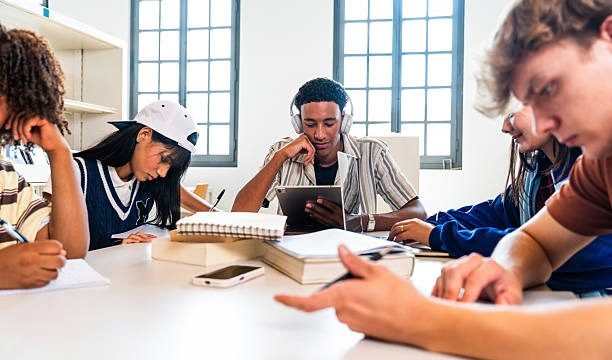
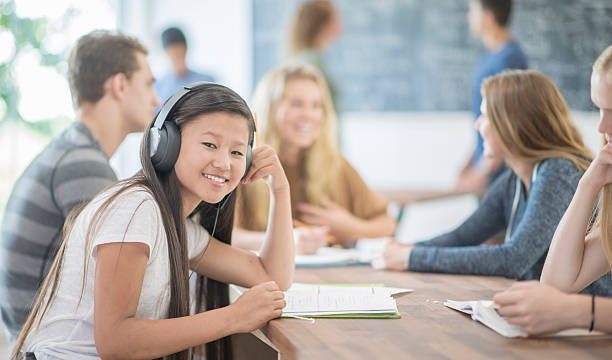
In recent years, education has undergone a transformation, embracing new technologies and methodologies that resonate with the needs of modern learners.
One approach that has gained traction is blended learning, a harmonious combination of traditional face-to-face instruction and online learning experiences.
This method not only enhances educational outcomes but also fosters a sense of balance and flexibility that many students and educators find appealing.
A gentle blend of methods
Blended learning offers a unique opportunity to merge the best of both worlds. Imagine walking into a classroom where the teacher engages students in lively discussions, while simultaneously, learners can access a wealth of online resources tailored to their individual learning styles. This blend allows for a dynamic educational experience that can be adapted to fit various needs, making learning more personalized and effective.
One of the most significant benefits of blended learning is its ability to accommodate different learning preferences. Some students thrive in traditional settings, where they can interact directly with instructors and peers. Others may find that they learn best through self-directed online courses, where they can progress at their own pace. Blended learning creates a versatile environment where both types of learners can flourish, promoting inclusivity and ensuring that everyone has the opportunity to succeed.
A small shift toward balance
Flexibility is another hallmark of blended learning. In our fast-paced world, students often juggle multiple responsibilities, from part-time jobs to family commitments. Blended learning provides the freedom to engage with course materials at convenient times, allowing learners to balance their academic pursuits with other life demands. This adaptability can significantly reduce stress levels, leading to a more positive and fulfilling learning experience.
Furthermore, blended learning encourages students to take ownership of their education. With access to online platforms, learners can explore topics of interest beyond the classroom curriculum, fostering a sense of curiosity and motivation. This self-directed approach empowers students to become active participants in their learning journey, rather than passive recipients of information.
Connecting with technology
The integration of technology into blended learning environments also prepares students for the digital world they will encounter in their careers. As industries increasingly rely on technological tools, familiarity with online learning platforms and digital resources becomes invaluable. By engaging with technology in an educational context, students develop essential skills such as digital literacy, critical thinking, and problem-solving.
Moreover, blended learning can facilitate collaboration among students. Online discussion forums, group projects, and virtual study sessions provide opportunities for learners to connect with peers from diverse backgrounds. This interaction not only enriches the educational experience but also nurtures essential social skills such as teamwork and communication. In a world that thrives on collaboration, these skills are indispensable.
An opportunity for educators
Blended learning is not solely beneficial for students; it also presents exciting opportunities for educators. Teachers can leverage technology to streamline administrative tasks, allowing them to focus more on instruction and student engagement. With the ability to track student progress through online platforms, educators can identify areas where individual learners may need additional support, tailoring their teaching methods accordingly. This data-driven approach fosters a more responsive educational environment, ultimately enhancing student outcomes.
Additionally, blended learning encourages continuous professional development for educators. As they navigate new technologies and teaching methodologies, teachers expand their skill sets and adapt to the evolving landscape of education. This growth not only benefits their students but also contributes to a culture of lifelong learning within the educational community.
Creating a supportive environment
While blended learning offers numerous advantages, it is essential to foster a supportive environment where both students and educators feel comfortable navigating this new landscape. Open communication and collaboration among all stakeholders—students, teachers, and parents—are crucial for ensuring a successful blended learning experience. By working together, the educational community can address challenges, share best practices, and celebrate successes.
Furthermore, it’s important to recognize that the transition to blended learning may not be seamless for everyone. Some students may initially struggle with the self-directed nature of online learning, while others may find the technology intimidating. Providing adequate resources, training, and support can help ease these transitions, allowing everyone to embrace the benefits of blended learning fully.
A brighter future for education
As we look to the future, blended learning stands as a beacon of hope in the ever-evolving world of education. By combining traditional teaching methods with innovative technology, we can create a more inclusive, flexible, and engaging learning environment. This approach not only meets the diverse needs of today’s learners but also equips them with the skills necessary to thrive in an increasingly complex world.
In essence, blended learning is more than just a trend; it is a thoughtful response to the changing needs of students and educators alike. As we embrace this approach, we take a step toward a more balanced and enriching educational experience. By fostering curiosity, collaboration, and adaptability, blended learning paves the way for a brighter future in education, where every learner can discover their potential and flourish.