In a world that is increasingly driven by technology and innovation, the significance of hands-on STEM (Science, Technology, Engineering, and Mathematics) learning cannot be overstated.
This approach to education is not just about memorizing facts or completing assignments; it is about engaging with the material in a way that is both meaningful and enjoyable.
By immersing ourselves in practical experiences, we foster a deeper understanding of complex concepts and nurture a lifelong passion for discovery.
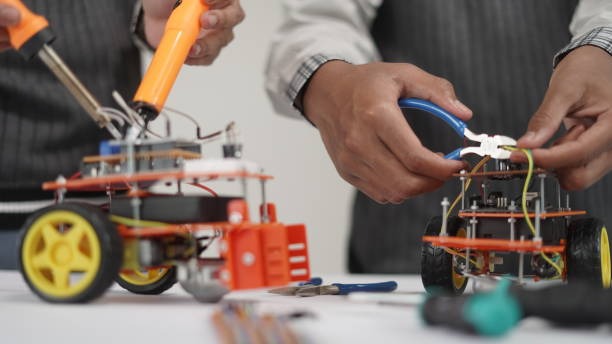
The beauty of hands-on learning lies in its ability to bridge the gap between theory and practice. When students are given the opportunity to experiment, build, and create, they become active participants in their own education. Imagine a young girl, her eyes wide with curiosity, as she constructs a simple circuit. The joy she feels when the light bulb flickers to life is a testament to the power of experiential learning. In these moments, students are not just learning about electrical engineering; they are developing critical thinking skills, problem-solving abilities, and a sense of accomplishment that can propel them forward in their educational journeys.
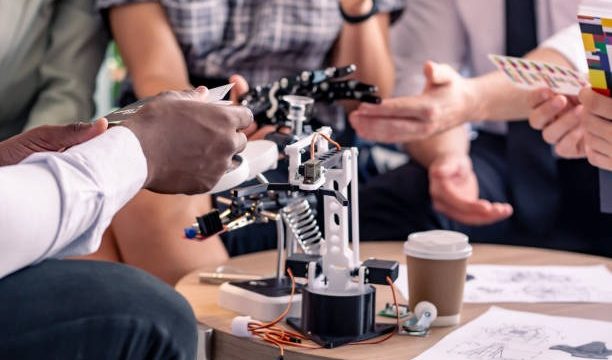
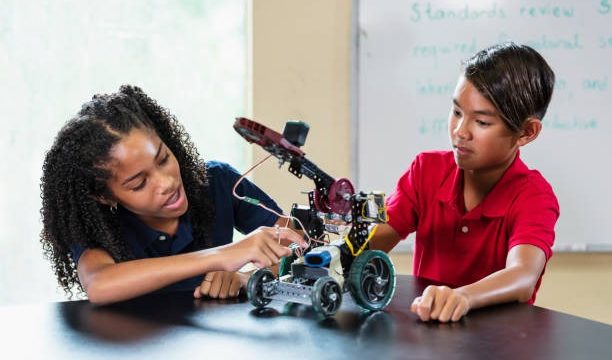
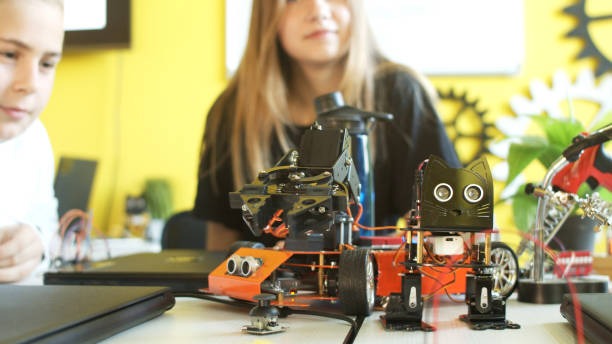
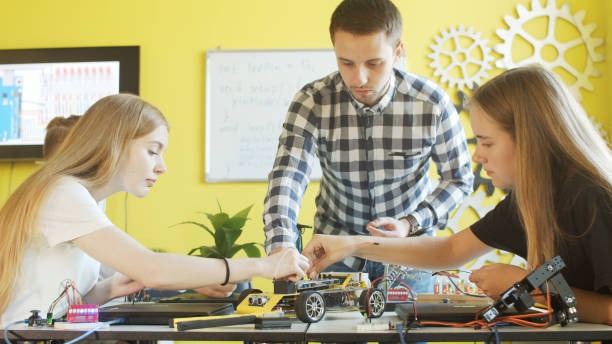
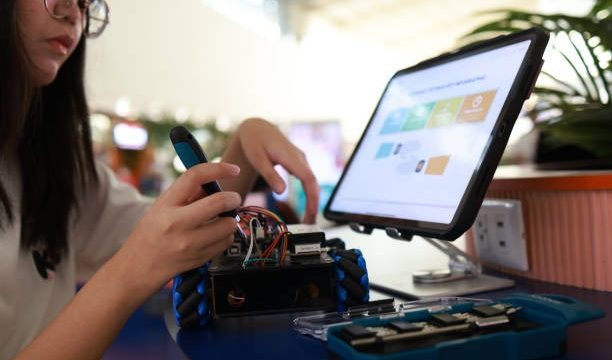
One of the most compelling aspects of hands-on STEM learning is its inclusivity. This method appeals to a diverse range of learning styles, accommodating visual, auditory, and kinesthetic learners alike. Consider the student who struggles with traditional textbook learning but shines when given the chance to work on a robotics project. By engaging with the material through physical interaction, these students can uncover their strengths and interests, often leading to unexpected pathways in their academic and professional lives.
The process of discovery is often messy, and that’s okay. When students are allowed to experiment and even fail, they learn resilience. Failure is not the end; it’s a stepping stone toward success. Each setback provides invaluable lessons that help students refine their approaches and think creatively. This mindset is crucial not only in the classroom but also in life, where challenges are a natural part of the journey. Encouraging students to embrace trial and error fosters a growth mindset, empowering them to tackle obstacles with confidence.
Creating an environment conducive to hands-on learning requires thoughtful planning and resources. Schools and educators play a pivotal role in this transformation. By integrating STEM activities into the curriculum, they can spark curiosity and inspire students to explore the world around them. Programs that emphasize collaboration and teamwork not only enhance learning but also help students develop interpersonal skills. Working together on projects teaches them to communicate effectively, listen to one another, and appreciate diverse perspectives.
Beyond the classroom, families can play an essential role in promoting hands-on STEM experiences. Simple activities at home, such as cooking or gardening, can introduce fundamental scientific concepts in a fun and engaging way. Parents can encourage their children to ask questions and seek answers through exploration. Whether it’s experimenting with different ingredients in a recipe or observing the growth of a plant, these everyday experiences nurture a sense of wonder and inquiry.
The importance of hands-on STEM learning extends beyond academic success; it also prepares students for the future workforce. As industries evolve, the demand for individuals who can think critically and innovate grows. Employers increasingly seek candidates who can adapt to new technologies and collaborate with diverse teams. By emphasizing practical skills and real-world applications, hands-on learning equips students with the tools they need to thrive in an ever-changing landscape.
In our modern age, where screens often dominate our attention, it’s crucial to remember the value of tactile experiences. Engaging with physical materials stimulates creativity and imagination. Whether it’s building a model, conducting an experiment, or coding a simple program, hands-on activities encourage students to explore and push boundaries. This exploratory play not only reinforces academic concepts but also nurtures a love for learning that can last a lifetime.
As we reflect on the role of hands-on STEM learning, it’s essential to recognize its potential to inspire future generations. The thrill of discovery can ignite a passion for science, technology, engineering, and mathematics that leads to groundbreaking innovations. When students are given the freedom to explore their interests and develop their skills, they can become the problem solvers of tomorrow.
Incorporating hands-on experiences into education is not merely a trend; it is a necessary shift toward a more engaging and effective learning model. As educators, parents, and community members, we have the opportunity to create a culture that values curiosity and exploration. By prioritizing hands-on STEM learning, we can cultivate a generation of thinkers, creators, and innovators who are prepared to tackle the challenges of the future.
Ultimately, the journey of learning should be one of joy and discovery. By embracing hands-on STEM experiences, we not only enhance academic understanding but also foster a sense of wonder about the world. As we encourage students to explore, experiment, and engage with their surroundings, we empower them to become the architects of their futures. Together, let’s inspire a love for learning that transcends the classroom and resonates throughout their lives.