In recent years, educators have been exploring various teaching methods to enhance student engagement and comprehension.
Among these, active learning has emerged as a transformative approach that not only invigorates the classroom environment but also fosters deeper connections with the material being studied.
This method encourages students to participate actively in their learning processes, moving away from traditional lecture-based instruction. Let’s delve into the many benefits of active learning in the classroom and how it shapes a more enriching educational experience.
A gentle shift in perspective
Active learning encourages students to take an active role in their education, promoting a shift from passive absorption of information to engaging with the material on a more personal level. This approach invites students to collaborate with their peers, discuss concepts, and apply what they learn in practical contexts. By fostering a sense of ownership over their education, students become more invested in their studies, leading to increased motivation and enthusiasm.
Creating a vibrant classroom dynamic
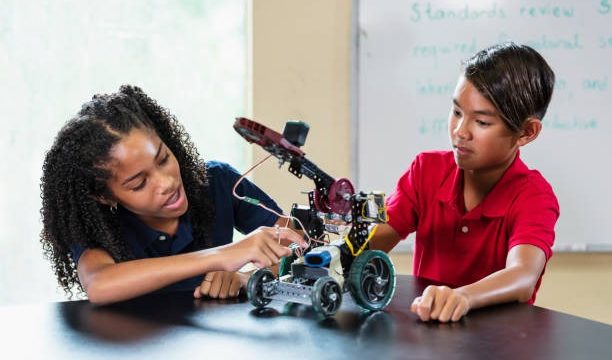
One of the most noticeable benefits of active learning is the vibrant atmosphere it creates in the classroom. Traditional lectures can often lead to disengagement and boredom, but when students are encouraged to participate, the energy in the room shifts dramatically. Group discussions, hands-on activities, and interactive projects spark curiosity and foster a sense of community among students. This lively environment not only makes learning enjoyable but also helps to build lasting relationships among classmates, enhancing their social skills and teamwork abilities.
Nurturing critical thinking skills
In a world that increasingly values critical thinking and problem-solving abilities, active learning plays a crucial role in nurturing these skills. When students are involved in discussions and collaborative projects, they are challenged to think critically about the material. They learn to analyze information, evaluate different perspectives, and formulate their own conclusions. This process not only deepens their understanding of the subject matter but also equips them with essential skills that will serve them well in their future academic and professional endeavors.
Encouraging creativity and innovation
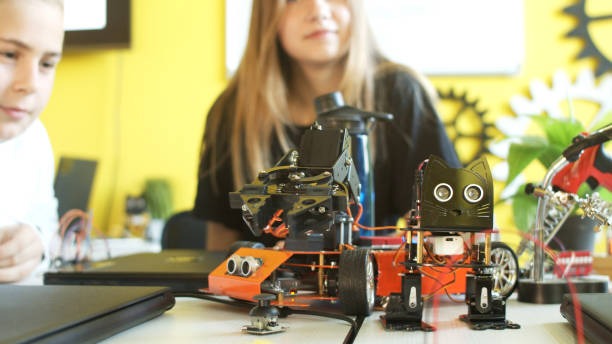
Active learning also opens the door to creativity and innovation. When students are given the freedom to explore topics in a hands-on way, they can approach problems from various angles and think outside the box. This creative freedom fosters an environment where new ideas can flourish. Whether it’s through group projects, presentations, or creative assignments, students can express their unique perspectives and develop innovative solutions. This not only enhances their learning experience but also prepares them to be adaptable and forward-thinking in an ever-evolving world.
Fostering a love for learning
Perhaps one of the most profound benefits of active learning is its ability to cultivate a genuine love for learning. When students are engaged in their education and find joy in the process, they are more likely to seek knowledge beyond the classroom. This intrinsic motivation can lead to lifelong learning habits, as students develop a curiosity about the world around them. By creating a positive learning environment that encourages exploration and discovery, educators can inspire students to become passionate learners who continue to seek knowledge throughout their lives.
Building confidence and resilience
Active learning provides students with opportunities to take risks and embrace challenges in a supportive environment. When they engage in collaborative projects or present their ideas in front of their peers, they build confidence in their abilities. This experience teaches them that making mistakes is a natural part of the learning process and encourages them to persevere in the face of difficulties. As they navigate through challenges, students develop resilience, learning to bounce back and approach problems with a growth mindset.
Accommodating diverse learning styles
Every student is unique, with different strengths, weaknesses, and preferred learning styles. Active learning recognizes this diversity and offers a variety of ways for students to engage with the material. Whether through visual aids, hands-on activities, or group discussions, active learning can accommodate different learning preferences. This inclusivity ensures that all students have the opportunity to thrive, making the classroom a more equitable space for everyone.
Enhancing retention and understanding
Research suggests that students who engage in active learning tend to retain information better than those who rely solely on passive learning methods. When students interact with the material—whether through discussions, problem-solving, or teaching their peers—they reinforce their understanding and solidify the knowledge in their minds. This deeper comprehension not only prepares them for exams but also equips them with the ability to apply what they’ve learned in real-world situations.
A holistic approach to education
Active learning aligns with a more holistic approach to education, recognizing that learning is not just about acquiring knowledge but also about developing social, emotional, and cognitive skills. By promoting collaboration, communication, and critical thinking, active learning prepares students for the complexities of life beyond the classroom. This well-rounded approach nurtures not only academic success but also personal growth, shaping students into well-rounded individuals ready to face the challenges of the future.
Embracing the journey of learning
Ultimately, active learning invites both students and educators to embrace the journey of learning together. It fosters a sense of curiosity and wonder, encouraging students to explore, question, and discover. By creating an engaging and supportive environment, educators can inspire their students to take charge of their education, nurturing a generation of lifelong learners who are not only knowledgeable but also passionate about making a positive impact in the world.
As we reflect on the myriad benefits of active learning in the classroom, it becomes clear that this approach is more than just a teaching method; it is a philosophy that values engagement, creativity, and personal growth. By embracing active learning, educators can unlock the potential within each student, fostering a love for learning that lasts a lifetime. In this ever-changing world, the ability to think critically, collaborate effectively, and adapt to new challenges is more important than ever. Active learning equips students with these essential skills, paving the way for a brighter future for all.