In today’s fast-paced world, where technology is evolving at lightning speed, the importance of practical skills cannot be overstated.
Robotics clubs are popping up in schools and communities everywhere, offering a unique blend of creativity, problem-solving, and teamwork.
These clubs do more than just teach students how to build robots; they provide an opportunity to explore real-world skills that can benefit individuals in various aspects of life.
A gentle introduction to robotics
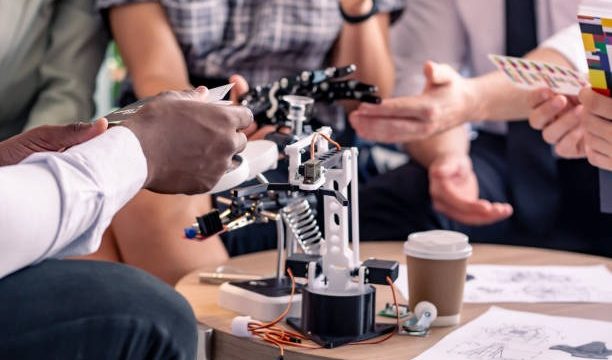
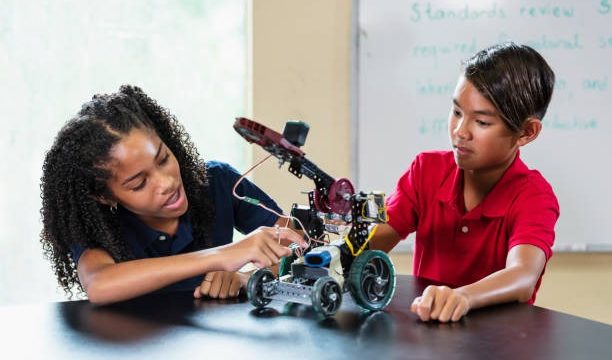
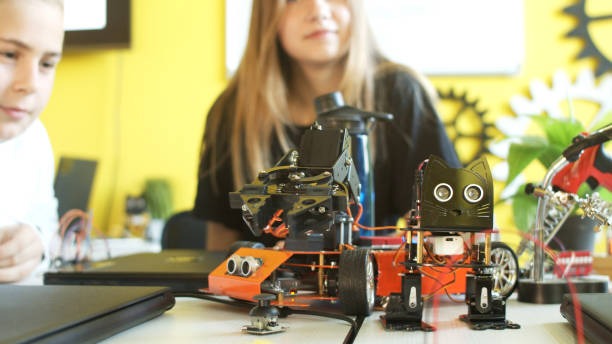
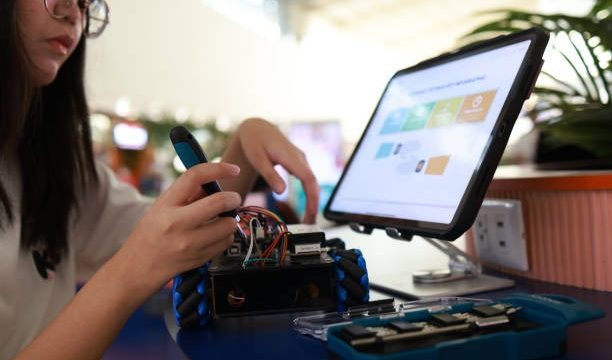
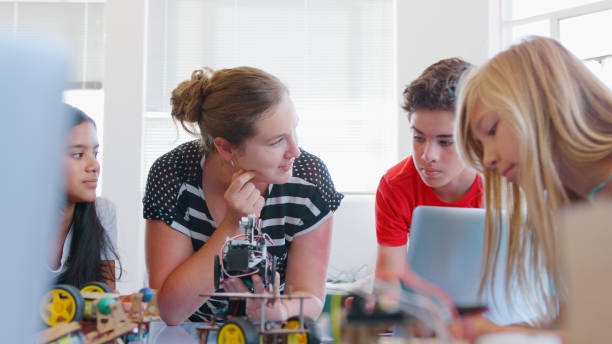
Imagine stepping into a room filled with the hum of machinery, the click of gears, and the excited chatter of young minds collaborating on their latest invention. This is the essence of a robotics club—a space where curiosity meets technology. Students from diverse backgrounds come together to learn about coding, engineering, and design, all while fostering friendships and developing essential life skills.
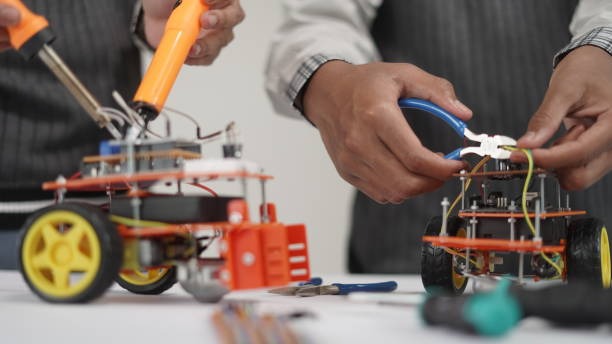
In many ways, robotics serves as a bridge between theoretical knowledge and practical application. While students may learn about physics in a classroom, the robotics club allows them to see those principles in action. They can visualize how gears turn, how sensors react, and how programming is translated into movement. This hands-on experience cultivates a deeper understanding of concepts that might otherwise seem abstract.
Building teamwork and communication skills
One of the most valuable lessons learned in a robotics club is the importance of teamwork. Constructing a robot is rarely a solo endeavor; it requires collaboration and effective communication. Students quickly discover that sharing ideas, listening to each other, and resolving conflicts are essential components of success. These skills extend far beyond the club, preparing them for future group projects in school, workplaces, and community initiatives.
As they work together to solve challenges, students learn to appreciate the strengths and perspectives of their peers. Each member may bring a unique skill set to the table—some may excel in coding, while others shine in mechanical design. This diversity enhances the learning experience, fostering an environment where everyone has something valuable to contribute.
Nurturing creativity and innovation
Robotics is not just about following instructions; it’s about innovation and creativity. Students are often tasked with building robots that can perform specific functions or compete in challenges. This process encourages them to think outside the box and come up with inventive solutions. Whether it’s designing a robot to navigate a maze or creating one that can lift objects, the possibilities are endless.
This creative freedom nurtures a mindset that embraces experimentation. Students learn that failure is not the end but rather a stepping stone toward success. Each misstep offers valuable lessons, prompting them to reassess their approach and try again. This resilience is a crucial skill that will serve them well in all areas of life.
Developing problem-solving abilities
At the heart of robotics lies problem-solving. Students encounter various challenges, from technical glitches to design flaws, requiring them to analyze situations critically and devise effective solutions. This process sharpens their analytical skills, teaching them to break down complex problems into manageable parts.
As they tackle these challenges, students learn to ask the right questions and seek out resources for help. They may turn to mentors, online forums, or even peer discussions to find answers. This resourcefulness is a vital skill in today’s information-rich world, where knowing how to find solutions is just as important as having the knowledge itself.
Embracing technology and its possibilities
In an era where technology plays a pivotal role in our daily lives, understanding its fundamentals is crucial. Robotics clubs provide students with a hands-on experience that demystifies technology. They gain familiarity with tools, software, and hardware that are increasingly relevant in various fields, from engineering to medicine.
This exposure can ignite a passion for careers in STEM (science, technology, engineering, and mathematics). By participating in robotics, students may discover interests they didn’t even know they had, potentially shaping their educational paths and future careers. The skills they acquire in robotics can also be applied to other areas, making them versatile and adaptable individuals.
Fostering a sense of community
Beyond the technical skills and knowledge gained, robotics clubs often foster a sense of community among participants. Students bond over shared experiences, working together through late-night brainstorming sessions and exhilarating competitions. This camaraderie creates a supportive environment where everyone feels valued and motivated.
The friendships formed in these clubs can last a lifetime, providing a network of support that extends beyond robotics. As they navigate the challenges of adolescence and young adulthood, these connections can prove invaluable, offering encouragement and collaboration in various pursuits.
A small shift toward balance
While the excitement of building robots can be captivating, it’s essential for students to maintain a balanced approach. Robotics clubs often encourage a healthy blend of work and play, emphasizing the importance of taking breaks and enjoying the process. This balance allows participants to recharge their creativity and enthusiasm, ensuring that their passion for robotics remains vibrant.
Encouraging students to step back and reflect on their experiences can also foster personal growth. By taking the time to evaluate what they’ve learned and how they’ve grown, they can develop a deeper understanding of their own strengths and areas for improvement.
In conclusion, robotics clubs offer a unique opportunity to explore real-world skills in a dynamic and engaging environment. Through teamwork, creativity, problem-solving, and technology, students gain invaluable experiences that extend far beyond the realm of robotics. As they build robots, they are also building their futures—one skill at a time. Whether they pursue careers in technology or simply carry these lessons into their everyday lives, the impact of their time in a robotics club is sure to resonate for years to come.