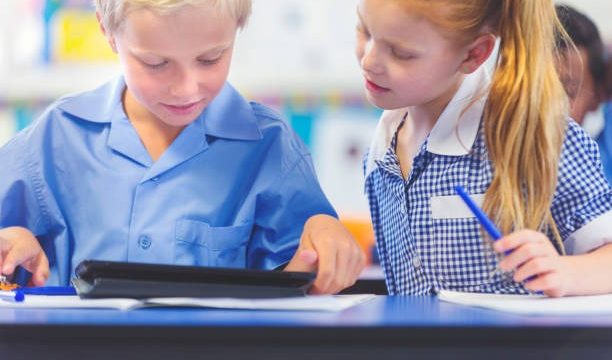
In today’s fast-paced world, the importance of building strong relationships among students cannot be overstated.
Whether in a school setting or during extracurricular activities, fostering connections can enhance the overall educational experience and contribute to personal growth.
Engaging in activities that encourage interaction and cooperation can create a supportive environment, essential for both academic success and emotional well-being.
One of the most enriching ways for students to develop relationships is through collaborative projects. These projects can take many forms, from group presentations to community service initiatives. When students come together to work toward a common goal, they learn to appreciate different perspectives and skills. This collaborative spirit often leads to deeper discussions, shared problem-solving, and a sense of accomplishment that strengthens bonds. As they navigate challenges together, students not only develop their academic skills but also build trust and camaraderie.
Participating in team sports is another fantastic avenue for students to forge meaningful connections. The essence of sports lies in teamwork, and being part of a team fosters a sense of belonging. Whether it’s basketball, soccer, or even a less traditional sport, students learn to rely on each other. They celebrate victories together and support one another through defeats. The shared experiences of training and competing can create lasting friendships, as students discover the value of cooperation and mutual encouragement.
Artistic endeavors can also be a gentle yet powerful way to cultivate relationships. Engaging in activities such as theater, music, or visual arts allows students to express themselves while collaborating with peers. In a drama club, for instance, students might bond over rehearsals, character development, and the thrill of performing. This shared creativity fosters a unique connection, as students learn to appreciate one another’s talents and perspectives. The vulnerability that comes with artistic expression can create a safe space for deeper conversations, enhancing friendships.
Outdoor adventures provide another rich opportunity for relationship-building. Activities like hiking, camping, or even participating in environmental clean-up projects encourage students to step outside their comfort zones. Nature has a way of bringing people together, and shared experiences in the great outdoors often lead to laughter, storytelling, and a sense of unity. These moments can become cherished memories, reinforcing the ties between students as they navigate the challenges and joys of nature together.
Encouraging students to engage in volunteer work can also significantly impact their ability to connect with others. When students participate in community service, they not only give back but also learn about empathy and understanding. Working alongside peers to address community needs fosters a sense of shared purpose. These experiences often spark conversations about values and beliefs, allowing students to connect on a deeper level. The act of helping others cultivates a sense of gratitude and appreciation for the diverse backgrounds and experiences of their fellow students.
Another wonderful way to enhance relationships is through book clubs or discussion groups. These settings provide a platform for students to share their thoughts and opinions in a relaxed environment. As they explore different genres and themes, they can engage in meaningful conversations that promote understanding and respect for differing viewpoints. The simple act of discussing a book can open doors to deeper connections, as students find common ground and explore new ideas together.
Mindfulness and wellness activities can also play a significant role in nurturing relationships among students. Engaging in practices such as yoga, meditation, or even simple breathing exercises can create a calming atmosphere that encourages open communication. When students participate in these activities together, they often feel a sense of peace and connection, which can lead to more heartfelt interactions. Sharing moments of mindfulness allows students to support each other emotionally, fostering a sense of community and trust.
Incorporating cultural exchange activities can further enrich the relationship-building process. By sharing traditions, customs, and languages, students can learn about each other’s backgrounds, fostering appreciation and respect. Cultural events, such as international days or potluck lunches, provide a platform for students to celebrate diversity and strengthen bonds. These experiences can lead to friendships that transcend cultural differences, enhancing the overall school environment.
As students navigate their educational journeys, it’s essential to create spaces where they feel comfortable and valued. Encouraging peer mentoring or buddy programs can help foster relationships among students of different ages or backgrounds. These programs allow older students to share their experiences and wisdom while younger students gain insights and support. The connections formed in these settings can be incredibly rewarding, as students learn from one another and grow together.
Ultimately, the activities that help students build strong relationships are those that emphasize collaboration, empathy, and shared experiences. Whether through sports, arts, community service, or simply spending time together, the connections formed during these activities can have a lasting impact. As students learn to support and uplift one another, they create a nurturing environment that enhances their overall well-being and academic success.
In a world that often feels disconnected, fostering strong relationships among students is more important than ever. The bonds formed through shared experiences can lead to a supportive network that lasts long after graduation. By encouraging participation in diverse activities, educators and parents can help students navigate their social landscapes with confidence and compassion. In doing so, we not only enrich their educational journey but also prepare them for a future where strong relationships are the foundation of a fulfilling life.