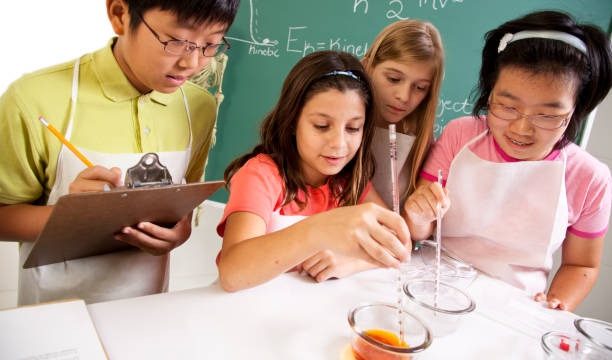
Encouraging independent learning in children is a wonderful journey that can lead to lifelong skills and knowledge.
With the right educational resources, you can create an environment that fosters curiosity, creativity, and a love for learning.
This approach not only nurtures academic growth but also helps children develop confidence and self-reliance.
Creating a nurturing environment is the first step toward encouraging independent learning. Children thrive in spaces where they feel comfortable and inspired. Consider setting up a cozy reading nook filled with books, or a well-organized study area equipped with art supplies and educational tools. The idea is to cultivate a space that invites exploration and experimentation. When children have access to a variety of resources, they are more likely to take the initiative to learn on their own.
One effective way to promote independent learning is through the use of diverse educational resources. Libraries, both physical and digital, are treasure troves of knowledge. Encourage your child to explore the stacks, discover new authors, and delve into subjects that pique their interest. Many libraries also offer online platforms where children can access e-books, audiobooks, and even educational videos. This variety allows them to engage with content in a way that resonates with their individual learning styles.
In addition to libraries, consider integrating technology into your child’s learning experience. Educational apps and websites can provide interactive and engaging platforms for exploration. Look for resources that offer games, quizzes, and creative challenges related to subjects your child enjoys. The key is to strike a balance between screen time and hands-on activities, ensuring that technology enhances rather than replaces traditional learning methods.
A gentle shift toward a project-based approach can also be beneficial. Encourage your child to undertake small projects that align with their interests. Whether it’s building a model, creating a scrapbook, or researching a topic, these projects can ignite a passion for learning. Provide them with the necessary materials and resources, but allow them the freedom to navigate their projects independently. This fosters problem-solving skills and encourages them to take ownership of their learning journey.
Incorporating the outdoors into the learning experience can be incredibly enriching. Nature is a fantastic classroom, offering lessons in science, art, and even physical education. Encourage your child to explore their surroundings, observe wildlife, or even start a small garden. These experiences not only enhance their understanding of the world but also foster a sense of wonder and curiosity. Field trips to museums, historical sites, or nature reserves can further ignite their interest in various subjects.
Creating a routine that includes time for independent learning can also help cultivate a sense of responsibility. Setting aside specific times for reading, research, or project work can instill a sense of discipline while giving children the structure they need. However, it’s important to remain flexible. Allowing your child to choose how they spend their independent learning time can lead to more meaningful engagement. Encourage them to set their own goals and reflect on their progress. This self-assessment can be a powerful motivator.
Another important aspect is to model independent learning yourself. Share your own interests and pursuits with your child. Talk about the books you’re reading, the projects you’re working on, or the new skills you’re learning. This not only demonstrates the value of lifelong learning but also shows them that it’s okay to explore new things. Engaging in discussions about what you’ve learned can create a shared experience that deepens your bond while encouraging them to pursue their own interests.
As children embark on their independent learning journeys, it’s essential to celebrate their achievements, no matter how small. Acknowledgment can be a powerful motivator. Whether they’ve completed a book, mastered a new skill, or simply explored a new topic, take the time to recognize their efforts. This positive reinforcement can help build their confidence, encouraging them to continue seeking knowledge independently.
Involving your child in the selection of educational resources can also enhance their engagement. Take them to bookstores or browse online together to find materials that resonate with their interests. This collaborative approach not only empowers them but also provides an opportunity for you to discuss various topics and ideas. It can lead to enriching conversations that deepen their understanding and curiosity.
As your child develops their independent learning skills, it’s important to remain supportive without being overbearing. Offer guidance when needed, but allow them the space to navigate challenges on their own. This balance fosters resilience and helps them develop critical thinking skills. Encourage them to ask questions and seek answers, reinforcing that learning is a lifelong process filled with both triumphs and setbacks.
Ultimately, the goal of encouraging independent learning is to cultivate a love for knowledge that lasts a lifetime. By providing a rich array of educational resources, creating a supportive environment, and celebrating their achievements, you can help your child embark on a fulfilling journey of discovery. As they learn to explore and engage with the world around them, they will develop not only academic skills but also a sense of autonomy and confidence that will serve them well in all aspects of life.
In this ever-evolving world, the ability to learn independently is an invaluable asset. By fostering this skill in your child today, you are equipping them with the tools they need to navigate their future with curiosity, creativity, and confidence. As they grow, they will carry the joy of learning with them, ready to embrace new challenges and opportunities that come their way.