In recent years, the landscape of education has undergone a remarkable transformation, with online learning taking center stage in the classroom experience.
This shift has not only changed the way students learn but has also redefined the role of educators and the environment in which learning occurs.
As we navigate this new terrain, it’s essential to explore how online learning is reshaping the traditional classroom and what this means for students, teachers, and the future of education.
A gentle evolution in learning environments
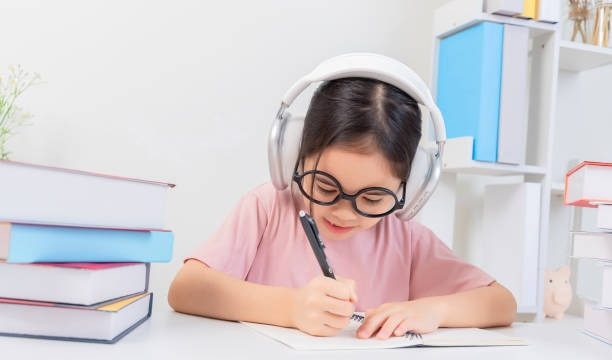
The rise of online learning has created a more inclusive and flexible educational landscape. Students no longer need to be confined to a physical classroom to engage with their studies. This flexibility allows them to learn at their own pace, catering to individual learning styles and needs. Whether it’s through video lectures, interactive quizzes, or virtual discussions, the digital realm offers a plethora of resources that can enhance understanding and retention.
Moreover, the ability to access materials anytime and anywhere empowers students. Imagine a student who struggles with a particular subject. Instead of feeling lost in a traditional classroom setting, they can revisit lectures and resources as often as needed, fostering a more personalized learning experience. This shift not only nurtures academic growth but also encourages a sense of autonomy and responsibility in students.
A new role for educators
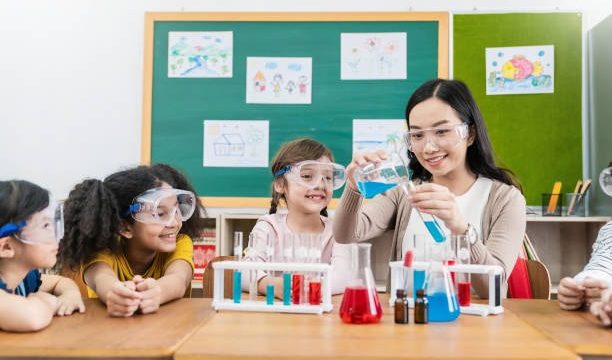
With the integration of online learning, the role of educators is evolving. Teachers are no longer just the primary source of knowledge; they are becoming facilitators of learning. This transition allows them to focus on fostering critical thinking, creativity, and collaboration among students.
In this new paradigm, educators can guide discussions and encourage exploration rather than simply delivering information. They can create vibrant online communities where students feel comfortable sharing ideas and asking questions. This collaborative spirit nurtures a sense of belonging and encourages students to take an active role in their education.
A focus on well-being
The mental health and well-being of students have become increasingly important in the conversation about education. Online learning offers a unique opportunity to address these concerns. For some learners, the traditional classroom can be overwhelming, leading to anxiety and stress. The flexibility of online education can alleviate some of this pressure, allowing students to create a learning environment that feels safe and comfortable.
Additionally, online resources can provide students with tools to manage their well-being. From mindfulness apps to virtual counseling services, the digital world offers a variety of ways for students to prioritize their mental health. By integrating these resources into their learning experience, students can develop essential life skills that extend beyond academics.
A bridge to global connections
One of the most exciting aspects of online learning is the potential for global connectivity. Students can now collaborate with peers from different countries, sharing perspectives and experiences that enrich their education. This exposure to diverse cultures and ideas fosters empathy and understanding, skills that are vital in our increasingly interconnected world.
Imagine a classroom where students from various backgrounds come together to work on a project. They can share insights about their cultures, discuss global issues, and learn from one another in real-time. This collaborative approach not only enhances academic learning but also prepares students to be compassionate and informed global citizens.
A pathway to lifelong learning
The integration of online learning into education is not just about adapting to current circumstances; it’s about fostering a culture of lifelong learning. As technology continues to evolve, the ability to learn online will be an invaluable skill that students carry with them throughout their lives.
This shift encourages a mindset that values curiosity and continuous growth. Students are learning that education doesn’t stop after graduation; it’s a lifelong journey. With the wealth of online resources available, the world becomes their classroom, and they can pursue their interests and passions at any stage of life.
A small shift toward balance
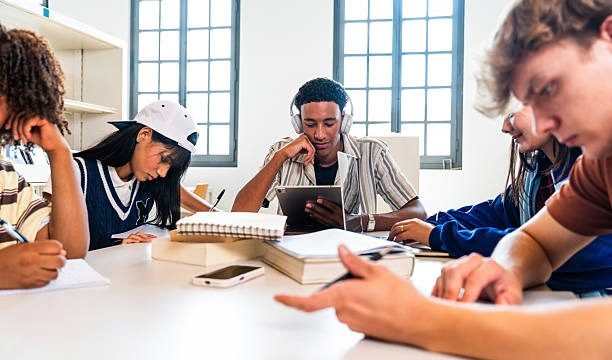
While the benefits of online learning are numerous, it’s important to acknowledge the challenges that come with it. The shift to digital platforms can sometimes lead to feelings of isolation or disengagement. Striking a balance between online and in-person interactions is essential for fostering a well-rounded educational experience.
Educators and institutions are beginning to recognize the importance of this balance. Hybrid models, which combine online learning with in-person classes, are emerging as a solution. These models allow students to benefit from the flexibility of online education while still enjoying the social and collaborative aspects of traditional classrooms.
As we embrace this new era of education, it’s crucial to remain mindful of the human element. While technology can enhance learning, it’s the connections between students and educators that truly make a difference. By fostering relationships built on trust, respect, and understanding, we can create an educational environment that nurtures both academic success and emotional well-being.
Looking ahead
The future of education is bright, with online learning playing a pivotal role in shaping the classroom of tomorrow. As we continue to adapt and innovate, it’s important to keep the focus on what truly matters: the growth and development of students as individuals.
By embracing the possibilities that online learning offers, we can create a more inclusive, engaging, and supportive educational experience for everyone. This journey is not just about technology; it’s about cultivating a love of learning that lasts a lifetime. As we move forward, let’s celebrate the changes that online learning brings while remaining committed to nurturing the human connections that lie at the heart of education.