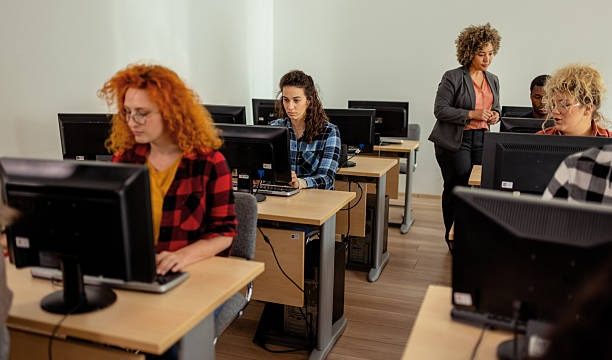
In a world that seems to be constantly evolving, the way we learn has also transformed significantly.
E-learning, with its vast array of resources and flexibility, has emerged as a powerful tool that enhances study efficiency and productivity.
The charm of online education lies not just in its convenience, but also in the myriad ways it can adapt to individual learning styles and lifestyles.
One of the most appealing aspects of e-learning is its inherent flexibility. Traditional classroom settings often impose rigid schedules that may not align with everyone’s personal obligations or learning preferences. With e-learning, students can engage with material at their own pace, choosing when and how long to study. This adaptability allows learners to integrate their educational pursuits seamlessly into their daily lives, leading to a more balanced approach to both study and personal responsibilities.
A small shift toward balance can have a remarkable impact on productivity. When learners are not confined to a specific classroom environment, they can create a study space that feels comfortable and conducive to their unique needs. Whether it’s a cozy corner of their home or a favorite café, the right environment can foster a sense of calm and focus. E-learning encourages this personalization, allowing students to curate their surroundings to enhance concentration and motivation.
Moreover, the vast resources available through e-learning platforms can cater to various learning styles. Some individuals absorb information best through visual aids, while others may prefer auditory learning or hands-on activities. Online education offers a plethora of multimedia resources, from videos and podcasts to interactive quizzes and discussions. This rich variety not only keeps learners engaged but also helps them grasp complex concepts more effectively. When students can interact with content in a way that resonates with them, their retention and understanding often improve significantly.
Another noteworthy advantage of e-learning is the accessibility it provides. No longer are students limited by geographical boundaries or institutional restrictions. With just a device and an internet connection, learners can tap into courses offered by renowned institutions and experts from around the globe. This democratization of education means that anyone, regardless of their location or background, has the opportunity to advance their knowledge and skills. Such inclusivity can lead to a more diverse and enriched learning experience, as students engage with different perspectives and cultures.
As learners become more autonomous, e-learning encourages the development of self-discipline and time-management skills. In a traditional classroom, the structure is often provided by instructors and set schedules. However, online education requires students to take charge of their own learning journeys. This shift can be empowering, fostering a sense of responsibility and ownership over one’s education. By learning to set goals, prioritize tasks, and manage their time effectively, students can cultivate skills that extend far beyond the academic realm.
In addition to enhancing personal responsibility, e-learning also promotes collaboration in new and exciting ways. Many online platforms facilitate group work and discussions, allowing students to connect with peers from diverse backgrounds. These interactions can lead to meaningful conversations, shared insights, and collaborative projects that enrich the learning experience. Engaging with others not only enhances understanding but also builds a sense of community among learners, which can be particularly valuable in an online environment where isolation may sometimes be a concern.
Technology plays a crucial role in the e-learning experience, and it continues to evolve. Innovative tools such as artificial intelligence and adaptive learning technologies are emerging, allowing for even more personalized educational experiences. These advancements can assess a learner’s progress and adjust the content accordingly, ensuring that each individual can advance at their own pace. The result is a tailored educational journey that can lead to greater efficiency and productivity.
Of course, while e-learning offers numerous benefits, it’s important to approach it with a mindful attitude. The convenience of studying from anywhere can sometimes lead to distractions, making it easy to lose focus. To maintain productivity, learners may find it helpful to establish a routine that includes designated study times and breaks. By creating a structured schedule, individuals can enjoy the flexibility of e-learning while still ensuring they stay on track with their studies.
As we reflect on the ways e-learning enhances study efficiency and productivity, it becomes clear that this mode of education is more than just a trend; it is a pathway to a more personalized and engaging learning experience. By embracing the flexibility, accessibility, and innovative resources available, students can take control of their educational journeys and cultivate skills that will serve them well into the future.
In conclusion, e-learning is not merely a substitute for traditional education; it is a transformative approach that aligns more closely with the varied lifestyles and learning preferences of today’s students. As we continue to navigate this digital age, embracing e-learning can lead to not only improved academic performance but also a greater sense of balance and fulfillment. The journey of learning is unique for each individual, and with the right tools and mindset, it can be both efficient and enriching.