Education is often viewed as the key that unlocks the door to a successful future.
As students navigate their way through the complexities of learning, they are not just acquiring facts and figures; they are also developing a toolkit of skills, values, and perspectives that will serve them in the years to come.
In a rapidly changing world, the role of education becomes even more significant, offering a foundation that prepares students for the myriad challenges and opportunities that lie ahead.
A nurturing environment
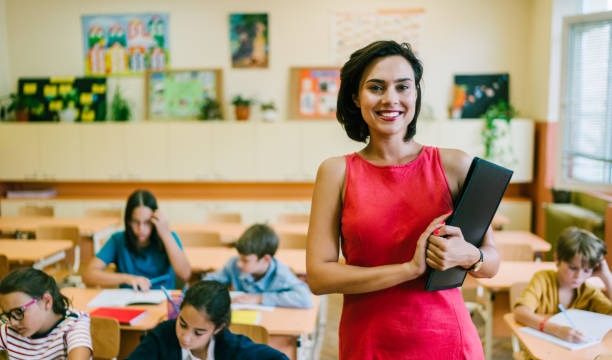
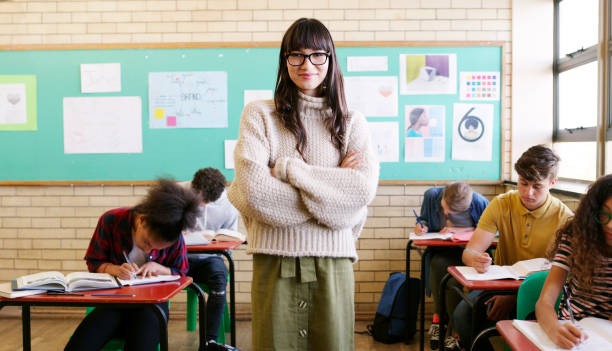
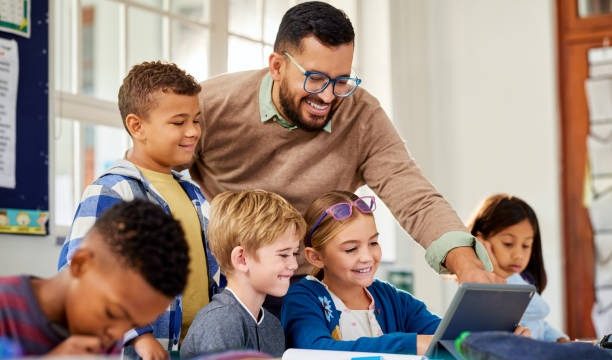
The essence of education goes beyond textbooks and exams; it thrives in the nurturing environment of classrooms where curiosity is encouraged, and creativity is celebrated. Educators play a vital role in this process, guiding students not only in academic subjects but also in personal development. This holistic approach fosters a sense of belonging, helping students to build their self-esteem and confidence. When students feel supported, they are more likely to engage deeply with their learning, which in turn prepares them for collaboration and teamwork in their future endeavors.
Cultivating critical thinking
In today’s world, information is abundant, yet the ability to discern what is valuable and true is essential. Education equips students with critical thinking skills, enabling them to analyze, evaluate, and synthesize information effectively. This skill set is invaluable, as it empowers individuals to navigate the complexities of modern life, from making informed decisions to understanding diverse perspectives. In classrooms that challenge students to think critically, they learn to approach problems with a mindset that values inquiry and reflection, preparing them for a future where adaptability and innovation are key.
Embracing diversity and inclusion
As globalization continues to shape our societies, education serves as a bridge that connects individuals from various backgrounds. Exposure to diverse cultures, ideas, and experiences within the classroom fosters empathy and understanding. Students learn to appreciate differences, which is essential in a world that thrives on collaboration and cooperation. This cultural competence not only enriches their personal lives but also prepares them to work in diverse teams, making them more effective communicators and leaders in the future.
The importance of soft skills
While academic knowledge is critical, soft skills are equally important in preparing students for the future. Skills such as communication, teamwork, emotional intelligence, and adaptability are often cultivated through group projects, presentations, and extracurricular activities. These experiences allow students to practice and refine their interpersonal skills in a supportive environment. As they work together to achieve common goals, they learn the importance of collaboration and the value of diverse viewpoints, equipping them for success in both their personal and professional lives.
Fostering a growth mindset
Education is also instrumental in instilling a growth mindset—an understanding that abilities and intelligence can be developed through dedication and hard work. This mindset encourages resilience, allowing students to embrace challenges and learn from failures. In an ever-evolving job market, the ability to adapt and grow is crucial. By teaching students to view setbacks as opportunities for learning, education prepares them to face future challenges with confidence and determination.
Connecting learning to real-world applications
One of the most effective ways education prepares students for the future is by connecting classroom learning to real-world applications. Project-based learning, internships, and community service initiatives provide students with hands-on experiences that bridge the gap between theory and practice. These opportunities not only enhance their understanding of academic concepts but also allow them to develop practical skills that are highly valued in the workplace. By engaging with their communities and tackling real issues, students learn the importance of civic responsibility and the impact they can have on the world around them.
Nurturing creativity and innovation
In an age where technological advancements are reshaping industries, creativity and innovation have become essential skills. Education encourages students to think outside the box and explore their creative potential. Whether through the arts, science projects, or entrepreneurial initiatives, students are given the freedom to express their ideas and experiment with new concepts. This emphasis on creativity not only enriches their learning experience but also prepares them to approach future challenges with innovative solutions.
The power of lifelong learning
Education instills the value of lifelong learning, an essential mindset in a world that is constantly evolving. As students recognize the importance of staying curious and open to new ideas, they become more adaptable in their careers and personal lives. This commitment to continuous growth and learning ensures that they remain relevant and informed, equipping them to navigate the complexities of the future with ease.
Building resilience and adaptability
The future is unpredictable, and one of the greatest gifts education offers is the ability to build resilience. Through various challenges—academic or otherwise—students learn to cope with stress, manage their time, and persevere through difficulties. These experiences shape their character and prepare them to handle the unexpected twists and turns of life. As they develop adaptability, they become better equipped to face new challenges and embrace change, which is a vital skill in both personal and professional realms.
A holistic approach to well-being
Finally, education plays a crucial role in promoting overall well-being. By integrating social-emotional learning, mindfulness practices, and mental health awareness into the curriculum, educators help students develop a strong foundation for emotional resilience. This holistic approach not only enhances academic performance but also fosters a sense of balance and well-being that students carry with them into adulthood. When students prioritize their mental and emotional health, they are more likely to thrive in their future endeavors.
As we reflect on the profound impact of education, it becomes clear that it is not merely a preparation for a career but a comprehensive journey toward becoming well-rounded individuals. By fostering critical thinking, embracing diversity, nurturing creativity, and promoting a growth mindset, education equips students with the tools they need to navigate an ever-changing world. In this way, education is not just about preparing students for the future; it is about empowering them to shape it.