In today’s fast-paced world, where information is just a click away, the way we learn and absorb knowledge is undergoing a delightful transformation.
Digital worksheets have emerged as a versatile tool in education, providing an interactive and engaging way to enhance learning outcomes.
As we delve into this topic, we’ll explore how these modern learning aids can create a more enriching educational experience for students of all ages.
A gentle shift in learning environments
The traditional classroom setup has long been the cornerstone of education. However, with the advent of technology, we find ourselves at a crossroads, where digital tools are seamlessly integrating into our learning spaces. Digital worksheets serve as a bridge between conventional teaching methods and the innovative demands of the 21st century. They allow educators to present information in a more dynamic format, catering to diverse learning styles.
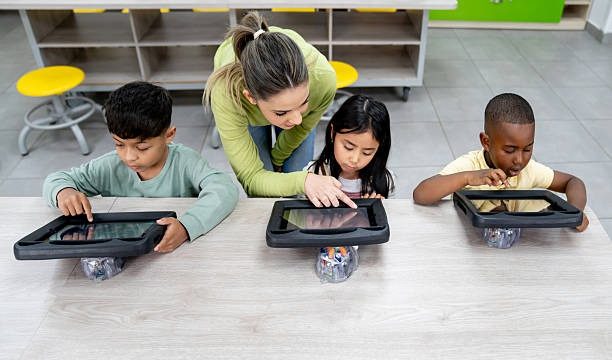
Imagine a student sitting at their desk, not with a stack of paper but with a tablet or laptop, engaging with vibrant graphics, interactive exercises, and real-time feedback. This shift not only captures attention but also fosters a sense of autonomy in learners. When students can interact with their materials, they often feel more invested in their education, leading to improved retention and understanding.
Creating a personalized learning experience
One of the most profound benefits of digital worksheets is their ability to cater to individual learning needs. Every student has a unique pace and style of learning. While some may thrive in a structured environment, others may require a more flexible approach. Digital worksheets allow for this personalization, enabling students to tackle challenges at their own speed.
Educators can design worksheets that adapt to the learner’s level, providing additional support or advanced challenges as needed. This tailored approach not only boosts confidence but also encourages a growth mindset. Students begin to see learning as a journey rather than a destination, embracing challenges and celebrating their progress along the way.
Fostering collaboration and communication
In a world that values collaboration, digital worksheets can play a pivotal role in enhancing communication among students and teachers. Many platforms allow for shared access, meaning students can work together on projects, exchange ideas, and provide feedback to one another. This collaborative aspect mirrors real-world scenarios, preparing students for future teamwork in their careers.
Furthermore, digital worksheets often come with built-in features that allow teachers to track progress and provide timely feedback. This immediate interaction can be incredibly motivating for students. Instead of waiting days for grades, learners can receive insights that help them adjust their approach in real time. This creates a supportive learning environment where students feel seen and heard.
Encouraging creativity and critical thinking
Another remarkable aspect of digital worksheets is their potential to ignite creativity and critical thinking. Traditional worksheets often focus on rote memorization and basic comprehension. In contrast, digital formats can incorporate multimedia elements, such as videos, interactive quizzes, and simulations, that challenge students to think critically and creatively.
For instance, a science worksheet could include a virtual lab where students experiment with different variables and observe outcomes. This hands-on experience not only reinforces theoretical concepts but also encourages students to ask questions, hypothesize, and draw conclusions. Engaging with learning materials in such a dynamic way cultivates a deeper understanding and appreciation for the subject matter.
A nurturing approach to assessment
Assessment is a crucial component of the learning process, but it can often feel daunting for students. Digital worksheets can transform this experience into something more positive and constructive. By incorporating formative assessments, educators can provide ongoing evaluations that focus on growth rather than simply assigning grades.
These assessments can be designed to be low-stakes, allowing students to explore their understanding without the fear of failure. This nurturing approach helps to build resilience and encourages students to take risks in their learning. When mistakes are viewed as opportunities for growth, students become more willing to engage deeply with the material.
Balancing screen time with mindfulness
While the benefits of digital worksheets are numerous, it’s essential to maintain a balance between screen time and offline activities. Mindfulness in education is increasingly emphasized, encouraging students to take breaks and engage in self-reflection. Incorporating digital worksheets into a broader learning strategy that includes hands-on activities, discussions, and physical movement can create a well-rounded educational experience.
Encouraging students to step away from screens for a moment can foster a deeper connection with the material. Whether it’s through journaling their thoughts, discussing concepts with peers, or engaging in outdoor activities, these moments of reflection can enhance their understanding and retention of knowledge.
The future of learning
As we look toward the future, the integration of digital worksheets in education is likely to expand. With advancements in technology, we can anticipate even more immersive and interactive learning experiences. Virtual reality, artificial intelligence, and gamification are just a few trends that could further revolutionize how students engage with their studies.
However, at the heart of this evolution is the understanding that education is not solely about content delivery. It’s about fostering a love of learning, encouraging curiosity, and nurturing the whole student. Digital worksheets, when used thoughtfully, can be a powerful tool in achieving these goals, helping to create a more vibrant and effective learning environment.
In conclusion, digital worksheets represent a gentle yet significant evolution in the way we approach education. They offer a canvas for creativity, a platform for collaboration, and a means of personalizing the learning experience. As we embrace these tools, we move closer to a future where education is accessible, engaging, and tailored to the needs of every learner. By nurturing this shift, we can inspire a generation of learners who are not just informed but also empowered to make a difference in the world.