In the heart of every classroom lies the potential for discovery and growth.
It is a space where young minds can flourish, but nurturing that potential requires more than just textbooks and lectures.
Engaging students in activities that encourage them to explore ideas can transform their learning experience, making it more vibrant and meaningful. These activities not only spark curiosity but also foster critical thinking, creativity, and collaboration among students.
Creating a nurturing environment is the first step toward encouraging exploration. When students feel safe and supported, they are more likely to take risks in their learning. A friendly atmosphere, where questions are welcomed and ideas are shared freely, sets the stage for meaningful exploration. Teachers can cultivate this environment by actively listening to their students, validating their thoughts, and encouraging them to express their opinions. A simple smile or a nod can go a long way in making students feel valued and understood.
One effective way to encourage exploration is through project-based learning. This approach allows students to dive deep into a subject that interests them, working on projects that have real-world applications. For instance, a group of students could choose to explore renewable energy sources. They might research different types of energy, conduct experiments, and even create models to demonstrate their findings. This hands-on experience not only helps them grasp complex concepts but also ignites their passion for learning. The collaborative nature of project-based learning encourages students to share their ideas and learn from one another, creating a rich tapestry of knowledge and creativity.
Another engaging activity is the use of open-ended questions. By presenting students with questions that do not have a single correct answer, teachers invite them to think critically and explore various perspectives. For example, asking, “What does freedom mean to you?” encourages students to reflect on their personal experiences and beliefs. This kind of inquiry fosters deep discussions and allows students to explore their thoughts in a supportive environment. They can learn from their peers, gaining insights they may not have considered before.
Storytelling can also be a powerful tool in the classroom. When students share their stories or create narratives around a particular theme, they engage their imaginations and explore complex ideas in a relatable way. This could involve writing their own stories, acting them out, or even using digital media to create short films. Storytelling not only enhances their communication skills but also allows them to connect emotionally with the material, making the learning experience more impactful.
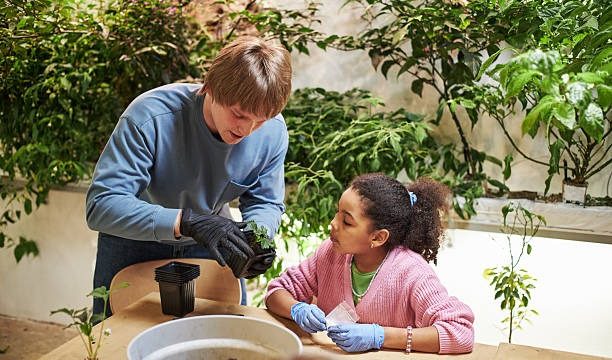
Encouraging exploration can also take the form of hands-on activities, such as science experiments or art projects. These activities allow students to engage with concepts in a tactile way, making learning more dynamic. For instance, a science class could experiment with different materials to understand chemical reactions, or an art class might explore various mediums to express a theme. These experiences help students to see the relevance of their studies in the real world, igniting a sense of curiosity that can lead to lifelong learning.
Incorporating technology into the classroom can further enhance exploration. Digital tools can provide students with access to a wealth of information and resources. They can collaborate with peers from different parts of the world, engage in virtual field trips, or use online platforms to present their findings. This not only broadens their horizons but also equips them with essential skills for the future. As they navigate the digital landscape, students learn to discern credible information and develop their critical thinking skills.
Creating a culture of reflection is another gentle yet effective way to encourage exploration. Allowing time for students to reflect on their learning experiences helps them internalize what they have discovered. Journals or discussion circles can be wonderful platforms for this reflection. Students can share what they learned, what surprised them, and how their ideas have evolved. This practice not only reinforces their understanding but also encourages them to take ownership of their learning journey.
Engaging with the community can also provide students with opportunities to explore ideas beyond the classroom walls. Field trips, community service projects, or guest speakers can introduce students to new perspectives and experiences. For example, a visit to a local museum or a conversation with a community leader can inspire students to think critically about their own roles in the world. These experiences enrich their understanding of the subject matter and help them connect their learning to real-world issues.
As students explore ideas, it is important to celebrate their efforts and progress. Recognizing their achievements, no matter how small, fosters a sense of accomplishment and motivates them to continue exploring. This could be as simple as displaying their work on a bulletin board or providing positive feedback during class discussions. When students see their efforts valued, they are more likely to engage deeply with their learning.
Incorporating mindfulness practices into the classroom can also play a role in encouraging exploration. Taking moments to pause, breathe, and reflect can help students center themselves and approach their learning with clarity and openness. Mindfulness encourages a sense of curiosity and presence, allowing students to be fully engaged in their exploration.
Ultimately, the goal of any classroom activity should be to ignite a passion for learning that lasts a lifetime. By fostering an environment where students feel safe to explore, think critically, and express themselves, teachers can help cultivate a generation of curious individuals eager to discover the world around them. With the right activities, students can learn to embrace their ideas, question the status quo, and embark on a journey of exploration that shapes not only their education but their lives.