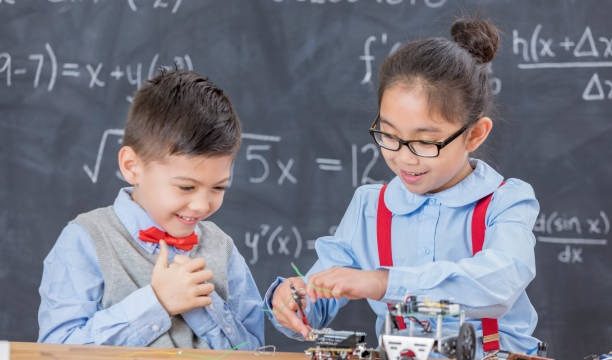
Creating a classroom environment that fosters respectful collaboration can transform the learning experience for students.
In a world where teamwork and communication are increasingly valued, it’s essential to equip young minds with the skills to work together harmoniously.
Here, we explore some engaging activities that inspire students to collaborate respectfully, allowing them to grow not only as learners but as compassionate and understanding individuals.
The power of storytelling
One captivating way to promote collaboration is through storytelling. When students share their personal stories or cultural narratives, they not only express themselves but also invite their peers into their experiences. This activity encourages empathy and understanding, as students learn about the diverse backgrounds and perspectives of their classmates.
To facilitate this, create a cozy corner in the classroom where students can gather. Allow them to take turns sharing their stories, whether they are humorous, inspiring, or even challenging. Encourage active listening, reminding students to respect each speaker by giving them their full attention. This practice fosters a sense of community and helps students appreciate the unique contributions each person brings to the group.
Building bridges through art
Art can serve as a powerful medium for collaboration and respect. Consider organizing a group mural project where students work together to create a piece of art that reflects their collective vision. This activity requires communication, compromise, and creativity, as each student must contribute their ideas and skills to achieve a shared outcome.
As students paint, draw, or collage, encourage them to discuss their thoughts and negotiate how to incorporate each person’s vision into the final piece. This not only promotes respect for differing opinions but also instills a sense of pride in their collaborative effort. When the mural is complete, display it prominently in the classroom as a reminder of what can be achieved when individuals come together with a common goal.
The art of dialogue
Engaging in meaningful dialogue is another essential component of respectful collaboration. To cultivate this skill, consider implementing a “talking circle” in your classroom. In this setup, students sit in a circle and take turns speaking while holding a talking piece—an object that signifies whose turn it is to share. This encourages every student to express themselves while also teaching them the importance of listening.
To guide the conversation, you might introduce thought-provoking questions that prompt reflection and discussion. For instance, ask students to share what respect means to them or how they can support one another in their learning journeys. This practice not only enhances communication skills but also builds a supportive classroom community where every voice is valued.
Exploring cooperative games
Games are a fantastic way to foster collaboration while ensuring that students have fun. Cooperative games, in particular, emphasize teamwork over competition, allowing students to work together toward a common objective. Activities like trust falls, human knot, or group challenges can be both entertaining and enlightening.
As students engage in these activities, they learn to rely on one another, communicate effectively, and appreciate the strengths of their peers. After each game, facilitate a discussion about what they learned regarding collaboration and respect. This reflection helps solidify the lessons learned and encourages students to carry these values into their everyday interactions.
A shared journey of discovery
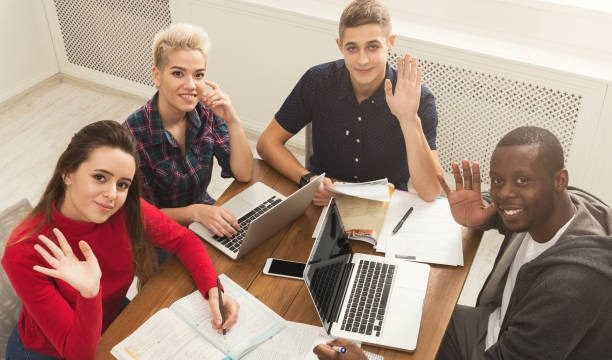
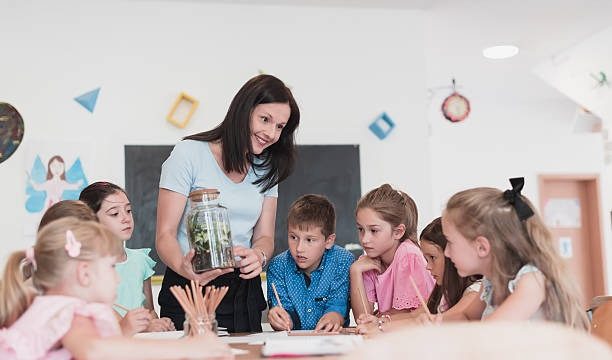
Another enriching classroom activity is to embark on a shared research project. Divide students into small groups and assign them a topic that requires them to collaborate and explore together. Encourage them to divide tasks based on each member’s strengths, fostering a sense of responsibility and teamwork.
As they gather information, remind them to communicate openly, share their findings, and respect each other’s contributions. When they present their research to the class, they will not only demonstrate the knowledge they’ve gained but also showcase the power of respectful collaboration. This activity nurtures critical thinking and helps students understand the importance of working together toward a common goal.
Creating a culture of feedback
Constructive feedback is vital for growth and development, and fostering a culture of respectful feedback in the classroom can significantly enhance collaboration. Encourage students to give and receive feedback in a supportive manner, emphasizing the importance of kindness and respect in their critiques.
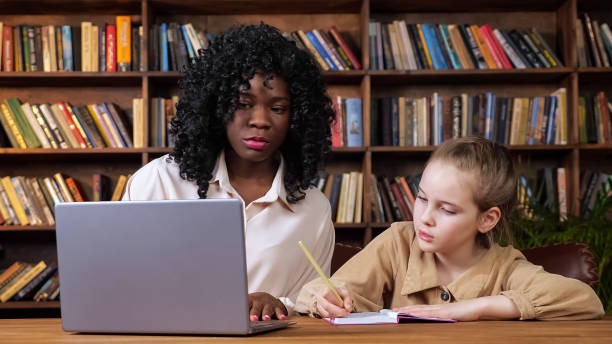
You might introduce peer review sessions, where students share their work and provide constructive suggestions to one another. Teach them to frame their feedback positively, focusing on what works well and offering gentle suggestions for improvement. This practice not only builds mutual respect but also helps students develop their communication skills, preparing them for future collaborative endeavors.
Nurturing emotional intelligence
At the heart of respectful collaboration lies emotional intelligence. To nurture this skill, consider incorporating activities that promote self-awareness and empathy. Journaling, for instance, can encourage students to reflect on their emotions and understand how their feelings impact their interactions with others.
Additionally, discussions around emotions can help students articulate their feelings and recognize the emotions of their peers. This shared understanding fosters a respectful environment where students can collaborate effectively, as they learn to navigate their feelings and those of others with sensitivity.
A lasting impact
As educators, nurturing an environment of respectful collaboration is not just about teaching students how to work together; it’s about equipping them with essential life skills. The activities mentioned above are not merely tasks to check off a list; they are opportunities for students to build meaningful relationships, develop empathy, and cultivate a sense of community.
In a world that often feels divided, instilling the values of respect and collaboration in our classrooms can lead to a brighter, more harmonious future. By engaging in these activities, students not only learn to appreciate one another but also discover the incredible power of working together toward common goals. In doing so, we empower the next generation to create a world where collaboration is celebrated, and respect is the cornerstone of every interaction.