In today’s interconnected world, effective communication is a vital skill for students.
As they navigate through their education, fostering a collaborative environment can significantly enhance their ability to express thoughts, share ideas, and listen to one another.
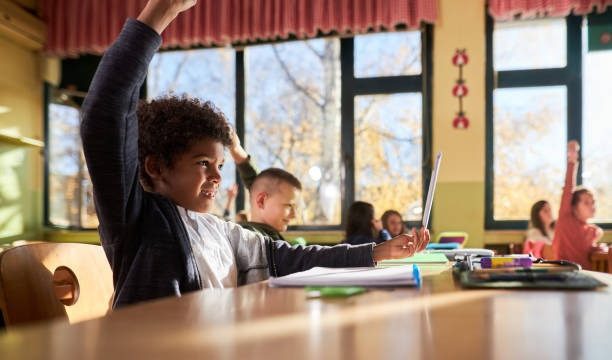
Engaging in classroom activities that promote communication not only boosts academic performance but also nurtures social skills and emotional intelligence. Here, we explore a variety of activities that can help cultivate this essential skill among students.
A gentle approach to conversation
One of the simplest yet most effective ways to improve communication among students is through structured conversation activities. Pairing students up for a “talking circle” can create a comfortable space where they can share their thoughts on a specific topic. Each student takes turns speaking while the others listen attentively. This practice encourages respectful dialogue and helps students develop active listening skills, allowing them to build on each other’s ideas. The topics can vary from personal interests to current events, making it a versatile tool for any classroom setting.
Creating a storytelling environment
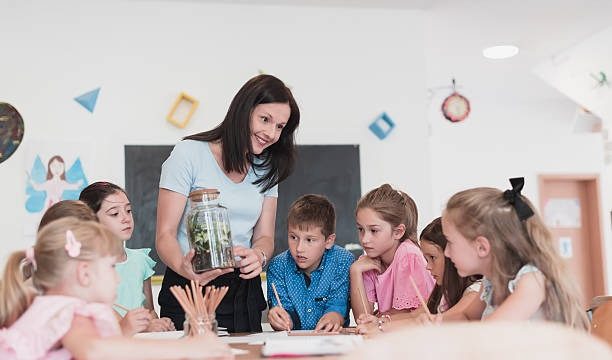
Storytelling is a powerful medium for communication. By inviting students to share personal stories or create fictional tales, teachers can foster a sense of connection among peers. A storytelling session can be informal, where students sit in a circle and share stories, or more structured, with prompts to guide their narratives. This activity not only enhances verbal skills but also encourages empathy as students learn to appreciate diverse perspectives. The act of sharing personal experiences can strengthen bonds and create a supportive classroom community.
Exploring role-playing scenarios
Role-playing can be an engaging way for students to step into each other’s shoes. By simulating real-life scenarios, students can practice communication in various contexts. Whether it’s a mock debate, a negotiation, or a community service project, role-playing allows students to express themselves while considering the viewpoints of others. This activity promotes teamwork and helps students develop problem-solving skills, as they navigate challenges together. Additionally, it can be a fun way to break the ice and ease social anxieties.
Encouraging collaborative projects
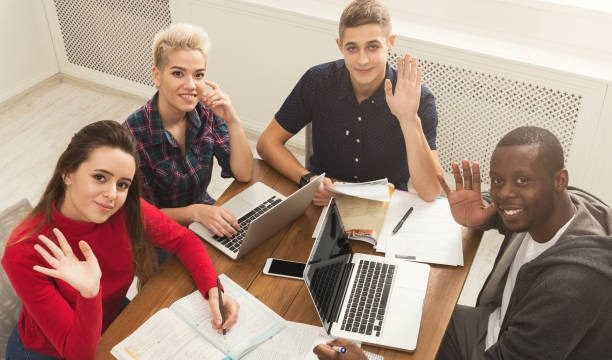
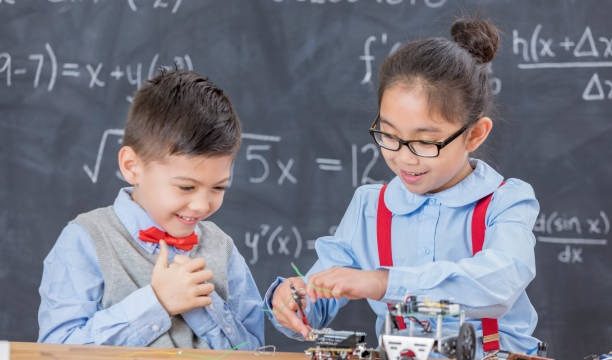
Group projects can serve as an excellent opportunity for students to enhance their communication skills. When students work together towards a common goal, they must discuss ideas, delegate tasks, and provide feedback. This collaborative environment encourages open dialogue and teaches students how to articulate their thoughts clearly. Teachers can guide students in setting ground rules for effective communication, ensuring that everyone feels valued and heard. By reflecting on their group dynamics afterward, students can gain insights into their communication styles and areas for improvement.
Incorporating technology thoughtfully
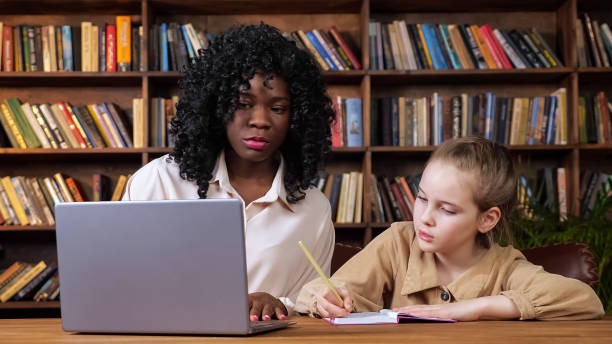
In our digital age, technology can be a powerful tool to facilitate communication. Online discussion boards or collaborative platforms can provide students with a space to express their ideas outside the classroom. Encouraging students to engage in virtual discussions can help them practice articulating their thoughts in writing, while also learning to navigate digital communication etiquette. Teachers can create prompts or questions that stimulate conversation, fostering a sense of community even in a virtual setting. This approach not only enhances communication but also prepares students for the realities of modern workplace interactions.
A small shift toward balance
Mindfulness activities can significantly enhance communication among students. Incorporating practices such as deep breathing, meditation, or simple stretching exercises can help students become more present and attentive in conversations. When students are calm and centered, they are more likely to engage in meaningful dialogue and listen actively to their peers. Teachers can introduce short mindfulness sessions at the beginning or end of class to create a peaceful atmosphere that encourages open communication.
Building trust through team-building exercises
Trust is a cornerstone of effective communication. Engaging students in team-building exercises can help establish a sense of camaraderie and safety within the classroom. Activities such as trust falls, problem-solving challenges, or cooperative games can create opportunities for students to rely on one another. As they navigate these challenges together, students learn to communicate openly and honestly. This foundation of trust allows them to express themselves more freely, fostering a culture of collaboration and support.
Finding common ground through shared interests
Creating opportunities for students to discover shared interests can be a wonderful way to enhance communication. Organizing interest-based clubs or activities can bring together students with similar passions, whether it’s art, science, or sports. When students engage in discussions about topics they are enthusiastic about, communication flows more naturally. This sense of belonging can encourage shy or reserved students to participate more actively, enriching the classroom experience for everyone.
Encouraging reflection and feedback
In any communication-focused activity, reflection plays a key role in growth. After group discussions or projects, encouraging students to share feedback about their experiences can provide valuable insights. This practice not only helps students articulate their thoughts but also teaches them how to give and receive constructive criticism. By fostering a culture of reflection, students can become more aware of their communication styles and learn to adapt to different situations and audiences.
Embracing diversity in communication styles
Every student comes with a unique background and communication style. Embracing this diversity can enrich classroom discussions and activities. Teachers can encourage students to share their cultural perspectives or communication preferences, creating an inclusive environment where everyone feels valued. By acknowledging and celebrating differences, students can learn to communicate more effectively with a wider range of peers.
As we explore these various activities, it becomes evident that fostering communication among students is a multifaceted endeavor. By incorporating these strategies into the classroom, educators can create a nurturing environment that allows students to thrive both academically and socially. Ultimately, the skills they develop today will serve them well in their future endeavors, equipping them to navigate the complexities of interpersonal relationships with confidence and grace.