In the ever-evolving landscape of education, the quest for effective classroom activities that foster a deeper understanding of concepts remains a priority for educators.
As students navigate various subjects, the need for engagement and comprehension becomes ever more essential.
Here, we explore a variety of activities designed to cultivate a richer learning experience, encouraging students not just to memorize facts, but to truly grasp the underlying principles.
Creating a welcoming atmosphere is the first step toward better understanding. A classroom that feels safe and inviting encourages students to express their thoughts and questions freely. When students feel comfortable, they are more likely to engage in discussions, share ideas, and ask for clarification when needed. This openness can be nurtured through simple practices such as starting each class with a brief check-in, allowing students to share something positive or challenging from their day. This small act can create a sense of community and readiness for learning.
Storytelling is a powerful tool that transcends age and subject matter, making it an invaluable classroom activity. By weaving narratives around academic content, educators can help students connect emotionally with the material. For instance, when teaching historical events, framing them within a story can provide context and make the information more relatable. Students can be encouraged to create their own stories based on what they have learned, allowing them to explore the subject in a personal and creative way. This approach not only enhances understanding but also fosters critical thinking and empathy.
Another effective strategy is the use of collaborative learning. When students work together in small groups, they bring diverse perspectives and skills to the table. Group projects can be designed to tackle complex problems or explore subjects in depth, allowing students to learn from one another. This teamwork cultivates communication skills and fosters a sense of accountability, as each member contributes to the group’s success. In addition, collaboration can often lead to deeper discussions, where students clarify concepts and challenge each other’s thinking.
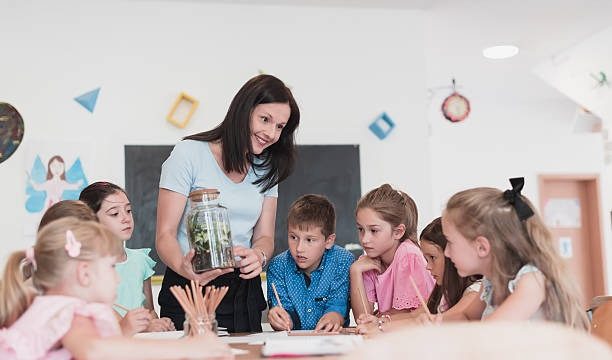
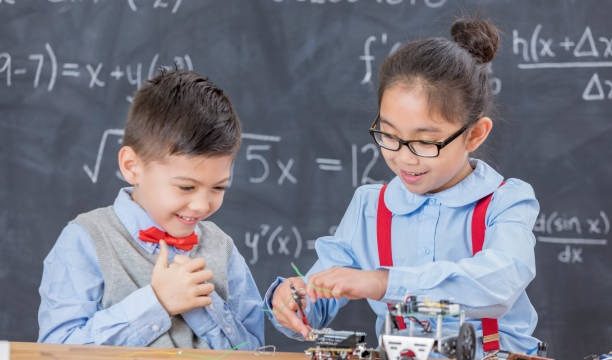
Incorporating hands-on activities can also significantly enhance understanding. Whether it’s through experiments in science class, role-playing in a literature lesson, or building models in history, tactile experiences allow students to apply their knowledge in real-world contexts. These activities can ignite curiosity and passion for learning, as students see the relevance of what they are studying. For instance, a simple science experiment can turn abstract concepts into tangible experiences, making them easier to grasp and remember.
Another gentle shift that can support better understanding is integrating technology into the classroom. Digital tools can provide interactive and dynamic ways for students to engage with content. Online simulations, educational games, and virtual field trips can bring lessons to life, making learning more engaging and accessible. Additionally, technology can cater to different learning styles, allowing students to explore topics at their own pace. However, it is essential to balance screen time with traditional learning methods to create a well-rounded educational experience.
Reflection is a crucial component of deep understanding that is often overlooked. Providing time for students to reflect on what they have learned can reinforce their understanding and help them make connections between different concepts. This could take the form of journal entries, group discussions, or creative projects that allow students to express their insights. Encouraging students to ask themselves questions about their learning can promote metacognition, helping them become aware of their thought processes and learning strategies.
Incorporating art into the curriculum can also serve as a bridge to better understanding. Artistic expression allows students to explore concepts in a way that resonates with them personally. Whether it’s through drawing, painting, or even performing, art can provide a unique avenue for students to process and communicate their ideas. For instance, a student might illustrate a scientific concept, creating a visual representation that helps solidify their understanding. This approach not only makes learning enjoyable but also encourages creativity and critical thinking.
Emphasizing the importance of real-world connections can significantly enhance students’ understanding of academic content. When lessons relate to students’ lives and the world around them, the material becomes more relevant and engaging. Educators can invite guest speakers, organize field trips, or incorporate current events into discussions, allowing students to see the application of their studies. This relevance can spark interest and motivate students to delve deeper into their subjects.
As educators explore various activities to support understanding, it’s essential to recognize the individual needs of students. Differentiation, or tailoring learning experiences to meet diverse needs, can empower students to thrive. This might involve varying the methods of instruction, providing different types of assignments, or offering additional support to those who need it. By honoring each student’s unique learning style and pace, educators can create an inclusive environment that fosters growth and understanding.
Encouraging a growth mindset is another gentle yet powerful way to support understanding. When students believe that their abilities can improve with effort and persistence, they are more likely to embrace challenges and learn from mistakes. Educators can foster this mindset by celebrating effort, providing constructive feedback, and sharing stories of resilience. This shift in perspective can transform the classroom into a space where students feel empowered to explore and deepen their understanding without fear of failure.
Ultimately, the journey toward better understanding in the classroom is a collaborative effort. Educators, students, and even families play vital roles in creating an enriching learning environment. By incorporating a variety of activities that engage students, promote collaboration, and connect learning to the real world, we can nurture a generation of curious, thoughtful, and knowledgeable individuals. Embracing these practices not only enhances academic performance but also instills a lifelong love of learning, setting students on a path to success in all areas of life.