In today’s fast-paced world, the concept of connected learning has emerged as a guiding principle in education.
This approach emphasizes the importance of building relationships, both among students and between students and their learning environments.
When classrooms become spaces of connection, they transform into nurturing communities where individuals thrive. To foster this kind of atmosphere, educators can incorporate a variety of engaging activities that not only impart knowledge but also inspire collaboration, creativity, and a sense of belonging.
One essential aspect of connected learning is the integration of technology in a way that enhances interpersonal relationships. While technology can sometimes isolate individuals, when used thoughtfully, it can bring learners together. For instance, collaborative projects using digital platforms allow students to work on shared goals, regardless of their physical location. Imagine a group of students from different parts of the world collaborating on a research project about climate change. They can share insights, perspectives, and data, enriching their understanding of the topic while building friendships that transcend borders. This not only deepens their learning but also instills a sense of global citizenship.
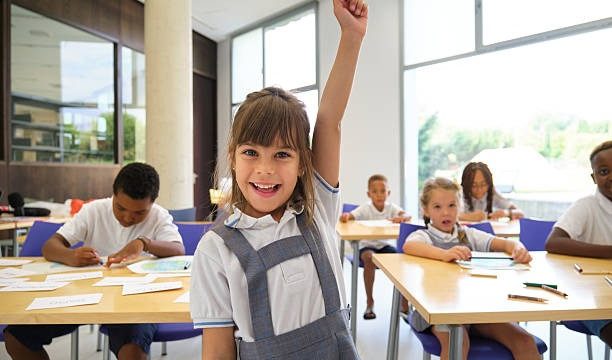
Creating a warm and inviting classroom environment is another crucial element in fostering connected learning. Simple changes, such as rearranging desks into small circles or clusters, can encourage dialogue and collaboration. When students can see each other and engage in face-to-face discussions, they are more likely to share their thoughts and ideas. This arrangement also promotes teamwork, as students work together to solve problems and complete projects. Incorporating comfortable seating, vibrant decorations, and areas for relaxation can further enhance this inviting atmosphere, making the classroom feel like a second home where students feel safe to express themselves.
A small shift toward balance can also be achieved through the introduction of mindfulness activities. Mindfulness practices, such as short meditation sessions or breathing exercises, can help students center themselves and reduce stress. These moments of pause not only improve individual focus but also create a shared experience that fosters connection among classmates. When students practice mindfulness together, they develop a collective sense of calm, which can lead to more meaningful interactions and a stronger classroom community.
Storytelling is another powerful tool that can inspire connected learning. Every student has a unique story to tell, and sharing these narratives in a supportive environment can deepen connections. Educators can create opportunities for students to share their experiences through guided storytelling sessions. This could involve writing personal narratives or participating in storytelling circles where each student has the chance to speak. By listening to one another, students cultivate empathy and understanding, allowing them to appreciate the diversity within their classroom. These shared stories not only enrich the curriculum but also create bonds that can last a lifetime.
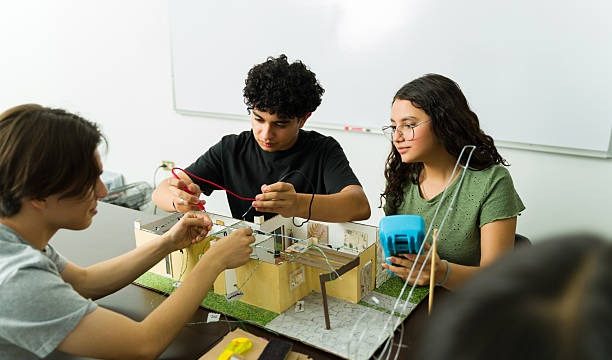
Incorporating project-based learning is a fantastic way to engage students in real-world issues while fostering connections. When students work on projects that matter to them, they become more invested in their learning. By collaborating on community-focused initiatives, such as environmental clean-ups or local history projects, students can see the impact of their efforts. This not only strengthens their connection to the material but also to each other and their community. As they work side by side, they develop teamwork skills and learn to value diverse perspectives, enriching their overall educational experience.
Engaging parents and the wider community is another vital aspect of connected learning. When families and community members are involved in the educational process, students feel a greater sense of support and belonging. Schools can host family nights, where parents and guardians participate in activities alongside their children. These events can include art projects, science experiments, or cultural celebrations, fostering a sense of unity and shared purpose. When families are engaged, students often feel more motivated to learn, knowing that their efforts are supported and celebrated.
Additionally, integrating the arts into the curriculum can enhance connected learning experiences. Art allows for self-expression and creativity, providing students with a unique way to communicate their thoughts and feelings. Whether through visual arts, music, or drama, creative activities can break down barriers and encourage collaboration. For example, a class project that involves creating a mural can bring students together as they brainstorm ideas, design, and execute their vision. This collaborative effort not only results in a beautiful piece of art but also strengthens the bonds between students as they share in the creative process.
Encouraging peer mentorship can also play a significant role in connected learning. When students have the opportunity to mentor one another, they build relationships based on trust and support. Older students can help younger ones navigate academic challenges, while younger students can offer fresh perspectives to their peers. This reciprocal relationship fosters a sense of community and belonging, as students learn from one another and celebrate each other’s successes. By creating a culture of mentorship, educators can ensure that every student feels valued and connected.
Finally, reflecting on experiences together can deepen the connections formed in the classroom. Regular opportunities for reflection, whether through journaling, group discussions, or creative presentations, allow students to process their learning and share their insights. When students articulate their thoughts and feelings, they not only enhance their understanding but also strengthen their relationships with their peers. This collective reflection can create a sense of shared journey, where students feel they are part of something larger than themselves.
In conclusion, the journey toward connected learning is enriched by a variety of classroom activities that inspire collaboration, creativity, and community. By thoughtfully integrating technology, fostering an inviting environment, embracing storytelling, and engaging with the wider community, educators can create a nurturing atmosphere where students thrive. As we continue to explore innovative ways to connect learners, we pave the way for a future where education transcends the classroom, fostering relationships that last a lifetime. In this evolving landscape, the heart of learning remains a shared experience, one that celebrates the unique stories and connections we create together.