Creating an engaging classroom environment can sometimes feel like a daunting task.
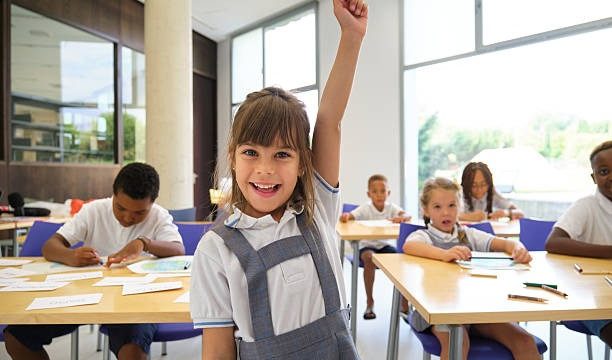
With diverse learning styles and personalities in every room, how can teachers ensure that every student feels included and motivated to participate? Fortunately, there are a variety of fun classroom activities that can encourage student participation while fostering a sense of community.
These activities not only make learning enjoyable but also help students develop essential social skills.
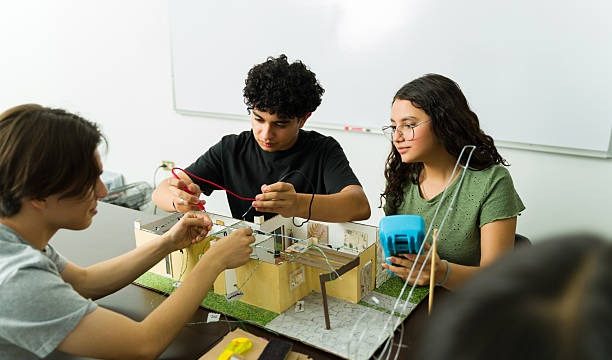
One effective way to promote participation is through collaborative learning. When students work together on a project, they can share ideas, learn from one another, and build friendships. Consider organizing small group discussions around a specific topic related to your curriculum. By allowing students to express their thoughts in a more intimate setting, you create a safe space for them to voice their opinions. This approach can be particularly beneficial for quieter students who might hesitate to speak up in a larger group.
Another playful yet educational activity is role-playing. This method can transform a traditional lesson into an interactive experience. For instance, if you’re teaching a historical event, assign roles to students to act out key figures or scenarios. This not only deepens their understanding of the material but also encourages empathy as they step into someone else’s shoes. The laughter and creativity that often accompany role-playing can break down barriers, making students more willing to engage with one another.
Games can also be a wonderful tool for fostering participation. Incorporating educational games into your lessons can make learning feel more like play. For example, a trivia game related to the subject matter can spark healthy competition and excitement in the classroom. Students are often more inclined to participate when they know that learning can be fun. Additionally, you might consider incorporating technology, such as interactive quizzes or online platforms that allow for real-time participation. These tools can cater to diverse learning preferences while maintaining a lively atmosphere.
Incorporating the arts is another powerful way to encourage student involvement. Artistic activities, such as drawing, painting, or even creative writing, allow students to express themselves in unique ways. You might organize a project where students create visual representations of their understanding of a concept. This not only allows for creativity but also invites students to share their work and explain their thought processes to their peers. The opportunity for students to showcase their talents can instill a sense of pride and boost their confidence.
A gentle shift towards balance can be achieved through mindfulness activities. Starting or ending a class with a few moments of mindfulness can help students feel more centered and ready to participate. Simple breathing exercises or guided meditation can create a calm environment where students feel more at ease. When students are relaxed, they may be more willing to engage in discussions and share their thoughts. This practice not only benefits participation but also promotes overall well-being.
Another engaging approach is to implement “student-led” sessions. Allowing students to take charge of certain lessons or discussions can be incredibly empowering. They might present a topic they are passionate about or facilitate a discussion on a subject of interest. This shift not only encourages participation but also fosters leadership skills. When students see that their voices matter, they are more likely to engage actively in future lessons.
Incorporating movement into your classroom activities can also stimulate participation. A simple stretch or a quick game that requires physical activity can energize students and break the monotony of sitting at desks. Movement helps to increase blood flow and can enhance focus, making students more attentive and involved. Consider activities that require students to move around the classroom, such as a scavenger hunt related to the lesson. This not only makes learning dynamic but also encourages teamwork and communication.
Another effective method is to create a classroom culture that values and celebrates curiosity. Encourage students to ask questions and express their thoughts without fear of judgment. You might introduce a “question box” where students can anonymously submit questions they have about the material. This can lead to meaningful discussions, and students may feel more comfortable participating when they know their inquiries are valued. By fostering a culture of curiosity, you create an environment where students are eager to engage and explore together.
Storytelling can also be a powerful tool for participation. Sharing personal anecdotes or narratives related to the lesson can captivate students’ attention and encourage them to share their own stories. This not only creates a sense of community but also allows students to connect their experiences with the subject matter. When students feel a personal connection to the material, they are more likely to participate actively in discussions.
Finally, acknowledging and celebrating achievements, both big and small, can further enhance student participation. Recognizing students for their contributions, whether through verbal praise or a simple acknowledgment on a bulletin board, fosters a positive atmosphere. This encouragement can boost their confidence and motivate them to engage more fully in future activities.
In conclusion, fostering student participation in the classroom is an ongoing journey filled with creativity and connection. By incorporating collaborative projects, role-playing, games, arts, and mindfulness activities, teachers can create an environment that invites every student to participate. As students feel more connected to their peers and the material, they will likely become more engaged in their learning journey. With a nurturing approach and a variety of fun activities, every classroom can become a vibrant space where students thrive and actively contribute.