In the vibrant world of education, the classroom is more than just a place for lectures and textbooks.
It is a sanctuary of learning, where ideas bloom and connections are formed.
To truly enhance lesson understanding, educators are increasingly turning to engaging activities that inspire curiosity and foster deeper comprehension. Let’s explore some classroom activities that can transform traditional lessons into dynamic experiences.
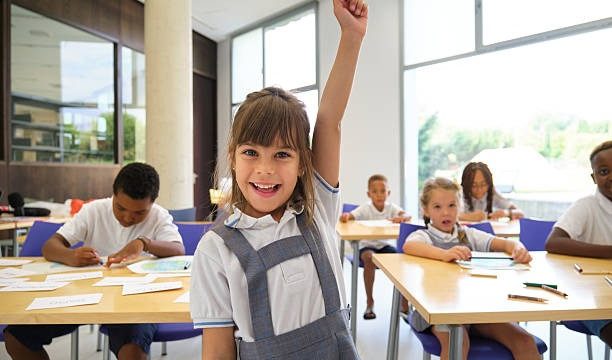
A gentle approach to engagement can make a significant difference. Consider incorporating group discussions, where students can share their thoughts and insights on a topic. This not only allows them to articulate their understanding but also encourages them to listen to diverse perspectives. The beauty of these discussions lies in their organic flow, as students build on each other’s ideas, creating a rich tapestry of knowledge. By fostering an environment where everyone feels comfortable contributing, you cultivate a sense of community and shared learning.
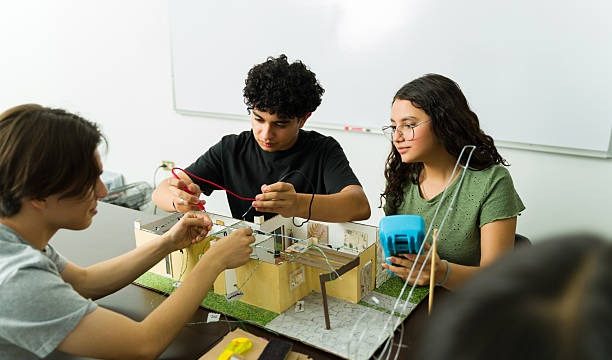
Another effective method is the use of hands-on projects. When students engage in activities that require them to create or manipulate materials, they often find themselves more invested in the subject matter. For instance, a science lesson about ecosystems could be transformed into an exciting project where students design their own miniature habitats. This tactile experience allows them to apply theoretical concepts in a practical way, deepening their understanding while sparking creativity. The joy of building something tangible can lead to a profound sense of accomplishment and pride in their work.
Storytelling is another powerful tool in the educator’s arsenal. By weaving narratives into lessons, teachers can capture students’ imaginations and make complex concepts more relatable. Whether it’s recounting historical events through the eyes of a character or illustrating scientific principles with a captivating tale, storytelling can breathe life into the curriculum. Students are more likely to remember information when it is presented in a narrative format, as our brains naturally gravitate toward stories. This approach not only enhances retention but also nurtures empathy and emotional connections to the material.
Incorporating technology can also elevate the learning experience. Interactive tools, such as educational apps or online simulations, can provide students with immediate feedback and a sense of autonomy in their learning journey. For instance, using virtual reality to explore ancient civilizations or distant planets can transport students beyond the confines of the classroom, making lessons unforgettable. This integration of technology encourages students to take an active role in their education, fostering a sense of ownership that can lead to deeper understanding.
A small shift toward collaboration can also enhance lesson comprehension. Collaborative learning activities, such as peer teaching or group problem-solving, allow students to learn from one another. When students explain concepts to their peers, they reinforce their own understanding while helping others grasp challenging material. This reciprocal teaching dynamic creates a supportive atmosphere where students feel empowered to ask questions and explore topics more deeply. The collective effort can lead to greater insights and a richer learning experience.
Incorporating the arts into lesson plans is another delightful way to enhance understanding. Whether through painting, music, or drama, the arts can provide alternative avenues for expression and comprehension. For example, a lesson on Shakespeare could be enriched by having students perform scenes from his plays, allowing them to immerse themselves in the language and themes. This creative engagement not only makes the material more accessible but also appeals to various learning styles, ensuring that every student has the opportunity to shine.
Mindfulness activities can also serve as a bridge to deeper understanding. Taking a few moments to breathe, reflect, or meditate before a lesson can help students center themselves and focus on the task at hand. This practice can reduce anxiety and create a calm atmosphere conducive to learning. When students are present and engaged, they are more likely to absorb and retain information. A brief mindfulness exercise can be a refreshing way to reset minds and prepare them for the journey of discovery ahead.
Field trips, although sometimes logistically challenging, can create unforgettable learning experiences. Visiting a museum, historical site, or even a local business can provide real-world context to classroom discussions. These excursions allow students to witness concepts in action, making lessons more relevant and impactful. The excitement of exploring new environments can ignite a passion for learning that extends beyond the classroom walls. When students can see how what they learn applies to the world around them, their understanding deepens significantly.
Finally, incorporating reflection into the learning process can be a powerful tool for comprehension. At the end of a lesson, giving students time to think about what they learned and how they can apply it can solidify their understanding. Whether through journaling, group sharing, or creative expression, reflection encourages students to make connections and internalize their knowledge. This practice not only enhances lesson comprehension but also fosters a lifelong love of learning.
In the end, enhancing lesson understanding is about more than just delivering information. It’s about creating an environment where students feel valued, engaged, and inspired. By integrating diverse activities that cater to various learning styles and preferences, educators can cultivate a classroom atmosphere that nurtures curiosity and deeper comprehension. Each small step taken in this direction can lead to significant strides in a student’s educational journey, paving the way for a brighter future filled with knowledge and discovery.