Creating a sense of unity in the classroom is essential for fostering a positive learning environment.
When students feel connected to one another, they are more likely to engage, collaborate, and thrive.
With the right activities, teachers can help cultivate this sense of belonging and teamwork. Here are some gentle ideas that can enhance classroom unity.
A gentle introduction to shared experiences
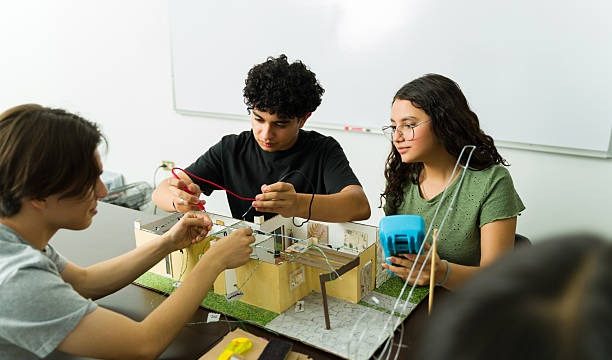
One of the simplest ways to build unity in the classroom is through shared experiences. Activities that encourage students to work together toward a common goal can create lasting bonds. Consider organizing a group project that allows students to collaborate on a topic they’re passionate about. Whether it’s a science experiment or a creative art project, the process of brainstorming and executing the project together fosters teamwork and communication.
Another wonderful idea is to host regular “circle time” gatherings. This informal setting allows students to share their thoughts and feelings in a safe space. During these meetings, students can discuss their day, share successes, or even talk about challenges they face. The act of listening and supporting one another helps to create a supportive community where everyone feels valued.
A small shift toward balance
Incorporating mindfulness activities into the classroom can also enhance unity. Simple practices, such as guided breathing exercises or short meditation sessions, can help students feel more centered and connected to themselves and each other. When students take a moment to pause and reflect, they often find common ground, allowing for deeper connections to form.
Consider introducing a gratitude circle. At the end of each week, invite students to share something they are thankful for, whether it be a supportive friend, a fun activity, or even a favorite book. This practice not only encourages positivity but also allows students to appreciate the contributions of their peers, fostering a sense of belonging.
The power of collaborative games
Games have a unique ability to bring people together, and classroom games are no exception. Choose activities that require teamwork and communication, such as relay races or problem-solving challenges. These games encourage students to rely on one another and develop trust. The laughter and camaraderie that emerge during play create lasting memories and strengthen relationships.
Additionally, consider integrating cooperative learning strategies into your lessons. Activities that require students to work in pairs or small groups can break down social barriers and promote inclusivity. By emphasizing collaboration over competition, students learn to value each other’s strengths and perspectives, creating a more unified classroom atmosphere.
Encouraging creative expression
Art can be a powerful tool for building unity. Organizing a collaborative mural project or a class art exhibit allows students to express their individuality while contributing to a collective masterpiece. When students see their unique contributions come together to form something beautiful, they gain a sense of pride and ownership in their classroom community.
Music can also play a role in fostering unity. Consider hosting a talent show or a sing-along session. These events create opportunities for students to showcase their talents while encouraging support and appreciation among peers. Celebrating each other’s abilities helps to cultivate an environment where everyone feels uplifted and connected.
Nurturing empathy through storytelling
Storytelling is another wonderful avenue for building classroom unity. Encourage students to share personal stories or experiences that have shaped who they are. This practice not only fosters empathy but also allows students to see the common threads that connect them. When students understand each other’s backgrounds and experiences, they are more likely to support one another and develop a strong sense of community.
You might also consider creating a class book where each student contributes a page about themselves. This collaborative project can serve as a cherished keepsake, reminding students of their shared experiences and the bonds they’ve formed.
A focus on service and kindness
Engaging in service projects can also strengthen classroom unity. Organizing a community service day, where students work together to support a local cause, fosters a sense of purpose and teamwork. When students see the impact of their collective efforts, they develop a deeper appreciation for one another and the importance of working together for a common good.
Encouraging small acts of kindness within the classroom can further enhance this sense of community. Create a kindness jar where students can anonymously submit notes recognizing their peers’ positive actions. Taking the time to acknowledge one another’s efforts fosters an atmosphere of support and unity.
Celebrating diversity and inclusion
Building unity in the classroom also involves celebrating diversity. Create opportunities for students to learn about and appreciate each other’s cultures, traditions, and backgrounds. Organizing multicultural days where students can share food, stories, and customs promotes understanding and respect. When students learn about one another’s differences, they are more likely to form connections that transcend those differences.
Fostering an inclusive environment where every student feels welcome and valued is essential for unity. Encourage open discussions about inclusivity and the importance of respecting one another. By creating a culture of acceptance, students can thrive together, creating a harmonious classroom atmosphere.
In conclusion, building classroom unity is a journey that involves patience, creativity, and a commitment to fostering connections. Through shared experiences, collaborative activities, and an emphasis on empathy and kindness, teachers can create a nurturing environment where every student feels valued. As students learn to support one another, they not only grow as individuals but also contribute to a vibrant and united classroom community. By embracing these gentle activities, educators can cultivate a space where unity flourishes, making the classroom a place of joy, learning, and connection.