In today’s ever-evolving educational landscape, encouraging students to think deeply is more crucial than ever.
As educators, we have the unique opportunity to create engaging environments where curiosity flourishes, and critical thinking becomes second nature.
By incorporating thoughtful activities into the classroom, we can inspire students to explore ideas and concepts in richer, more meaningful ways. Here are some gentle yet effective classroom activities that promote deeper thinking.
A nurturing environment for exploration begins with open-ended discussions. These conversations allow students to express their thoughts and opinions freely, fostering a sense of belonging and respect. When students engage in dialogue about a topic, they learn to articulate their ideas and listen to differing perspectives. This not only enhances their understanding but also encourages empathy and collaboration. Consider starting a discussion with a thought-provoking question related to the curriculum. For instance, after reading a story, asking, “What would you have done differently in the character’s situation?” can spark a rich dialogue that dives into moral reasoning and personal values.
Another enriching activity is the use of reflective journaling. By encouraging students to write down their thoughts, feelings, and insights about what they are learning, we invite them to process information on a deeper level. Journaling can serve as a personal space for students to explore their ideas without fear of judgment. This practice not only enhances their writing skills but also helps them connect the dots between various concepts. To guide this activity, teachers can provide prompts that encourage deeper reflection, such as, “What was the most challenging part of today’s lesson, and why?”
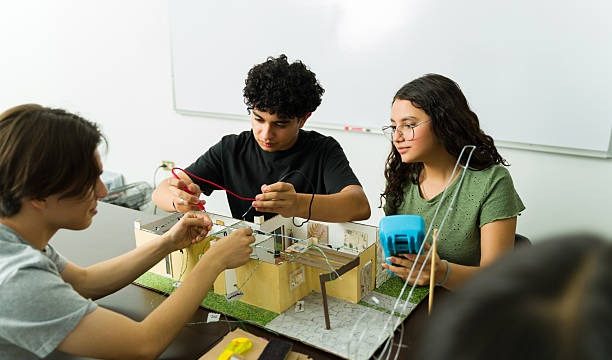
Embracing project-based learning is another wonderful way to cultivate deep thinking. This approach allows students to engage in hands-on projects that require them to investigate real-world problems. By working collaboratively, students learn to apply critical thinking skills and develop solutions. For example, a project on environmental sustainability could involve researching local ecosystems, creating awareness campaigns, and presenting their findings to the community. This not only enriches their knowledge but also fosters a sense of responsibility and connection to the world around them.
Incorporating art into lessons can also be a powerful catalyst for deep thinking. Art encourages creativity and allows students to express complex ideas in unique ways. Whether it’s through painting, drawing, or digital media, students can interpret themes and concepts visually, providing a fresh perspective on the subject matter. For instance, after reading a historical text, students could create a visual timeline or an art piece that represents the emotions of that era. This not only deepens their understanding but also makes learning more enjoyable and memorable.
Encouraging students to engage in peer teaching can also yield profound results. When students take on the role of the teacher, they must thoroughly understand the material to explain it effectively to their classmates. This process often leads to deeper insights and reinforces their learning. Pairing students to teach each other can foster collaboration and build confidence. It also creates a supportive atmosphere where students feel empowered to share their knowledge and learn from one another.
Incorporating literature circles is another gentle yet effective way to encourage deep thinking. In these small groups, students read and discuss a shared text, diving into themes, character development, and the author’s intent. This collaborative approach allows for diverse interpretations and insights, enriching the overall understanding of the text. Literature circles not only promote critical thinking skills but also enhance communication and social skills, as students learn to articulate their thoughts and respond to differing viewpoints.
Exploring simulations and role-playing activities can also provide students with a deeper understanding of complex concepts. By stepping into different roles, students can experience situations from various perspectives. This immersive approach can be particularly effective in subjects such as history or social studies. For example, a mock trial can help students explore legal principles while developing their analytical and public speaking skills. Such activities encourage empathy and critical thinking, as students must consider the viewpoints of others and defend their positions.
Encouraging students to ask questions is perhaps one of the simplest yet most powerful tools for deep thinking. Fostering a culture of inquiry allows students to take ownership of their learning journey. Teachers can model questioning techniques and encourage students to develop their own questions about the material. This not only sparks curiosity but also helps students become more engaged and invested in their learning. Creating a “question wall” in the classroom can serve as a visual reminder of the importance of inquiry and provide a space for students to share their thoughts.
As we guide our students through their learning experiences, it’s essential to remember that the goal is not just to impart knowledge but to ignite a passion for learning. By creating a classroom environment that nurtures curiosity, collaboration, and critical thinking, we set the stage for students to think more deeply about the world around them. These activities not only enhance academic skills but also foster emotional intelligence and resilience, preparing students for the complexities of life beyond the classroom.
In conclusion, the journey toward deeper thinking in the classroom is a collaborative effort that requires intention and creativity. By incorporating open-ended discussions, reflective journaling, project-based learning, and other engaging activities, we can create a rich tapestry of learning experiences. As we nurture our students’ curiosity and critical thinking skills, we empower them to explore, question, and grow into thoughtful individuals ready to make their mark on the world. With patience and encouragement, we can help them discover the joy of learning and the value of thinking deeply.