In today’s fast-paced educational environment, it’s essential to cultivate spaces that inspire creativity and exploration.
Classroom activities designed to encourage creative thinking not only enhance learning but also foster a sense of curiosity and wonder in students.
By incorporating these activities into daily routines, educators can create a nurturing environment where imagination flourishes.
A gentle invitation to imagination
One of the simplest yet most effective ways to spark creativity in the classroom is through storytelling. Storytelling transcends age and subject matter, providing a canvas for students to express themselves. Consider inviting students to create their own stories, either individually or in small groups. This could be as structured as a specific theme or as open-ended as allowing them to choose any topic that resonates with them. As they weave their narratives, encourage them to incorporate various elements like character development, setting, and plot twists. The process not only enhances their writing skills but also allows them to explore their emotions and thoughts creatively.
Art as a form of expression
Art activities can serve as powerful tools for self-expression and exploration. Providing students with a variety of materials—paints, clay, or even recycled items—can inspire them to think outside the box. Consider organizing art sessions where students are free to create without the constraints of traditional guidelines. Encourage them to express their feelings about a particular subject or event through their artwork. This freedom allows for personal expression and can lead to surprising insights and connections among peers. The act of creating art can also serve as a calming and restorative experience, promoting overall well-being.
Engaging with nature
Connecting with nature can be incredibly inspiring for students. Organizing outdoor activities, such as nature walks or garden projects, invites them to explore the world around them. Encourage students to observe their surroundings, collect natural materials, and reflect on their experiences. Perhaps they could create a nature journal, documenting their observations through sketches or written reflections. This connection to the environment not only nurtures creativity but also fosters a sense of responsibility for the world they inhabit. By immersing themselves in nature, students can tap into a wellspring of inspiration that fuels their imaginative pursuits.
Building collaborative projects
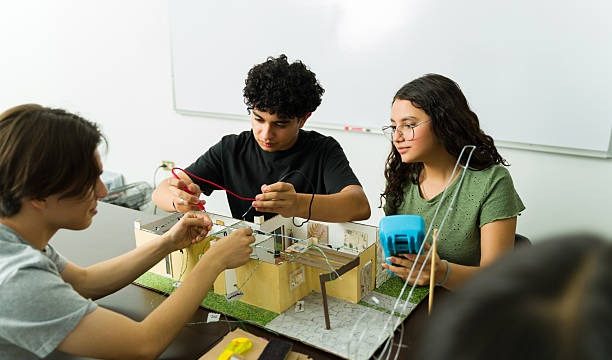
Collaboration can be a rich source of creativity in the classroom. Group projects that require students to work together can lead to a vibrant exchange of ideas and perspectives. Consider assigning tasks that allow for diverse contributions, such as creating a class mural or developing a skit. By engaging in teamwork, students learn to appreciate different viewpoints and find innovative solutions to challenges. This collaborative spirit can transform the classroom into a dynamic space where creativity thrives, and friendships deepen.
A small shift toward balance
Incorporating mindfulness practices into the classroom can also encourage creative exploration. Simple activities like guided breathing exercises or short meditation sessions can help students center themselves and clear their minds. When students feel calm and focused, they are more open to exploring new ideas. After a mindfulness session, invite students to engage in creative activities, such as brainstorming or free writing. The sense of tranquility cultivated through mindfulness can serve as a fertile ground for creativity to blossom.
Exploring different mediums
Encouraging students to experiment with various mediums can open up new avenues for creative expression. Whether it’s through digital tools, music, dance, or theater, each medium offers unique ways to convey thoughts and emotions. Consider integrating technology into your lessons by allowing students to create digital art, compose music, or produce short films. This exposure to different forms of expression can inspire students to find their unique voice and share their stories in ways they may not have previously considered.
Incorporating play into learning
Play is often viewed as a distraction in academic settings, but it can be a powerful catalyst for creativity. Creating opportunities for playful learning can lead to unexpected discoveries and innovations. Activities like role-playing, improvisation, or even educational games can stimulate creativity and problem-solving skills. Allow students the freedom to experiment and explore within these playful frameworks, and watch as their imaginations take flight. Emphasizing the joy of learning through play can foster a lifelong love for exploration.
Creating a supportive environment
The foundation for creative exploration lies in a supportive classroom environment. It’s essential for educators to foster a culture that values creativity, where students feel safe to express their ideas without fear of judgment. Encouraging open dialogue and celebrating each student’s unique contributions can help build confidence and inspire further exploration. By nurturing a community of support, students are more likely to take risks and delve into their creative pursuits.
Encouraging reflection
Finally, integrating reflection into creative activities can deepen students’ understanding of their own creative processes. After completing a project, invite students to share their experiences and insights with the class. This could involve discussing what inspired them, the challenges they faced, and what they learned during the process. Reflection not only enhances self-awareness but also encourages students to appreciate the journey of creativity, rather than focusing solely on the end product.
In conclusion, fostering creative exploration in the classroom is a multifaceted endeavor that can significantly enrich students’ learning experiences. By incorporating activities that inspire storytelling, art, collaboration, and mindfulness, educators can create an environment where creativity thrives. Ultimately, nurturing a culture of exploration helps students develop essential skills and a lifelong passion for learning. Embracing creativity in the classroom is not just about producing artistic works; it’s about cultivating a mindset that values curiosity, resilience, and the joy of discovery.