In the dynamic world of education, fostering leadership skills in students is essential.
Leadership is not merely about holding a position of authority; it’s about inspiring, guiding, and empowering others.
Classroom activities that encourage students to practice leadership can create an enriching environment, one where young minds learn to communicate effectively, collaborate with peers, and develop self-confidence. Here, we explore several engaging activities that can help students embrace their leadership potential.
Creating a culture of collaboration
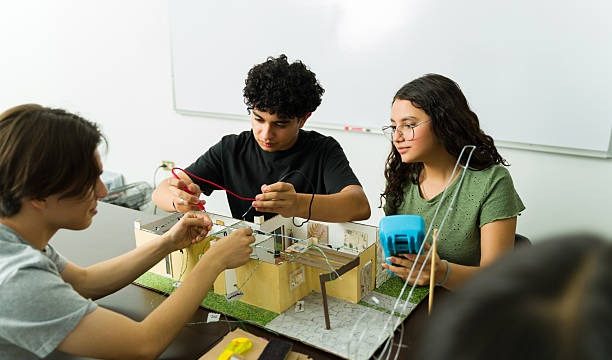
One of the most effective ways to cultivate leadership skills in students is through collaborative projects. When students work together, they learn to navigate different personalities, opinions, and skills. This experience mirrors real-world situations, where teamwork is often crucial to success. Teachers can facilitate group activities that require students to identify a problem, brainstorm solutions, and implement a plan together.
Encouraging students to take on different roles within the group can enhance this experience. For instance, assigning roles such as leader, facilitator, or note-taker allows each student to practice various aspects of leadership. The leader can guide discussions, while the facilitator ensures everyone has a voice. This not only fosters a sense of responsibility but also teaches students to appreciate the contributions of their peers.
Fostering a sense of community
Another impactful activity is community service projects. Engaging students in service to others helps them develop empathy and a sense of social responsibility, both vital traits of effective leaders. By identifying a community need, students can take the initiative to design and implement a project that addresses it. This process encourages them to think critically about the impact of their actions and to work collaboratively toward a common goal.
As they plan and execute their service project, students will naturally step into leadership roles. They will need to communicate their ideas, delegate tasks, and motivate their peers. These experiences not only strengthen their leadership skills but also instill a sense of pride and accomplishment when they see the positive effects of their efforts on the community.
Nurturing communication skills
Effective communication is at the heart of leadership. Activities that promote public speaking can help students build confidence in their ability to express themselves clearly and persuasively. Teachers might consider organizing debate clubs or public speaking contests, where students can practice articulating their thoughts and defending their viewpoints in a supportive environment.
Additionally, incorporating storytelling into the classroom can be a powerful tool. When students share personal stories or experiences, they not only connect with their peers on a deeper level but also learn to convey their messages with authenticity and passion. This practice helps them develop a unique voice, which is essential for any aspiring leader.
Encouraging decision-making
Leadership often involves making tough decisions. To help students hone this skill, teachers can create scenarios that require them to make choices based on varying factors. Role-playing exercises can simulate real-life situations where students must weigh pros and cons, consider consequences, and ultimately decide on a course of action. This not only helps them practice decision-making but also encourages critical thinking and problem-solving.
By discussing the outcomes of their decisions as a class, students can learn from one another’s experiences. This reflective practice fosters a growth mindset, allowing them to understand that mistakes are opportunities for learning rather than failures.
Promoting creativity and innovation
Leadership also thrives on creativity and innovation. Encouraging students to think outside the box can help them develop their unique leadership style. Activities such as brainstorming sessions or design challenges allow students to explore new ideas and solutions. They can work together to create something novel, whether it’s a product, a campaign, or a solution to a problem they’ve identified.
In these creative environments, students learn to embrace risks and view challenges as opportunities for innovation. They also gain valuable experience in collaboration, as they share ideas and build on each other’s strengths. This not only enhances their leadership skills but also fosters a sense of community and trust among peers.
Emphasizing self-reflection
Leadership is not just about guiding others; it also involves self-awareness and reflection. Activities that encourage students to reflect on their experiences and behaviors can be transformative. Journaling is a simple yet effective way for students to process their thoughts and feelings. By regularly writing about their experiences, they can identify their strengths and areas for improvement.
Teachers can also facilitate group discussions where students share their reflections on leadership experiences. This creates a safe space for students to express their feelings and learn from each other. Through these conversations, they can explore what leadership means to them and how they can embody those qualities in their everyday lives.
Celebrating achievements
Finally, recognizing and celebrating achievements, both big and small, can significantly boost students’ confidence and motivation. Creating a classroom culture that acknowledges effort and progress encourages students to take on leadership roles. Whether it’s through a simple shout-out during class or a more formal recognition ceremony, celebrating accomplishments reinforces the idea that leadership is a journey filled with growth and learning.
As students see their peers being recognized for their contributions, they are inspired to step up and take initiative themselves. This positive reinforcement creates an uplifting atmosphere where students feel empowered to lead, knowing their efforts will be valued.
In conclusion, cultivating leadership skills in the classroom is a journey that involves various engaging activities. Through collaboration, community service, effective communication, decision-making, creativity, self-reflection, and celebration, students can explore and develop their leadership potential. These experiences not only prepare them for future challenges but also create a nurturing environment where they can grow into compassionate, confident leaders. Embracing these practices can transform classrooms into vibrant spaces of learning and growth, paving the way for future generations to lead with integrity and purpose.