In today’s fast-paced world, the ability to think critically and apply knowledge to real-life situations is more important than ever.
As educators, we have the unique opportunity to inspire students not just to learn, but to connect that learning to the world around them.
By incorporating classroom activities that encourage real-world thinking, we can help students develop skills that will serve them well beyond the school walls.
Creating connections between classroom lessons and real-life applications can be as simple as reimagining traditional activities in a new context. For instance, when teaching mathematics, instead of using abstract problems, consider presenting students with scenarios that reflect daily life, such as budgeting for a family outing or planning a community event. These activities not only engage students but also highlight the practicality of the concepts they are learning.
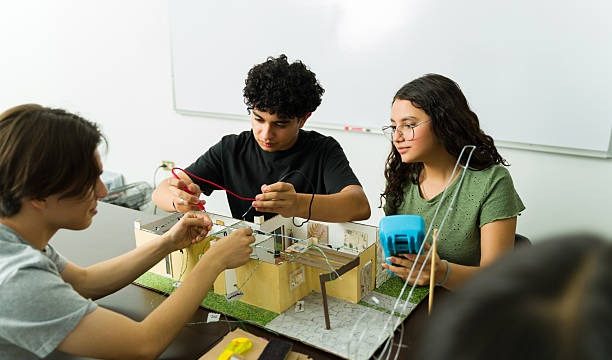
One effective way to foster real-world thinking is through project-based learning. This approach allows students to immerse themselves in projects that require them to research, collaborate, and create. Imagine a group of students tasked with designing a sustainable garden for their school. They would need to learn about ecosystems, soil types, plant growth, and even budgeting for supplies. This kind of hands-on project encourages students to think critically and creatively, as they must navigate challenges and make decisions that reflect real-world constraints.
Another engaging activity involves role-playing different professions. By stepping into the shoes of various careers, students can develop empathy and understanding for the challenges and responsibilities that come with each role. For example, a lesson on the judicial system can be transformed by allowing students to enact a mock trial. This not only makes the learning process enjoyable but also helps students appreciate the complexities of law and justice.
Incorporating technology in the classroom can also bridge the gap between theoretical knowledge and practical application. Students can use various tools and platforms to create presentations, conduct surveys, or even start a blog. For instance, a history lesson could culminate in students creating a digital timeline that showcases significant events and their impacts on society. This not only hones their research and presentation skills but also empowers them to share their findings with a broader audience.
Field trips can provide invaluable experiences that enhance classroom learning. Visiting local businesses, museums, or community organizations allows students to see firsthand how concepts are applied in the real world. After a trip to a local farm, for example, students could engage in discussions about food production, sustainability, and the importance of supporting local economies. These experiences can spark curiosity and inspire students to think critically about their own roles in the larger community.
Service learning is another powerful approach that connects classroom lessons with real-world issues. By participating in community service projects, students can apply their knowledge to address genuine needs within their community. Whether it’s organizing a food drive or volunteering at a local shelter, these activities foster a sense of responsibility and encourage students to think about how they can make a difference. Reflecting on these experiences in the classroom can deepen their understanding and motivate them to continue seeking ways to contribute positively to society.
Incorporating current events into classroom discussions is a gentle yet effective way to cultivate real-world thinking. By exploring news articles, debates, or documentaries, students can connect their academic learning to ongoing global issues. This practice encourages them to analyze information, form opinions, and articulate their thoughts in a respectful manner. It also prepares them to be informed citizens who can engage thoughtfully with the world around them.
Another approach is to invite guest speakers from various fields to share their experiences and insights with students. Hearing firsthand accounts from professionals can ignite passion and curiosity. For instance, a scientist discussing climate change can inspire students to think critically about environmental issues and consider their roles in fostering sustainability. These interactions can open students’ eyes to the myriad possibilities available to them in their future careers.
Encouraging collaboration among students can also enhance real-world thinking. Group projects or discussions promote teamwork and communication skills, essential components in any workplace. When students work together to solve a problem or complete a task, they learn to appreciate diverse perspectives and develop solutions that may not have emerged in isolation. This collaborative spirit mirrors the dynamics of the real world, where working harmoniously with others is often key to success.
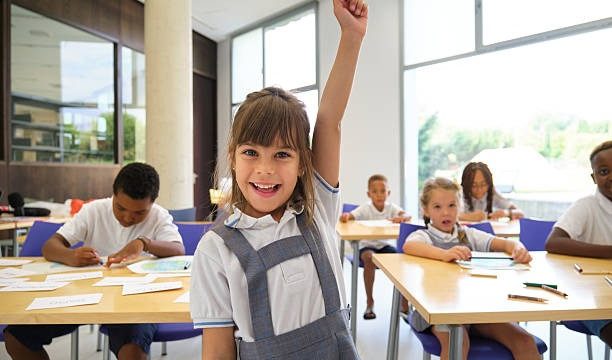
As we strive to cultivate real-world thinking in our classrooms, it’s important to create an environment that encourages curiosity and exploration. Allowing students to ask questions, express their ideas, and pursue their interests fosters a love of learning that extends beyond the classroom. Encouraging them to pursue independent projects or research topics they are passionate about can lead to deeper engagement with the material.
Ultimately, the goal is to equip students with the skills and mindset they need to navigate the complexities of life. By integrating real-world thinking into classroom activities, we empower students to become critical thinkers, problem solvers, and compassionate citizens. They will leave school not just with knowledge, but with the confidence to apply that knowledge in meaningful ways.
In this journey of education, every small shift makes a difference. By embracing these classroom activities, we can inspire the next generation to think not just about what they learn, but how they can use that learning to make a positive impact in their communities and the world at large. As educators, we have the privilege of guiding students on this path, helping them discover the beauty of learning that transcends textbooks and classroom walls.