In the vibrant world of education, fostering curiosity among students is akin to nurturing a delicate plant.
It requires the right environment, gentle encouragement, and engaging activities that spark interest and enthusiasm.
In today’s classroom, where the traditional methods of learning can sometimes feel rigid, it is essential to incorporate activities that not only educate but also ignite a sense of wonder. Let’s explore some delightful classroom activities that can enhance student curiosity and transform their learning experience.
One of the most effective ways to stimulate curiosity is through hands-on exploration. Imagine a science lesson where students can engage in simple experiments that allow them to observe reactions firsthand. Instead of merely reading about the properties of water, why not let them freeze it, boil it, and even mix it with different substances? This tactile approach invites students to ask questions like, “What happens if we add salt?” or “Why does ice float?” Encouraging them to hypothesize and then test their theories nurtures not only their curiosity but also their critical thinking skills.
Another engaging activity is the integration of storytelling into various subjects. Stories have a magical way of capturing attention and making complex ideas relatable. A history lesson can come alive when students are encouraged to create their own narratives about historical figures or events. By stepping into the shoes of someone from the past, they are not just learning dates and facts; they are exploring motivations, emotions, and the broader human experience. This imaginative engagement invites students to wonder about the lives of others and the world around them, fostering a deeper connection to the material.
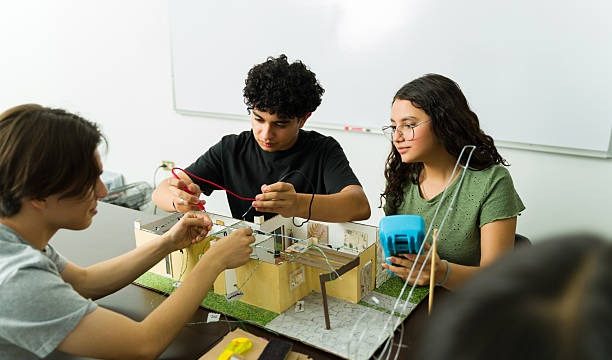
Art can also serve as a powerful medium to boost curiosity. Incorporating creative projects into lessons allows students to express their understanding in unique ways. For instance, in a geography class, students might create dioramas of different ecosystems, blending creativity with research. This hands-on project encourages them to delve into questions about biodiversity, climate, and geography while allowing their imaginations to flourish. When students see the tangible results of their creativity, it can spark further inquiry and exploration.
Field trips, when possible, can be a delightful way to broaden the horizons of student curiosity. Visiting a local museum, botanical garden, or even a factory can provide a wealth of real-world experiences that textbooks simply cannot offer. These excursions often lead to spontaneous questions and discussions that drive curiosity. For instance, a trip to a science museum might inspire a student to wonder about the mechanics behind a particular exhibit, leading to a classroom investigation upon their return. Field trips can transform ordinary lessons into extraordinary experiences, igniting a passion for learning that lasts well beyond the classroom walls.
Creating a classroom environment that encourages questions is also essential. Establishing a “curiosity corner” where students can post their questions or topics of interest can be a wonderful way to foster a culture of inquiry. This space becomes a visual representation of their curiosity, prompting discussions and explorations based on their interests. Teachers can then incorporate these questions into lesson plans, demonstrating that student input is valued and that learning is a collaborative journey.
Incorporating technology can further enhance curiosity among students. Interactive educational tools and online resources provide endless opportunities for exploration. For example, virtual reality experiences can transport students to ancient civilizations or distant planets, allowing them to immerse themselves in learning in a way that feels both thrilling and informative. By leveraging technology, educators can cater to various learning styles and interests, making lessons more engaging and relevant to today’s digitally-savvy students.
Encouraging collaborative projects can also stimulate curiosity. When students work together, they share ideas, challenge each other’s thinking, and inspire one another to dig deeper. Group assignments that require research and presentation not only build teamwork skills but also create an environment where questions thrive. As students bounce ideas off one another, they may discover new angles and perspectives that spark even more curiosity. This collaborative spirit fosters a sense of community within the classroom, making learning a shared adventure.
A gentle shift in perspective can also be beneficial. Encouraging students to view challenges as opportunities for growth can help cultivate a curious mindset. Instead of fearing mistakes, students can be taught to embrace them as stepping stones to deeper understanding. By normalizing the process of inquiry—where not knowing the answer is just as valuable as knowing it—educators can help students develop resilience and a thirst for knowledge.
Finally, celebrating curiosity and learning milestones can reinforce a positive attitude toward exploration. Recognizing students’ efforts in pursuing their interests, whether through presentations, projects, or even casual conversations, can empower them to continue asking questions and seeking answers. Acknowledgement of their curiosity creates a supportive environment where students feel free to express themselves and explore new ideas.
In nurturing curiosity within the classroom, we are not merely teaching subjects; we are shaping inquisitive minds ready to explore the world. By incorporating hands-on activities, storytelling, art, field trips, technology, collaboration, and a culture of inquiry, educators can create an enriching environment that encourages students to wonder, question, and discover. In this vibrant space of exploration, curiosity becomes not just a fleeting moment but a lifelong journey of learning. As students embark on this adventure, they will learn that the world is full of mysteries waiting to be unraveled, and their curiosity is the key to unlocking them.