In today’s fast-paced educational environment, nurturing creativity in the classroom has become more important than ever.
Creativity not only enhances students’ learning experiences but also fosters critical thinking, problem-solving skills, and emotional intelligence.
By incorporating creative activities into daily lessons, teachers can create a vibrant atmosphere that encourages self-expression and engagement. Here, we explore a variety of classroom activities designed to inspire creativity and infuse joy into the learning process.
One simple yet effective way to spark creativity is through storytelling. Encouraging students to create their own stories can be a delightful experience. This can be done through individual or group projects, where students illustrate their narratives with drawings or even digital media. By allowing them to choose their themes and characters, you give them the freedom to express their ideas in unique ways. Moreover, storytelling can be tied to other subjects, such as history or science, making it an interdisciplinary approach to learning.
Another engaging activity is collaborative art projects. These projects provide a wonderful opportunity for students to work together, fostering teamwork and communication skills. Whether it’s creating a mural that represents their school values or designing a sculpture from recycled materials, the possibilities are endless. Such activities not only enhance creativity but also teach students the importance of collaboration and respecting diverse perspectives. When students see their individual contributions come together to form a cohesive piece of art, it builds a sense of community and shared achievement.
Incorporating music and movement into the classroom is another delightful way to encourage creativity. Activities such as rhythm games or dance breaks can invigorate the learning environment. For example, you might introduce a lesson on rhythm by having students create their own beats using classroom objects or their bodies. This not only makes learning fun but also stimulates different parts of the brain, enhancing memory retention. Furthermore, integrating music and movement can help students express their emotions and reduce stress, contributing to their overall well-being.
Another effective method to foster creativity is through hands-on science experiments. By allowing students to explore concepts through interactive activities, you provide them with a canvas for experimentation and discovery. For instance, a simple project like growing plants can lead to discussions about ecosystems, biology, and even art, as students can create garden designs and document their growth through drawings or photography. This approach encourages curiosity and critical thinking, as students learn to ask questions and seek answers in their explorations.
The importance of play cannot be overstated when it comes to nurturing creativity. Incorporating games that require strategic thinking or imaginative play can inspire students to think outside the box. Activities such as role-playing or improvisational theater allow students to step into different characters and scenarios, fostering empathy and creativity. These experiences help students develop their imaginations while also enhancing their communication skills.
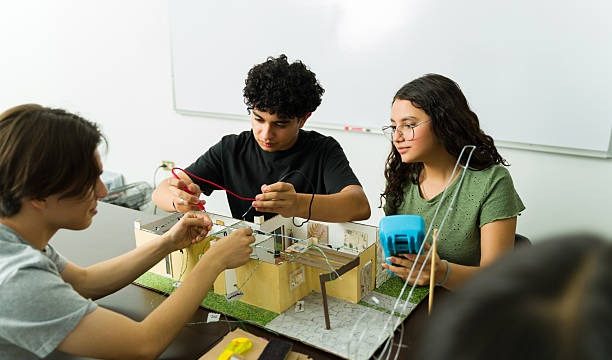
Creating a “maker space” in the classroom can also be a transformative experience. This designated area allows students to engage in hands-on projects, whether it’s building with Legos, crafting with natural materials, or experimenting with technology. By providing access to various tools and materials, you empower students to explore their interests and create projects that reflect their passions. This space encourages a culture of innovation and experimentation, where failure is viewed as a stepping stone to success.
Integrating literature into creative activities can also be a powerful tool. After reading a book, students can express their understanding and feelings through various mediums such as art, drama, or even music. For instance, they might create a visual representation of a character’s journey or perform a scene from the story. This not only deepens their comprehension but also allows them to connect emotionally with the material, enhancing their overall learning experience.
Another gentle yet effective approach is to incorporate mindfulness and reflection into your classroom activities. Encouraging students to take a few moments to breathe and reflect on their feelings can create a more positive learning environment. This practice can be tied to creative activities by asking students to visualize their ideas before they begin working on a project. Such moments of reflection can enhance focus and creativity, allowing students to approach their tasks with a sense of calm and clarity.
As the day winds down, consider introducing a creative journaling activity. Allowing students to express their thoughts and feelings in a journal can be a therapeutic exercise. They can write, draw, or even collage their experiences, dreams, and reflections. This practice not only nurtures creativity but also encourages emotional literacy. By giving students a space to articulate their thoughts, you help them develop a deeper understanding of themselves and their creative processes.
In conclusion, bringing creativity into the classroom is not just about adding fun activities; it’s about creating an environment where students feel safe to express themselves. By incorporating storytelling, collaborative art, music, hands-on science experiments, play, maker spaces, literature, mindfulness, and journaling, educators can foster a culture of creativity that enriches the learning experience. Ultimately, when students are encouraged to think creatively, they become more engaged, motivated learners who are better prepared to navigate the complexities of the world around them. Embracing creativity in the classroom is a gift that not only enhances academic success but also nurtures a lifelong love of learning.