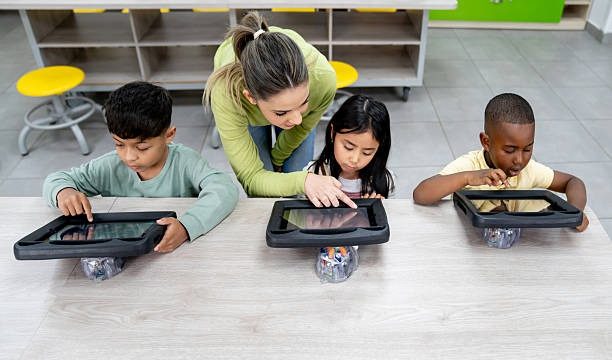
In a world where technology and education blend more seamlessly than ever, skill-based learning games have emerged as a delightful way to engage young students.
These games, often designed to be interactive and fun, provide a unique opportunity for children to learn essential skills while playing.
This approach to education not only helps in developing cognitive abilities but also fosters social interactions and emotional growth.
The beauty of skill-based learning games lies in their ability to create an environment where learning feels less like a chore and more like an adventure. Children are naturally curious, and when they can explore new concepts through play, they are more likely to retain information and develop a love for learning. Whether it’s through puzzles, role-playing games, or even digital platforms, the possibilities for skill development are endless.
Exploring the landscape of skill-based games reveals a variety of options tailored to different interests and age groups. For instance, board games that encourage critical thinking or card games that enhance memory skills can be wonderful tools for young minds. These games often require players to strategize, collaborate, and think on their feet, allowing them to practice decision-making in a safe and enjoyable context.
As technology has advanced, digital learning games have gained popularity. These games, available on tablets and computers, often incorporate captivating storylines and appealing graphics that draw children in. Many of these platforms adapt to individual learning paces, giving students the chance to master skills without the pressure of traditional classroom settings. This personalized approach can be particularly beneficial for children who may struggle with conventional learning methods.
A small shift toward balance can make a significant difference in how children engage with learning. By incorporating skill-based games into their daily routines, parents and educators can cultivate a more balanced approach to education. For instance, setting aside specific times for game play can ensure that children remain engaged while also allowing for breaks from more structured learning. This balance helps to prevent burnout and encourages a positive attitude toward education.
Social skills are another essential area that skill-based games can enhance. Many games require teamwork, communication, and negotiation. When children play together, they learn to express their thoughts and feelings, listen to others, and work collaboratively toward a common goal. These interactions not only build friendships but also teach valuable life skills that will serve them well into adulthood.
It’s important to remember that the objective of these games is not solely about winning or losing. Instead, the focus should be on the process of learning and growing. Encouraging children to reflect on their experiences during gameplay can help them understand the importance of perseverance, resilience, and adaptability. This reflective practice allows them to transfer these skills to other areas of their lives, reinforcing their overall development.
For parents looking to incorporate more skill-based learning games into their children’s lives, the options are abundant. Visiting local toy stores or browsing online can uncover a treasure trove of games designed to promote various skills, from math and literacy to problem-solving and creativity. However, it’s essential to choose games that align with your child’s interests and developmental stage, ensuring that they are both engaging and appropriately challenging.
Creating a dedicated space for game play can also enhance the experience. A cozy corner with comfortable seating, good lighting, and easy access to games can make all the difference. This inviting atmosphere can encourage children to embrace learning through play, making it an enjoyable part of their daily routine.
As we navigate the complexities of modern education, it’s crucial to recognize the importance of play in learning. Skill-based games provide a wonderful avenue for children to explore new concepts, develop essential skills, and build lasting friendships. By embracing this playful approach, we can help foster a generation of learners who are not only knowledgeable but also adaptable, creative, and resilient.
In conclusion, the integration of skill-based learning games into the lives of young students offers a holistic approach to education. These games provide an engaging way for children to develop critical thinking, social skills, and emotional intelligence. By encouraging a playful atmosphere, we can nurture a love for learning that extends beyond the classroom. As parents and educators, let’s celebrate the joy of learning through play and support our children in their educational journeys, ensuring they grow into well-rounded individuals ready to embrace the world around them.