In the ever-evolving landscape of education, the importance of collaboration within the classroom has never been more pronounced.
As educators strive to prepare students for a world that increasingly values teamwork and cooperative problem-solving, incorporating activities that foster collaborative projects is essential.
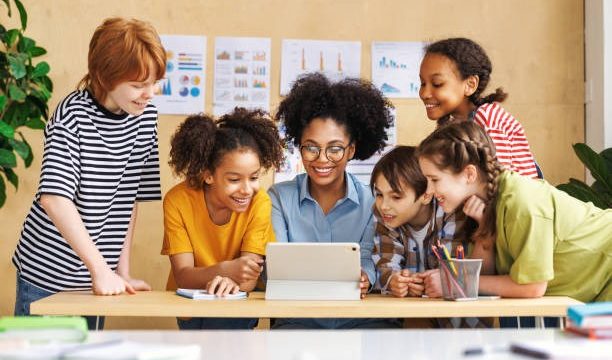
These activities not only enhance learning but also create a sense of community among students, encouraging them to engage with one another in meaningful ways.
When we think about collaborative learning, it often brings to mind group projects or team assignments. While these are certainly valuable, the essence of collaboration is much broader. It’s about creating an environment where students feel comfortable sharing ideas, taking risks, and supporting one another. By weaving collaborative activities into the fabric of daily classroom life, teachers can cultivate a culture of cooperation that extends beyond academic tasks.
One of the most effective ways to nurture collaboration is through creative storytelling. Imagine a classroom where students gather in small groups to craft a story together. Each student contributes their own ideas, characters, and plot twists, and as they discuss and negotiate, they learn to listen and appreciate diverse perspectives. This simple yet powerful activity not only sparks imagination but also fosters communication skills. As students navigate through their collective narrative, they practice articulating their thoughts and responding to others, all while building a shared sense of ownership over the story they create.
Another engaging activity that supports collaborative projects is the art of peer teaching. When students take on the role of teacher, they deepen their understanding of the subject matter while also enhancing their collaboration skills. For instance, after learning about a specific topic, students can work in pairs or small groups to prepare a mini-lesson for their classmates. This not only reinforces their knowledge but also encourages them to explain concepts clearly and adapt their teaching style to suit different learning preferences. As they prepare, students must discuss their approaches, share resources, and practice patience and empathy—qualities that are essential for effective teamwork.
Incorporating technology can also elevate collaborative activities in the classroom. Digital platforms like shared documents and collaborative tools allow students to work together in real-time, regardless of their physical location. A group project can evolve into a dynamic experience as students brainstorm ideas, edit each other’s work, and provide feedback instantly. Utilizing technology not only prepares students for a digital future but also teaches them the importance of clear communication and accountability in a team setting.
The beauty of collaborative projects lies in their ability to blend learning with fun. Consider a classroom where students engage in a scavenger hunt that requires teamwork to solve clues and complete challenges. This activity encourages collaboration as students must communicate effectively, delegate tasks, and rely on each other’s strengths to succeed. Such experiences not only make learning enjoyable but also create lasting memories and friendships, reinforcing the idea that collaboration can be both educational and entertaining.
Creating a classroom environment that celebrates diversity is another cornerstone of effective collaboration. When students come together from various backgrounds, they bring unique perspectives and experiences to the table. Activities that promote cultural exchange, such as sharing traditions or cooking together, can be a wonderful way to build understanding and respect among classmates. By encouraging students to embrace each other’s differences, teachers can foster an inclusive atmosphere that enhances collaboration and mutual support.
As students engage in collaborative projects, it’s essential to provide opportunities for reflection. After completing an activity, bringing the class together to discuss what worked well and what could be improved helps students think critically about their collaborative experiences. This practice encourages them to articulate their feelings and thoughts about teamwork, reinforcing the idea that collaboration is a skill that can always be refined. By creating a safe space for such discussions, teachers empower students to take ownership of their learning journey.
The role of educators in facilitating collaborative activities is crucial. It requires a gentle guiding hand, one that encourages exploration while also providing structure. Teachers can create a framework for collaboration by setting clear expectations and providing resources, while also allowing students the freedom to express themselves and take initiative. This balance between guidance and autonomy fosters an environment where students feel confident in their abilities to work together.
As we consider the myriad of ways to support collaborative projects in the classroom, it’s important to remember that the ultimate goal is to cultivate a sense of community. When students learn to collaborate effectively, they not only enhance their academic skills but also develop social and emotional competencies that will serve them throughout their lives. The friendships and partnerships formed during these collaborative endeavors can lead to a supportive network that extends beyond the classroom walls.
In conclusion, the journey toward fostering collaboration in the classroom is both rewarding and enriching. By incorporating a variety of engaging activities that promote teamwork, communication, and understanding, educators can create a vibrant learning environment. These experiences not only help students achieve academic success but also prepare them for a future where collaboration is key. As they learn to work together, share ideas, and celebrate each other’s strengths, students embark on a path that leads to lifelong learning and meaningful connections. In nurturing these collaborative skills, we are not just preparing students for their next project; we are preparing them for a world where cooperation and empathy are paramount.