Creating a lab manual that effectively organizes experiments can be a transformative experience for both educators and students.
It’s more than just a collection of procedures; it’s a guide that fosters curiosity and encourages exploration.
A well-structured manual serves not only as a reference but also as a source of inspiration, making the learning process more engaging and enjoyable.
Here are some gentle insights on how to create an organized and effective lab manual.
Finding your flow
When embarking on the journey of organizing experiments in a lab manual, the first step is to define the purpose of the manual itself. Consider the audience—are you writing for high school students, college undergraduates, or perhaps even graduate students? Understanding who will use the manual helps in determining the level of detail and complexity needed for each experiment.
Once the audience is clear, think about the structure of the manual. A simple and intuitive format can greatly enhance usability. Group experiments by themes or topics, allowing readers to navigate easily through related content. For instance, if you’re focusing on biology, you might have sections dedicated to cellular biology, genetics, and ecology. This thematic approach not only organizes the content but also helps students see connections between different areas of study.
Crafting clarity
Clarity is crucial in a lab manual. Each experiment should begin with a clear objective, outlining what students are expected to learn or discover. This serves as a roadmap, guiding them through the experiment and helping them understand its relevance. Following the objective, include a list of materials needed. This allows students to prepare in advance, creating a smoother transition into the experimental phase.
When detailing the experimental procedure, aim for simplicity and precision. Use straightforward language and avoid jargon where possible. If technical terms are necessary, consider providing a glossary or brief explanations. Step-by-step instructions should be clear and concise, leading the reader through the process without overwhelming them.
Incorporating visuals
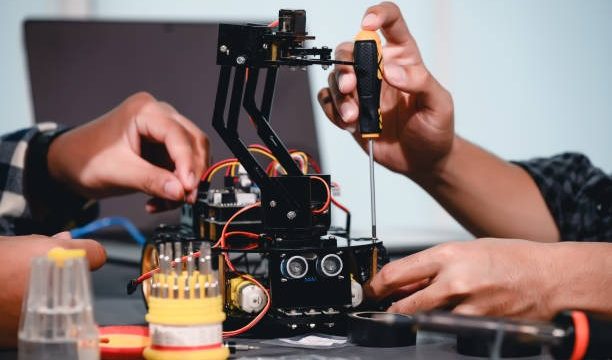
Visual aids can significantly enhance understanding and retention. Consider including diagrams, flowcharts, or photographs that illustrate key concepts or steps in the experiment. These visuals not only break up the text but also cater to different learning styles, making the material accessible to a broader audience.
When using visuals, ensure they are relevant and clearly labeled. A well-placed diagram can illuminate a complex idea, while an image of the setup can help students visualize what they need to achieve. This approach fosters a more interactive experience, allowing students to engage with the material on a deeper level.
A space for reflection
After each experiment, it’s beneficial to include a section for reflection. This could be as simple as a few guiding questions encouraging students to think critically about what they observed. Questions might include: What were the unexpected outcomes? How did the results compare to your hypothesis? This reflective practice not only deepens understanding but also encourages students to develop their analytical skills.
Additionally, consider including a section for students to record their own observations or results. Giving them a dedicated space to jot down their thoughts creates a personalized experience and reinforces the importance of documentation in scientific inquiry.
Embracing safety and ethics
Safety is paramount in any lab environment. It’s essential to incorporate safety guidelines and ethical considerations into the manual. Begin with a general safety overview, outlining the importance of following protocols and being aware of one’s surroundings.
For each experiment, include specific safety precautions related to the materials and procedures involved. This not only protects students but also instills a sense of responsibility and care in their approach to scientific exploration.
Ethics in science is another vital aspect to address. Encourage students to consider the implications of their experiments, fostering a mindset that values integrity and respect for living organisms and the environment.
Creating a supportive environment
A lab manual should also foster a sense of community and collaboration. Encouraging group work or peer discussions can enhance the learning experience, as students share insights and learn from one another. Include suggestions for group experiments or collaborative projects, allowing students to engage in teamwork and develop their interpersonal skills.
Furthermore, consider incorporating a section that highlights the importance of feedback. Encourage students to provide input on the manual itself, creating an opportunity for continuous improvement. This collaborative spirit not only enhances the manual but also empowers students, making them feel invested in their learning journey.
The joy of discovery
At its heart, a lab manual should inspire curiosity and a love for discovery. Infuse the content with anecdotes, quotes, or historical context related to the experiments. Sharing stories of famous scientists or groundbreaking discoveries can ignite enthusiasm and show students the real-world applications of what they are learning.
Encouraging creativity is also vital. Allow space for students to design their own experiments or modify existing ones. This not only reinforces their understanding but also nurtures innovative thinking, a key component of scientific exploration.
In conclusion, organizing experiments in a lab manual is a thoughtful endeavor that requires careful consideration of structure, clarity, and engagement. By focusing on these aspects, you can create a resource that not only serves as a guide but also inspires a passion for science. As students navigate through their experiments, they will not only learn about scientific principles but also develop critical thinking skills, creativity, and a sense of wonder that will stay with them long after they leave the lab.