Language is a beautiful tapestry, woven from the threads of culture, experience, and emotion.
For children, the journey of learning to communicate is not just an academic pursuit; it is a delightful adventure full of discovery.
Encouraging children through playful language activities can nurture their linguistic skills while making the process enjoyable and engaging.
The foundation of language development begins in the early years of life. Children are naturally curious, eager to explore the world around them. This curiosity can be harnessed through fun and interactive language play that stimulates their imagination and enhances their communication skills. By creating a playful environment, we can help children express themselves more freely and confidently.
One of the simplest yet most effective ways to encourage language play is through storytelling. Stories have an innate ability to captivate young minds. When you read to your child, you are not only introducing them to new words but also immersing them in the rhythm and melody of language. Choose books with vibrant illustrations and engaging narratives. As you read, pause to ask questions about the story or the characters. This interaction encourages children to think critically and express their thoughts verbally.
Incorporating storytelling into everyday life adds another layer of fun. Encourage your child to create their own stories. You might start with a familiar scene and ask them to imagine what happens next. This can spark their creativity and help them understand narrative structure. Whether they choose to tell their tales through words, drawings, or even performances, the act of storytelling reinforces their language skills in a playful manner.
Another enjoyable way to foster language development is through rhymes and songs. The playful nature of music and rhythm makes it easier for children to remember words and phrases. Simple nursery rhymes or catchy songs can introduce new vocabulary while enhancing their phonetic awareness. Singing together can also be a wonderful bonding experience, as it allows for laughter and joy. You might even create your own silly songs about everyday activities, turning mundane tasks into delightful moments of connection.
Imaginary play is yet another avenue for language exploration. Children often create elaborate scenarios in their playtime, whether they are pretending to be superheroes, chefs, or explorers. By joining in their imaginative world, you can encourage them to use descriptive language and express their thoughts. Ask open-ended questions to prompt deeper conversations about their play. For instance, if they are pretending to cook, you might ask what ingredients they are using or how they would serve their dish. This not only enhances their vocabulary but also encourages critical thinking.
Engaging in word games can also be a wonderful way to promote language skills. Simple games like “I Spy” or “20 Questions” can make learning feel like an exciting challenge. These games encourage children to think creatively and articulate their thoughts clearly. You can adapt the games to suit their age and interests, ensuring that the experience remains enjoyable. As they become more comfortable with language, they will gain confidence in expressing themselves.
Creating a language-rich environment at home can also make a significant difference. Surround your child with books, labels, and even conversations. Encourage them to ask questions and express their thoughts freely. Make it a habit to engage in discussions about their day, their favorite activities, or even their dreams. By fostering an open dialogue, you are helping them develop their language skills in a natural and supportive way.
As children grow, it’s essential to celebrate their progress. Acknowledge their efforts in using new words or expressing their thoughts. Positive reinforcement can boost their confidence and motivate them to continue exploring language. Whether it’s a simple “That was a great story!” or “I love how you described that!” your encouragement can go a long way in fostering a love for language.
It’s also important to recognize that every child develops at their own pace. Some may be more verbal than others, and that’s perfectly normal. The key is to provide a nurturing environment that encourages exploration without pressure. Celebrate the small victories, and remember that the journey of language development is as unique as each child.
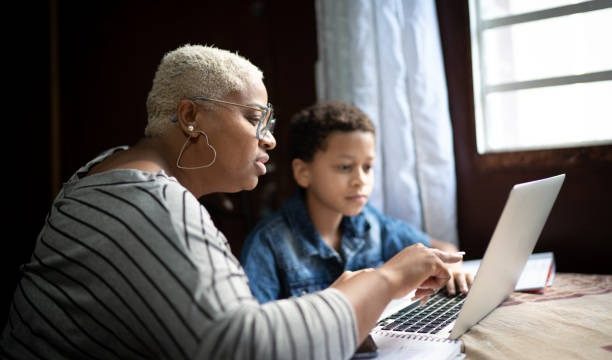
Incorporating technology can also provide additional opportunities for language play. There are numerous educational apps and programs designed to enhance language skills through interactive games and storytelling. These tools can be beneficial when used in moderation, as they can complement traditional methods of learning. However, it’s essential to balance screen time with hands-on activities that encourage face-to-face communication.
Ultimately, the goal is to create a space where children feel safe and excited to express themselves. Language play should be a joyful experience, one that fosters curiosity and creativity. By weaving fun into the fabric of language learning, we can inspire a lifelong love for communication.
As parents, caregivers, or educators, we have the opportunity to be guides on this delightful journey. By embracing storytelling, music, imaginative play, and open dialogue, we can encourage children to explore the wonders of language. In doing so, we help them build a strong foundation for their future, one filled with the richness of words and the joy of expression.
Encouraging children through fun language play is not just about developing their skills; it is about nurturing their love for connection and understanding. As they learn to express themselves, they also learn to connect with the world around them, enriching their experiences and fostering empathy. Let us celebrate the beauty of language together, one playful word at a time.