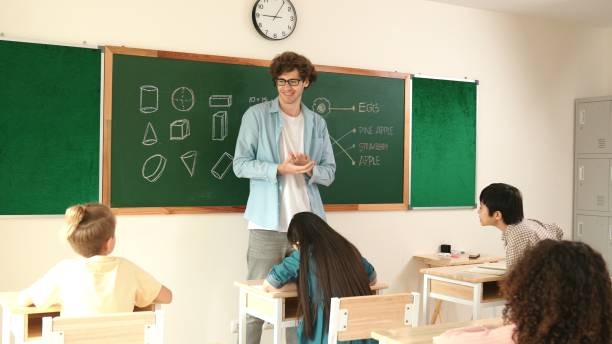
Creating Spaces Where Student Ideas Matter
In the vibrant world of education, the heartbeat of innovation often pulses through the ideas of students.
These young minds brim with creativity, passion, and unique perspectives.
Yet, all too frequently, their voices can be overshadowed by established structures and traditional methods. It’s essential for educators, parents, and communities to cultivate environments where student ideas not only matter but thrive. By fostering spaces that encourage expression and collaboration, we can unlock the potential of the next generation.
A gentle shift in perspective can make a world of difference. When we begin to see students not merely as recipients of knowledge but as active contributors, we open the door to a rich tapestry of ideas. Imagine classrooms where students feel empowered to share their thoughts, experiment with concepts, and engage in meaningful discussions. This approach doesn’t just enhance learning; it nurtures confidence and a sense of belonging.
Creating such an environment requires intentionality. It starts with listening. When students know their opinions are valued, they are more likely to share their insights freely. Teachers can create opportunities for dialogue by inviting students to express their thoughts on lessons, projects, or even classroom rules. This practice not only makes students feel heard but also enriches the educational experience for everyone involved.
Consider the physical space of a classroom. Is it arranged in a way that promotes interaction and collaboration? Flexible seating arrangements, such as clusters of desks or comfortable reading nooks, can encourage students to engage with one another. When students can choose where and how they work, they are more likely to invest in the process. It’s about creating an atmosphere that feels welcoming and conducive to open communication.
Encouraging creativity can also take shape through project-based learning. By allowing students to dive into topics that spark their interest, they become more invested in their education. Projects that require collaboration not only help students learn from one another but also teach vital skills such as teamwork and problem-solving. These experiences can ignite a passion for learning that extends beyond the classroom walls.
Fostering a culture of curiosity is equally important. Educators can inspire students to ask questions and explore ideas without fear of judgment. By celebrating inquiry and experimentation, we encourage a mindset that values learning as a lifelong journey. This can be as simple as dedicating time for students to explore topics of their choice or introducing “genius hour,” where they can work on personal projects that excite them.
Incorporating technology into the learning process can also provide a platform for student voices. Digital tools can facilitate collaboration, enabling students to share their ideas in innovative ways. For instance, using blogs, podcasts, or videos allows students to express themselves and connect with a broader audience. This not only fosters creativity but also helps them develop essential digital literacy skills.
Engaging with the community can further enhance the learning experience. When students see the relevance of their ideas in the real world, they become more motivated to share them. Schools can partner with local organizations, inviting students to work on projects that address community needs. This not only enriches their education but also instills a sense of responsibility and pride in contributing to something larger than themselves.
Another vital aspect of creating spaces where student ideas matter is mentorship. Connecting students with mentors who can guide and support them in their pursuits fosters growth and confidence. Mentors can provide valuable feedback, share experiences, and encourage students to take risks. This relationship can be transformative, as it often inspires students to push boundaries and explore new avenues.
A small shift toward balance can also lead to meaningful change. While it’s essential to encourage creativity and self-expression, it’s equally important to provide structure and guidance. Finding the right balance between freedom and accountability helps students navigate their ideas effectively. Educators can establish clear expectations while allowing room for exploration, creating a safe space for students to innovate.
In this journey, it’s crucial to celebrate successes, no matter how small. Acknowledging student contributions reinforces the idea that their voices matter. Whether it’s through a simple “well done” or showcasing their work in a school-wide exhibition, recognition can motivate students to continue sharing their ideas. It cultivates a sense of pride and belonging, reinforcing their role as active participants in their education.
As we strive to create spaces where student ideas flourish, it’s essential to remember that every student is unique. Their backgrounds, interests, and experiences shape their perspectives, and honoring this diversity enriches the learning environment. By embracing varied viewpoints, we create a tapestry of ideas that can inspire innovation and creativity.
Ultimately, the goal is to empower students to become confident thinkers and doers. When they feel that their ideas are valued, they are more likely to take ownership of their learning and pursue their passions. This empowerment extends beyond the classroom, equipping them with the skills and confidence to navigate the world.
Creating spaces where student ideas matter is not just an educational endeavor; it’s a commitment to nurturing the next generation of thinkers, creators, and leaders. By prioritizing student voices, we foster an environment that celebrates curiosity, creativity, and collaboration. As we work together to cultivate these spaces, we not only enrich the educational experience but also inspire students to dream big and make their mark on the world.