In the journey of education, each student embarks on a unique path.
Just as no two individuals are alike, their ways of learning can vary significantly.
Understanding one’s learning style is not just a helpful tool; it can be a transformative experience that enriches the educational journey and enhances academic success. As educators, parents, and mentors, supporting students in discovering their learning preferences is a beautiful way to foster their growth.
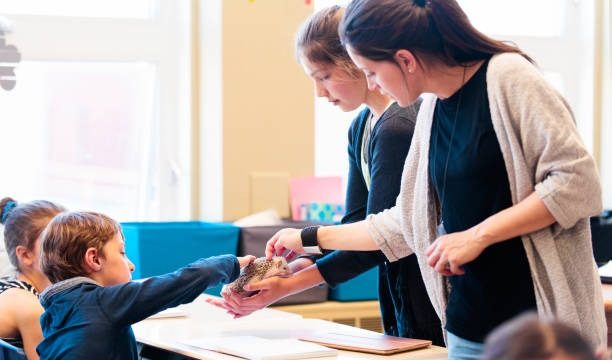
The essence of learning styles lies in the understanding that we absorb information differently. Some students thrive in auditory environments where they can engage through listening, while others find their rhythm in visual learning, absorbing details through images, diagrams, and written words. Kinesthetic learners, on the other hand, often excel when they can engage their bodies in the learning process, manipulating objects or participating in hands-on activities. Recognizing these differences is the first step toward helping students unlock their potential.
A small shift toward balance can make a world of difference. When students are encouraged to explore their preferred learning styles, they often feel more engaged and motivated. This journey begins with open conversations. Asking students about their experiences can provide valuable insights. Questions like, “What subjects do you enjoy the most?” or “How do you prefer to study?” can open doors to understanding their preferences. This dialogue not only validates their feelings but also empowers them to take an active role in their learning.
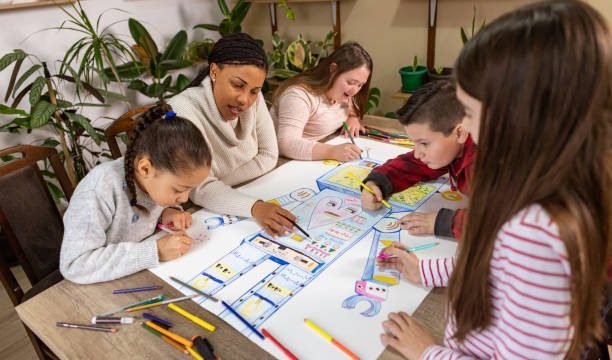
Creating an environment that supports diverse learning styles is essential. In a classroom setting, this might mean incorporating a variety of teaching methods. For instance, a lesson could blend visual aids, discussions, and hands-on activities. Such an approach allows students to engage with the material in ways that resonate with them. Outside of the classroom, parents can encourage exploration by providing resources that cater to different learning styles. This could be as simple as offering audiobooks for auditory learners or art supplies for those who thrive visually.
The beauty of learning styles is that they are not set in stone. Students evolve, and their preferences may shift as they grow and experience new subjects and challenges. Encouraging a mindset of exploration and flexibility is vital. This means celebrating the journey of discovery rather than focusing solely on results. When students understand that it’s okay to try different methods and adapt, they can develop resilience and a lifelong love for learning.
Another gentle aspect to consider is the role of technology in supporting diverse learning styles. With the abundance of educational resources available online, students can access materials that align with their preferences. For instance, interactive apps can engage kinesthetic learners, while podcasts can be a treasure trove for auditory students. Embracing these tools can enhance their learning experience and make education feel more personalized.
In addition to technology, fostering a supportive community around students can significantly impact their learning journey. Encouraging peer collaboration can help them see different perspectives and approaches. Group projects, study sessions, or even informal gatherings can create a sense of camaraderie and shared learning. When students feel supported by their peers, they are more likely to explore and embrace their unique styles.
The journey of discovering one’s learning style is not solely about academic success; it also contributes to personal growth and self-awareness. As students learn to identify how they best absorb information, they build confidence in their abilities. This newfound self-awareness can extend beyond the classroom, influencing how they approach challenges in their lives. When students understand their learning preferences, they become more equipped to advocate for themselves, whether in academic settings or future workplaces.
It’s also essential to recognize that families play a vital role in this journey. Parents can nurture their children’s learning styles by engaging in activities that align with their preferences. For instance, if a child enjoys reading, creating a cozy reading nook can encourage them to dive into books. If they thrive in interactive environments, planning educational outings or science experiments at home can spark their curiosity. These small, intentional acts can foster a love of learning that lasts a lifetime.
As students navigate the complexities of education, it’s important to remind them that learning is a personal journey. Everyone has their own pace, and that’s perfectly okay. Encouraging them to be patient with themselves as they explore different methods can alleviate the pressure to conform to a specific standard. This mindset not only cultivates resilience but also helps students embrace their individuality.
In conclusion, helping students discover their learning style is a wonderful gift that can shape their educational experience and personal growth. By fostering open conversations, creating supportive environments, and embracing diverse resources, we can guide them on this journey of self-discovery. As we encourage them to explore and celebrate their unique ways of learning, we are not only enhancing their academic success but also nurturing confident, curious individuals ready to take on the world. In this way, the process of learning becomes a delightful adventure, filled with possibilities and growth.