In the ever-evolving landscape of education, capturing students’ interest can feel like a delicate dance.
Teachers often find themselves seeking new and engaging ways to connect with their students, fostering a love for learning that transcends the classroom walls.
The good news is that with a little creativity and a genuine understanding of student needs, it’s possible to cultivate an environment where curiosity flourishes. Let’s explore some classroom activities that can spark interest and encourage a deeper engagement with the material.
A gentle introduction to storytelling
One of the most powerful tools for engaging students is the art of storytelling. This age-old practice can transform a simple lesson into an unforgettable experience. By weaving narratives around historical events, scientific concepts, or literary themes, teachers can create an emotional connection that resonates with students. Imagine discussing the American Revolution not just through dates and facts, but through the eyes of a young patriot or a loyalist. This approach invites students to empathize and think critically about the motivations and consequences of actions taken in the past.
Incorporating storytelling can also extend to student participation. Encouraging them to share their own stories related to the lesson can create a rich tapestry of perspectives, making the classroom feel more inclusive and connected. This practice not only enhances comprehension but also builds confidence as students learn to express their thoughts and experiences.
A small shift toward hands-on learning
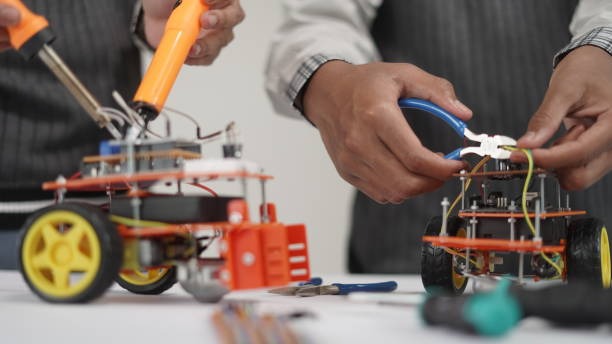
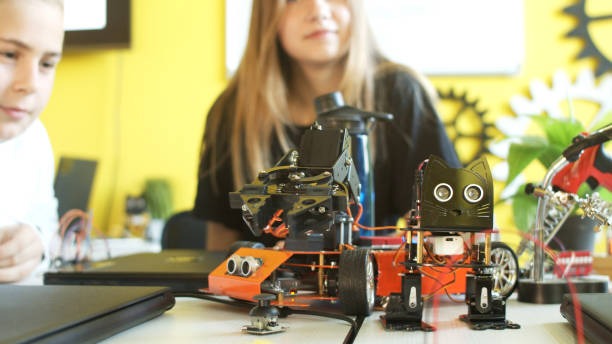
Hands-on activities are another effective way to engage students. When learners can physically interact with the material, they often experience a more profound understanding. For instance, in a science class, students might create simple experiments to explore concepts like gravity or chemical reactions. This tactile approach allows them to witness theories in action, making the learning experience both memorable and enjoyable.
Art projects can also serve as a bridge between creativity and academic subjects. A history lesson on ancient civilizations, for example, could involve students creating their own artifacts or artwork inspired by the era. Engaging in these creative processes not only solidifies their knowledge but also allows for personal expression, making the subject matter feel relevant and exciting.
Cultivating curiosity through inquiry-based learning
Inquiry-based learning is a method that places students at the center of their educational journey. By encouraging them to ask questions and seek answers, teachers can ignite a natural curiosity that drives deeper exploration. This approach can be applied across various subjects, from science to literature.
For instance, rather than simply providing students with the outcomes of a famous experiment, educators can challenge them to hypothesize what might happen if certain variables were altered. This method invites them to think critically and creatively, promoting a sense of ownership over their learning process. By fostering an environment where questions are welcomed and explored, students are more likely to engage with the material on a personal level.
Creating a collaborative atmosphere
Collaboration is a cornerstone of effective learning. Group activities not only encourage teamwork but also expose students to diverse perspectives. When students work together on a project, they learn to communicate, compromise, and build upon each other’s ideas. This interaction can lead to a richer understanding of the subject matter.
Consider organizing a debate on a contemporary issue related to the curriculum. This format not only engages students but also equips them with critical thinking and public speaking skills. It allows them to explore different viewpoints and develop their own opinions, deepening their connection to the topic. Such collaborative experiences can foster a sense of community within the classroom, making learning a shared adventure.
Embracing technology for engagement
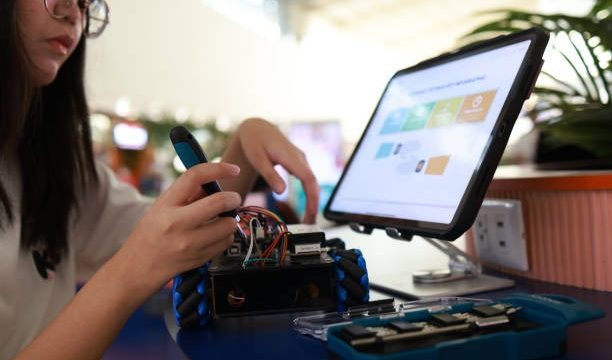
In today’s digital age, incorporating technology into the classroom can significantly enhance student interest. Interactive tools and platforms can bring lessons to life in ways traditional methods may not. For example, virtual field trips can transport students to historical sites or natural wonders, broadening their horizons without leaving the classroom.
Additionally, gamification of lessons—turning learning objectives into games—can make the experience more enjoyable. Students can engage in friendly competition, earning points or rewards for completing tasks. This approach can transform mundane subjects into exciting challenges, motivating students to participate actively.
Encouraging reflection and self-expression
Reflection is a vital part of the learning process. Providing students with opportunities to express their thoughts and feelings about what they’ve learned can deepen their understanding and retention of the material. Journaling, for instance, can be a powerful tool for students to articulate their insights and personal connections to the subject matter.
Incorporating creative expression through art or performance can also allow students to process their learning in unique ways. Whether it’s through writing poetry, creating visual art, or even performing a scene from a play, these activities help solidify their understanding while giving them a voice.
Fostering a growth mindset
Finally, nurturing a growth mindset within the classroom can have a profound impact on student engagement. When students believe that their abilities can improve with effort and practice, they are more likely to take risks and embrace challenges. Encouraging them to view mistakes as learning opportunities rather than setbacks can create a more resilient and motivated learner.
Teachers can model this mindset by sharing their own learning experiences, highlighting the importance of perseverance. Celebrating progress, no matter how small, can help students feel valued and motivated to continue their educational journey.
In conclusion, cultivating student interest in the classroom is an ongoing process that requires creativity, empathy, and a willingness to adapt. By embracing storytelling, hands-on learning, inquiry-based approaches, collaboration, technology, reflection, and a growth mindset, educators can create an engaging environment where curiosity thrives. The goal is to inspire students not only to learn but to love learning, setting the stage for a lifetime of exploration and discovery.