In the heart of every classroom lies a treasure trove of potential—a place where ideas flourish and connections are formed.
However, the pathway to unlocking this potential often hinges on one crucial element: empowerment.
When students feel empowered, the classroom transforms into a vibrant space for dialogue, where voices are heard, and conversations spark creativity and understanding.
Empowerment, in its simplest form, refers to giving individuals the confidence and authority to express themselves. In an educational setting, this means creating an environment where students feel safe and valued, enabling them to share their thoughts and opinions freely. When students are empowered, they are more likely to engage in meaningful discussions, fostering a culture of dialogue that benefits everyone involved.
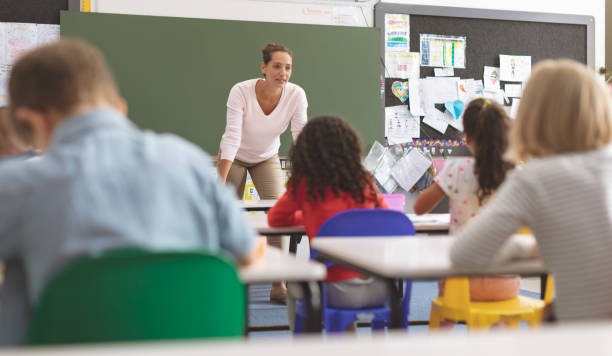
Creating this empowering atmosphere begins with a shift in perspective. Educators play a pivotal role in shaping how students perceive their own voices. When teachers actively listen and validate student opinions, they lay the groundwork for open communication. This approach encourages students to participate in discussions without the fear of judgment. Imagine a classroom where every student feels comfortable sharing their ideas, knowing that their contributions are respected. This foundational trust is essential in cultivating a rich dialogue.
A small shift toward balance can also make a significant difference. Often, classrooms lean heavily on teacher-led discussions, where the educator is the primary source of knowledge and direction. While this method has its merits, it can inadvertently stifle student voices. By inviting students to take the lead in discussions, educators can create a more balanced dynamic. This could involve allowing students to pose questions or share their interpretations of a text. When students have the opportunity to guide conversations, they develop a sense of ownership over their learning, which naturally enhances their engagement.
Furthermore, fostering an environment of empowerment means encouraging diverse perspectives. Every student brings a unique background and set of experiences to the classroom, and these differences can enrich discussions. By promoting inclusivity and celebrating diversity, educators create a tapestry of ideas that encourages dialogue. Activities that highlight various cultural viewpoints or encourage collaboration among students from different backgrounds can facilitate this process. When students see their own identities reflected in classroom discussions, they are more likely to contribute, knowing their viewpoints are valued.
The role of emotional intelligence cannot be overlooked in this empowering journey. Educators who model emotional awareness and empathy create a safe space for students. When teachers demonstrate understanding and compassion, it encourages students to express their emotions and thoughts more openly. This emotional connection can lead to deeper conversations, as students feel more comfortable sharing their authentic selves. By integrating social-emotional learning into the curriculum, educators can teach students how to navigate their feelings and engage in discussions with respect and sensitivity.
Encouraging classroom dialogue also means embracing mistakes as part of the learning process. In an empowered classroom, students understand that making errors is a natural part of growth. This mindset allows them to engage in discussions without the fear of being wrong. When mistakes are viewed as opportunities for learning rather than failures, students feel more inclined to participate and share their thoughts. This shift fosters a culture where curiosity thrives, and dialogue becomes a tool for exploration rather than a pressure-filled exercise.
As conversations unfold, it’s essential to guide students toward active listening. Empowerment flourishes when students learn to listen to one another with intention. By teaching active listening skills, educators help students appreciate differing viewpoints and respond thoughtfully. This practice not only enriches classroom discussions but also nurtures respect and understanding among peers. When students are encouraged to listen as much as they speak, the dialogue becomes more meaningful and collaborative.
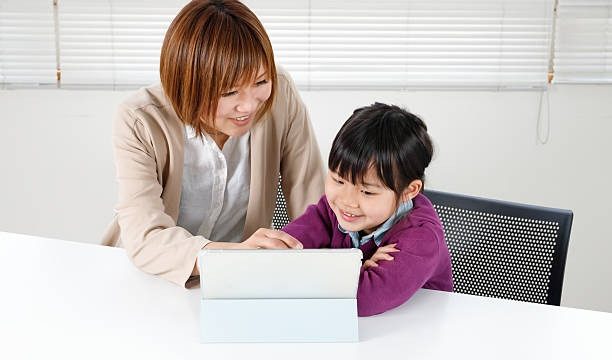
Incorporating technology can also enhance empowerment in the classroom. Digital tools provide students with various platforms to express their thoughts and engage in discussions. Whether through online forums, collaborative documents, or interactive presentations, technology can amplify student voices. This modern approach allows for creativity in expression and can engage those who might be hesitant to speak up in a traditional setting. By integrating technology into the dialogue, educators can bridge gaps and create more inclusive opportunities for participation.
Ultimately, the journey toward empowerment in the classroom is ongoing. It requires a commitment from educators to create an environment where every student feels valued and heard. As educators reflect on their practices and strive to foster an empowering atmosphere, they open the door to deeper connections and richer conversations. The result is a classroom where dialogue flourishes, ideas blossom, and students feel a sense of belonging.
In a world that often feels divided, the power of empowered dialogue in the classroom can extend beyond its walls. Students who learn to engage in respectful conversations are better equipped to navigate the complexities of life outside of school. They carry with them the skills of empathy, active listening, and open-mindedness, which are invaluable in fostering understanding in a diverse society.
Empowerment encourages classroom dialogue, creating a space where every voice matters. As students learn to express themselves and engage in meaningful conversations, they develop confidence that will serve them well throughout their lives. In this nurturing environment, educators have the opportunity to guide students not only in their academic pursuits but also in becoming compassionate, thoughtful individuals ready to contribute to the world around them.
As we continue to explore the power of empowerment in education, let us remember that the heart of learning lies in connection. By fostering dialogue, we not only enrich the classroom experience but also prepare students to thrive in an ever-evolving world. The journey may be gradual, but with each empowered voice, we take a step toward a more inclusive and understanding future.