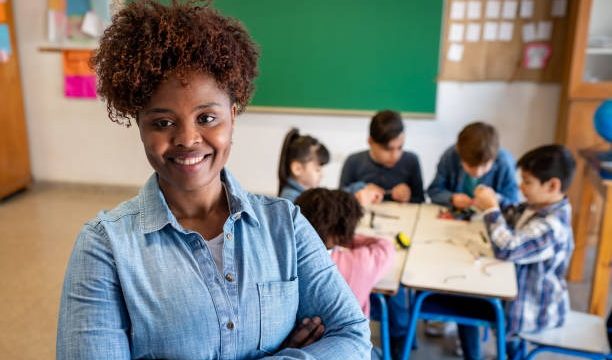
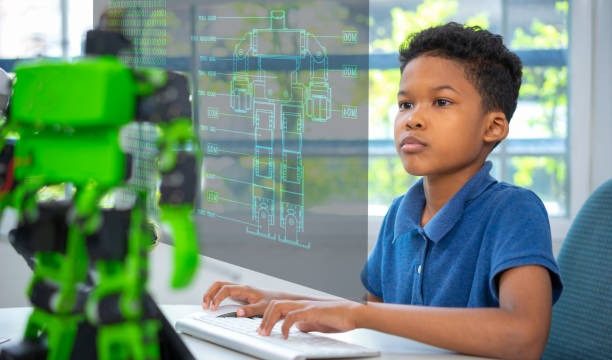
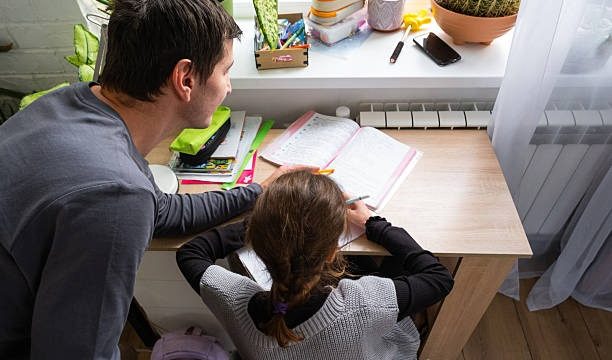
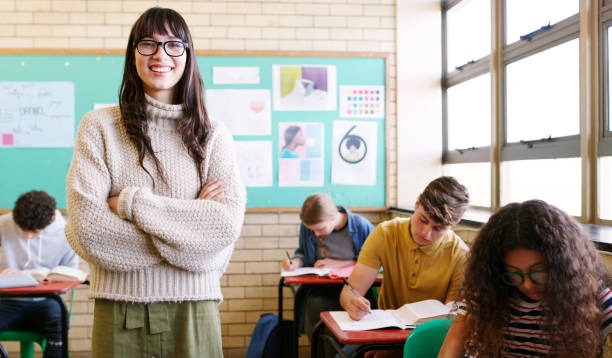
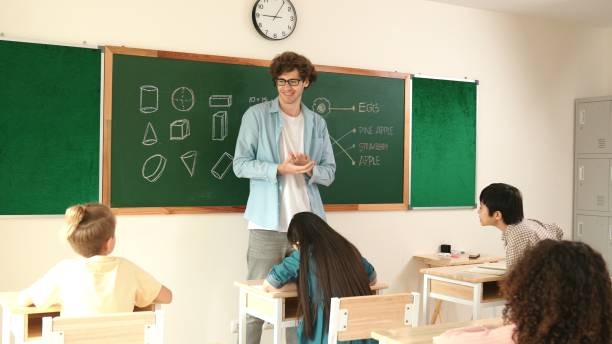
In the world of education, the classroom is more than just a physical space; it’s a vibrant ecosystem where connections are formed, ideas flourish, and growth happens.
Yet, creating an environment where students feel genuinely connected can sometimes be a challenge.
One effective approach to enhance these connections is through empowerment. By fostering a sense of agency and ownership among students, educators can cultivate a classroom atmosphere that is not only engaging but also deeply connected.
Empowerment in the classroom begins with recognizing each student as a unique individual with their own strengths, interests, and needs. This acknowledgment lays the groundwork for a more inclusive and supportive learning environment. When students feel seen and valued, they are more likely to engage actively in their learning journey. This connection is vital, as it encourages them to take risks, express their thoughts, and participate in discussions, ultimately leading to a richer educational experience.
A gentle shift toward trust can be transformative. Building trust between teachers and students is essential for empowerment to thrive. When students trust their teachers, they feel safe to share their ideas and experiences. This atmosphere of safety allows for open communication, where students can ask questions without fear of judgment. By listening actively and responding with empathy, educators can strengthen these bonds, fostering a sense of belonging that is crucial for effective learning.
Creating opportunities for choice is another meaningful way to empower students. When students have a say in their learning process, they are more likely to feel invested in their education. This can be as simple as allowing them to choose between different project topics or offering options for how they demonstrate their understanding of a concept. Such choices not only give students a sense of control but also encourage them to take ownership of their learning. When they feel in charge, they are more likely to engage deeply and connect with the material.
Encouraging collaboration among students can also enhance classroom connections. Group work or cooperative learning activities allow students to interact with their peers, share ideas, and learn from one another. In these collaborative settings, empowerment flourishes as students take on various roles and responsibilities. They learn to appreciate different perspectives, which fosters a sense of community within the classroom. When students work together, they build relationships that extend beyond academic tasks, creating a supportive network that enriches their educational experience.
Another avenue for empowerment is through self-reflection. Encouraging students to reflect on their learning experiences helps them develop a deeper understanding of their strengths and areas for growth. This practice not only empowers them to take charge of their educational journey but also promotes a growth mindset. When students recognize that their abilities can develop over time, they become more resilient and open to challenges. This self-awareness fosters a connection to their learning that is both personal and profound.
Integrating student voice into the classroom is vital for empowerment. Providing platforms for students to express their thoughts and opinions can lead to meaningful discussions and a sense of agency. Whether through class meetings, suggestion boxes, or open forums, allowing students to contribute their ideas fosters a culture of respect and collaboration. When students feel their voices matter, they are more likely to engage actively in the classroom and connect with their peers and teachers on a deeper level.
As educators, it’s essential to model empowerment in our own practices. Demonstrating vulnerability and openness can inspire students to do the same. When teachers share their learning journeys, challenges, and successes, it humanizes the educational experience. This transparency creates a connection that encourages students to embrace their own journeys, knowing that they are not alone in their struggles or triumphs. By cultivating an environment where everyone, including teachers, learns and grows together, the classroom becomes a shared space of empowerment.
Fostering a culture of celebration is another important aspect of empowerment. Recognizing and celebrating achievements, both big and small, can significantly enhance classroom connections. When students see their efforts acknowledged, it reinforces their sense of belonging and motivates them to strive for excellence. Celebrations can take many forms, from verbal praise to showcasing student work. These moments of recognition not only create positive associations with learning but also strengthen the bonds between students and teachers.
Incorporating mindfulness practices into the classroom can also support empowerment and connection. Mindfulness encourages students to be present and aware, helping them to manage stress and develop emotional intelligence. By integrating activities such as mindful breathing or quiet reflection, students can cultivate a sense of calm and focus. This practice can enhance their ability to connect with themselves and their peers, fostering a deeper sense of community and understanding within the classroom.
Ultimately, using empowerment to strengthen classroom connections is about creating a nurturing environment where students feel valued, respected, and capable. By fostering trust, encouraging choice, promoting collaboration, and celebrating achievements, educators can cultivate a dynamic classroom culture that supports both academic and personal growth. When students feel empowered, they are more likely to engage wholeheartedly in their learning, building connections that extend beyond the classroom and into their lives.
As we navigate the ever-evolving landscape of education, let us remember that the heart of teaching lies in connection. By embracing empowerment, we can create classrooms that are not only places of learning but also sanctuaries of growth, understanding, and unity. In this space, every student has the opportunity to thrive, fostering a community that uplifts and inspires. Together, let us continue to empower our students and strengthen the bonds that make our classrooms truly special.