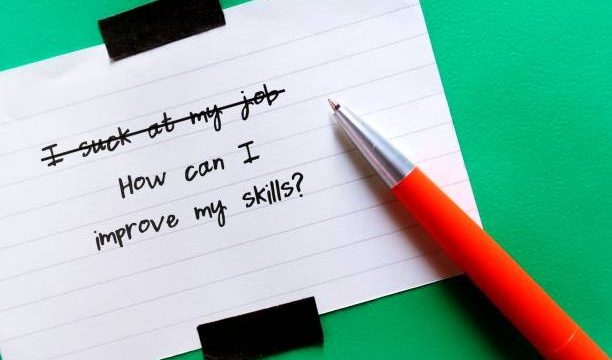
In a world where challenges are a part of daily life, nurturing effective problem-solving skills is more important than ever.
One often-overlooked tool in this journey is math programs.
While many might view mathematics as a rigid discipline focused solely on numbers and formulas, it actually serves as a powerful vehicle for fostering creative thinking and resilient problem-solving patterns.
The journey into the world of math can be surprisingly enriching, offering more than just academic knowledge. It becomes a pathway for individuals to develop a mindset that thrives on challenges and embraces the beauty of finding solutions. As we explore how math programs encourage better problem-solving patterns, we can uncover the subtle yet profound ways they shape our approach to life’s puzzles.
Engaging with math encourages a unique way of thinking. When students tackle complex problems, they learn to break them down into smaller, more manageable parts. This process, often referred to as decomposition, allows individuals to analyze a problem from various angles, fostering a deeper understanding. By learning to dissect challenges, they cultivate a sense of clarity and confidence, traits that are invaluable beyond the classroom.
Moreover, math programs often incorporate real-world scenarios that make learning relatable. When students see how mathematical concepts apply to everyday situations—like budgeting for a trip or calculating ingredients for a recipe—they begin to appreciate the relevance of what they are learning. This connection to real life not only enhances engagement but also reinforces the idea that problem-solving is a skill we can use in our daily lives.
A gentle shift toward collaboration is another hallmark of effective math programs. Group activities and collaborative problem-solving exercises invite students to share their thoughts and strategies with one another. In these settings, learners can witness diverse approaches to the same problem, broadening their perspectives and encouraging them to think outside the box. This exchange of ideas nurtures an environment where creativity flourishes and innovative solutions emerge.
As students engage in collaborative learning, they also develop essential social skills. They learn to communicate their ideas clearly, listen to others, and navigate differing opinions. These interactions teach them the importance of teamwork and the value of multiple viewpoints—key components of effective problem-solving in any context.
Building resilience is another critical aspect of math education. Math problems can be challenging, and the process of working through them often involves trial and error. Students learn that making mistakes is not a failure but rather a stepping stone toward understanding. This mindset is crucial; it encourages them to persist in the face of difficulties, fostering a sense of determination that extends far beyond math class.
In addition, the structured nature of math programs provides a sense of security. Students are guided through a progression of concepts, which helps them build a solid foundation. This structure allows learners to approach problems with a systematic mindset, equipping them with tools to tackle complex issues. As they become more comfortable with this approach, they develop a sense of agency in their problem-solving abilities.
A focus on critical thinking is also woven into the fabric of effective math programs. As students work through problems, they are encouraged to reason logically and evaluate their solutions. This practice sharpens their analytical skills and fosters a mindset that values inquiry and exploration. By learning to ask the right questions, they become adept at uncovering underlying issues and identifying effective solutions.
The beauty of math lies in its universality. The principles of mathematics transcend cultural and linguistic barriers, making it a global language. Engaging in math programs can foster a sense of connection among individuals from diverse backgrounds. This shared experience can promote empathy and understanding, enriching the educational journey by highlighting the commonalities that bind us together.
As learners progress through math programs, they often find themselves developing a newfound appreciation for the subject. What may have once seemed daunting transforms into a source of inspiration. This positive shift in attitude is crucial; when students view themselves as capable problem solvers, they are more likely to embrace challenges in all areas of their lives.
Incorporating technology into math education can further enhance problem-solving skills. Many modern programs utilize interactive tools and resources that make learning engaging and dynamic. These technological aids not only provide immediate feedback but also allow students to explore concepts at their own pace. The interactive nature of these tools encourages experimentation and exploration, reinforcing the idea that problem-solving is a journey rather than a destination.
As we consider the impact of math programs on problem-solving patterns, it’s essential to recognize that the benefits extend beyond academic achievement. The skills developed through engaging with mathematics—critical thinking, resilience, collaboration, and creativity—are invaluable in navigating the complexities of life.
Ultimately, the goal of math education is not solely to produce skilled mathematicians but to cultivate well-rounded individuals equipped to face life’s challenges with confidence and creativity. By embracing the lessons offered through math programs, learners can develop a toolkit of problem-solving strategies that will serve them well in all aspects of their lives.
In conclusion, the journey through math education is more than just a series of equations and formulas; it is a path toward fostering essential life skills. As students navigate the world of mathematics, they cultivate a mindset that embraces challenges, values collaboration, and celebrates creativity. These qualities are the foundation of effective problem-solving, allowing individuals to approach life’s puzzles with grace and resilience. So next time you encounter a math problem, remember that it’s not just about finding the right answer—it’s about discovering the beauty of the process and the growth it inspires.