Supporting Early Problem-Solving Skills Through Enrichment
In a world that often feels fast-paced and ever-changing, the ability to think critically and solve problems is more valuable than ever, especially for our youngest learners.
Early childhood is a crucial time for developing these skills, laying the groundwork for future success in school and life.
Enrichment activities can play a significant role in fostering problem-solving abilities in children, creating a vibrant learning environment that encourages curiosity and creativity.
When we think of enrichment, we might imagine structured programs or formal classes. However, enrichment can take many forms, often woven seamlessly into the fabric of daily life. It’s about creating opportunities for children to explore, ask questions, and find solutions on their own. By integrating enriching experiences into everyday moments, parents and caregivers can nurture a child’s innate ability to think critically and approach challenges with confidence.
One of the simplest and most effective ways to support early problem-solving skills is through play. Play is not just a way for children to pass the time; it is a fundamental component of learning. Engaging in imaginative play allows children to experiment with different scenarios, think creatively, and develop solutions to various challenges that arise in their play. For instance, when a child builds a tower with blocks, they encounter questions of balance and stability. As they adjust their design, they learn to assess outcomes and modify their approach—an essential aspect of problem-solving.
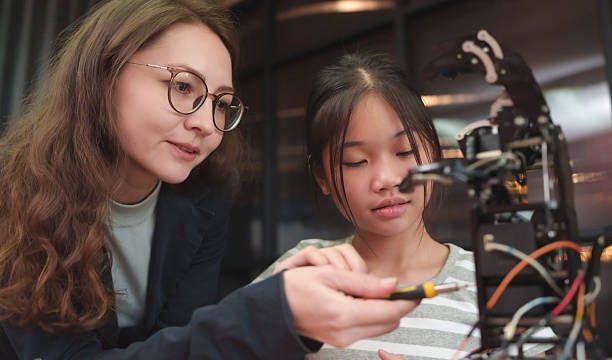
In addition to free play, guided play can also be beneficial. This involves adults joining in the playtime, posing open-ended questions, and encouraging children to think critically about their actions. Instead of simply providing answers, asking questions like, “What do you think will happen if we add one more block?” can stimulate a child’s thinking process. This collaborative approach fosters a dialogue that not only enhances problem-solving skills but also strengthens the bond between the adult and child.
Exploring the great outdoors offers another enriching avenue for developing problem-solving abilities. Nature is full of challenges and mysteries waiting to be discovered. Whether it’s figuring out how to build a fort from sticks or identifying different plants and animals, outdoor exploration encourages children to observe, hypothesize, and experiment. Nature walks can become treasure hunts, where children learn to navigate their surroundings while engaging their critical thinking skills. The unpredictable nature of the outdoors means that children must adapt and think on their feet, reinforcing their ability to solve problems in real-time.
Incorporating arts and crafts into daily routines can also be a delightful way to encourage creativity and problem-solving. When children engage in artistic activities, they often face decisions about colors, shapes, and materials. For instance, if a child is trying to create a specific shape but finds their materials are limited, they must think creatively to find alternative solutions. This process of trial and error is vital in developing resilience and a growth mindset, as children learn that mistakes can lead to new and exciting outcomes.
Storytelling is another powerful tool for enhancing problem-solving skills. Reading stories together or encouraging children to create their own narratives allows them to explore different perspectives and outcomes. As they follow characters through various challenges, children learn to empathize and consider multiple solutions to problems. This practice can be further enriched by discussing the story afterward, asking open-ended questions about what the characters could have done differently or how they might resolve their conflicts.
Technology, when used mindfully, can also support early problem-solving skills. Interactive educational apps and games can provide children with engaging challenges that require critical thinking and strategy. However, it is essential to strike a balance and ensure that screen time is complemented by hands-on activities and real-world experiences. Technology should enhance, not replace, the rich opportunities for problem-solving found in everyday life.
As children engage in these enriching activities, it is important to create an environment that fosters a sense of curiosity and encourages exploration. This means allowing children the freedom to investigate, make mistakes, and learn from them without fear of judgment. A supportive atmosphere where questions are welcomed and creativity is celebrated can significantly enhance a child’s willingness to tackle challenges head-on.
Moreover, it’s essential to recognize that every child is unique, and their journey in developing problem-solving skills will look different. Some may thrive in collaborative environments, while others may prefer solitary exploration. By observing and tuning into a child’s interests and preferences, caregivers can tailor enrichment activities to suit their individual needs, making the learning experience more effective and enjoyable.
Ultimately, the goal is to instill a sense of confidence and autonomy in children as they navigate their world. By providing enriching experiences that promote problem-solving skills, we empower them to face challenges with resilience and creativity. As they learn to tackle obstacles, they also develop a lifelong love of learning, curiosity, and the understanding that every problem has a solution waiting to be discovered.
In this journey of nurturing young minds, it is the small moments of exploration, creativity, and play that often have the most profound impact. By embracing the richness of everyday experiences and creating opportunities for children to engage in meaningful problem-solving, we can support their growth in ways that are both profound and lasting. Through these efforts, we pave the way for a brighter future, one in which our children are equipped not only with the skills to solve problems but also with the confidence to embrace the challenges that life presents.